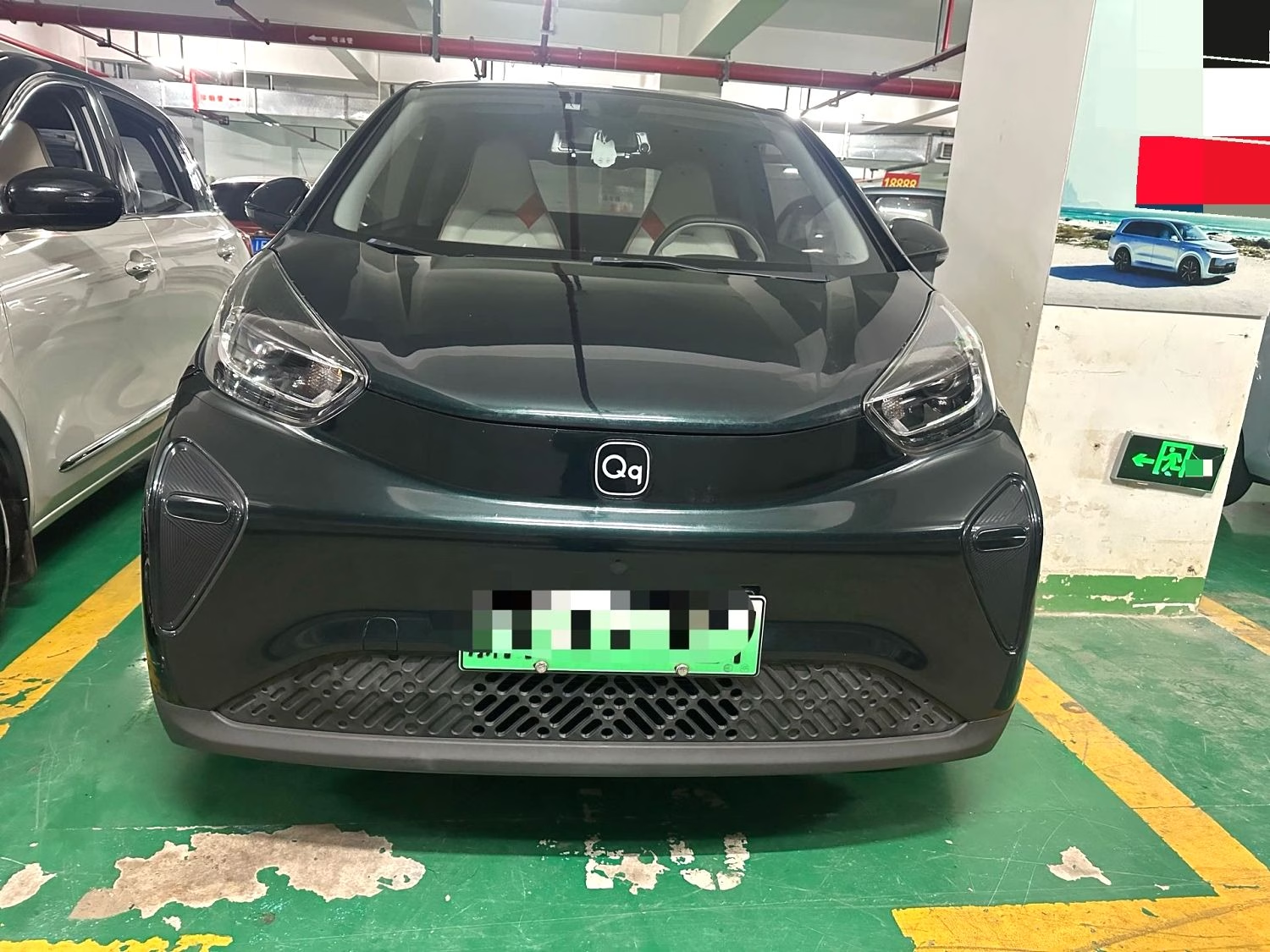
2024 Chery eQ1 (Little Ant) 321 km Zhong’ai Edition – 13,000 km, Jinhua, FOB Ningbo
Basic Parameters
- Stock No. CHERY-EQ1-2024-321-001
- Year 2024
- Mileage (km) 13000 km
- Transmission Automatic
- Fuel Type Electric
- Engine (L / kWh) Electric motor
- Power (HP) 49 HP
- Drivetrain FWD
- Exterior Color Dark Green
- Interior Color Grey
- Seats 4
- Doors 3
- Origin (China port) Jinhua, Zhejiang
- Available Shipping To Ningbo
Description
The short answer: this 2024 Chery eQ1 Little Ant in Zhong’ai trim is listed at USD 9,000 FOB Ningbo. It is the 321 km CLTC version with a 29.23 kWh battery and a 36 kW motor, first registered in 2023, with 13,000 km on the clock and a Zhejiang plate. A dark green four-seat city EV with three doors, air conditioning, a reversing camera and a factory 8-inch screen.
Searching for a used Chery eQ1 for sale usually means one of two things: you want a cheap city car for a dense market, or you want a fleet of them. This listing is written for both, with the caveats spelled out below — including the ones sellers normally skip.
What exactly is the Chery eQ1 Little Ant?
The eQ1, sold in China as 小蚂蚁 (Little Ant), is Chery’s smallest electric car. It is a three-door, four-seat hatchback with an aluminium space-frame body, roughly 3.2 m long and 1.67 m wide, which is why it parks in gaps that a Corolla cannot use. Chery has built it since 2017 and refreshed it repeatedly; the 2024 model year brought a new front face, the QQ-badge grille you can see in the photos, and a revised interior.
This particular car is the 321 km variant, which uses a 29.23 kWh lithium-ion pack (NCM chemistry, not LFP). The smaller 251 km version uses a 25.05 kWh pack and is the one you will see advertised cheapest on Chinese classifieds. Battery size is the single biggest price driver on these cars, so check it before comparing quotes.
What does “Zhong’ai” trim (钟爱版) include?
Zhong’ai sits mid-range in the eQ1 line: above the entry Air/Duo editions, below the fully loaded King edition. In practice it means the car comes with the equipment buyers actually use day to day.
- Manual air conditioning with a cabin filter
- 10-inch central touchscreen with reversing camera and rear parking sensors
- Digital instrument cluster instead of analogue dials
- Remote app control for charging status and pre-cooling
- Two front airbags, ABS with EBD, tyre pressure monitoring
- Halogen projector headlamps with LED daytime running lights
- Four-speaker audio, USB and Bluetooth
A 2024 facelift Zhong’ai car with 13,000 km should have all of the above working. Anything missing is a bargaining point, not a deal-breaker.
How fast is a 36 kW car, really?
36 kW is about 49 HP, so be realistic. Top speed is limited to roughly 100 km/h and 0–50 km/h takes around six seconds. That is fine in city traffic up to about 60 km/h and noticeably breathless above 90 km/h. It is not a highway car in the European or Gulf sense: sustained cruising near its top speed will drain the pack fast.
Where it does well is the job it was built for: 20–60 km a day, stop-start, narrow streets, cheap charging. Owners in Chinese tier-2 cities report real-world consumption of 10–12 kWh per 100 km, which on a 29.23 kWh pack works out to roughly 240–290 km of mixed driving. Expect nearer 210–230 km in winter with the heater on, and around 260 km in summer with air conditioning.
Charging: what you need to know before you buy
The eQ1 has both AC and DC charging on this battery size. On a Chinese GB/T DC fast charger it takes about 30 minutes to go from 30% to 80%, and roughly 8–9 hours on a 3.3 kW AC wall box from empty. Chinese cars use GB/T connectors, not Type 2 or CCS, so destination-market charging needs either an adapter (AC only, and only for 220–240 V single-phase supplies) or a dedicated GB/T charger installation.
That connector issue, more than anything else, decides whether an eQ1 makes sense for a buyer. If your market runs 110 V or three-phase-only commercial charging, price in a converter and an electrician before you commit.
What condition is this specific car in?
First registered in 2023 as a 2024 model year car, 13,000 km covered, one owner, Zhejiang plate, currently in Jinhua. Paint is the dark green Chery offers on the facelift, interior is grey fabric with the light-coloured dashboard insert. Mileage works out at roughly 700 km a month, which is low-mileage, city-use pattern — the kind that is gentle on a small battery.
What we have not done is a battery state-of-health test. On a 29.23 kWh NCM pack with 13,000 km, a healthy reading would be 95–98% capacity retention, but you should ask for the BMS screenshot or the dealer’s diagnostic report rather than take that on trust. High ambient temperatures in Guangdong and Zhejiang degrade NCM packs faster than mileage does, so the SOH number matters more than the odometer here.
Two more things worth checking on any eQ1: the aluminium body panels are expensive to repair and need a shop that knows the material, and the door seals on early facelift cars can let water in around the A-pillar. Both are visible in a walk-around video, which we can arrange.
What does it cost to land, and who is it for?
The local price is CNY 45,000, equivalent to about USD 6,250 at 7.2. The USD 9,000 FOB Ningbo price covers inland transport from Jinhua (about 200 km), export documentation, and the margin. Shipping a small EV is cheaper than a 90 kWh SUV because the battery sits well under the 100 Wh dangerous-goods threshold that forces special handling on larger packs — a 20-foot container to most Asian and African ports typically runs USD 900–1,600, to Europe USD 1,500–2,800.
Import duty and VAT in your market are on top of that, and you should check them first. In several EU countries a small Chinese-built EV attracts both duty and VAT, which can add 25–30% to the landed price. In African and Southeast Asian markets the arithmetic is usually more forgiving.
Who it suits: city drivers, delivery and last-mile fleets, car-sharing operators, and anyone wanting a low-cost second car for a dense urban area. Who it does not suit: highway commuters, cold-climate markets without a heated garage, and buyers who need parts on the shelf locally — Chery’s eQ1 parts network outside China is thin, so order a spare set of brake pads, filters and a charger adapter with the car.
How does it compare with the alternatives?
At this price point, buyers usually weigh three options. The 2022 Chery eQ1 Tianfen edition we list carries a CNY 32,000 local price with 25,000 km and a 30.6 kWh pack — cheaper, but two years older and higher mileage. A used Wuling Hongguang Mini EV is cheaper again but has no DC fast charging at all, which limits it to overnight charging. Stepping up a class, the small hatchbacks on our vehicle index include newer, larger cars with 40 kWh packs for around USD 13,000–15,000.
Browse the full used Chery range or the electric hatchback listings if you want to see what else is in stock at similar money.
Key Takeaways
- Price: USD 9,000 FOB Ningbo, against a CNY 45,000 local price.
- Spec: 2024 eQ1 Zhong’ai, 321 km CLTC, 29.23 kWh NCM, 36 kW / 49 HP, four seats, three doors.
- Usage: 13,000 km, first registered 2023, Zhejiang car, one owner.
- Range reality: about 240–290 km mixed, 210–230 km in winter with heating.
- Watch out for: GB/T charging connectors, no SOH report yet, thin parts supply outside China.
Want the BMS screenshot, a walk-around video, or a quote for shipping to your port? Send us the destination and we will come back with the landed cost figure.
Contact Us About This Vehicle
Reach out via your preferred channel — we reply within 24 hours.

Scan to add us on WeChat
WeChat ID: le-tian-chou
You May Also Like
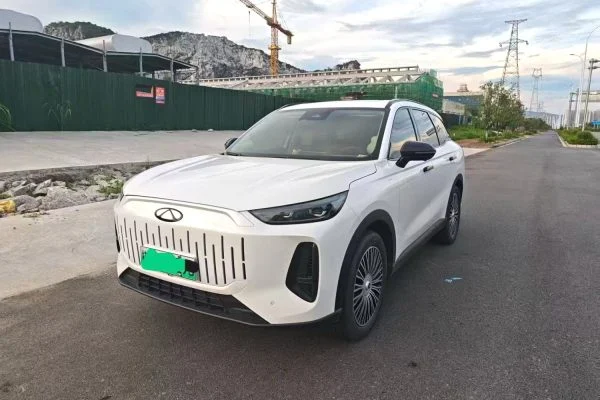
2024 Chery Fulwin T9 C-DM 1.5T (355HP PHEV / 5-Seater) Luxury Mid-Size SUV
- 2024
- 25,000 km
- Automatic
- Plug-in Hybrid
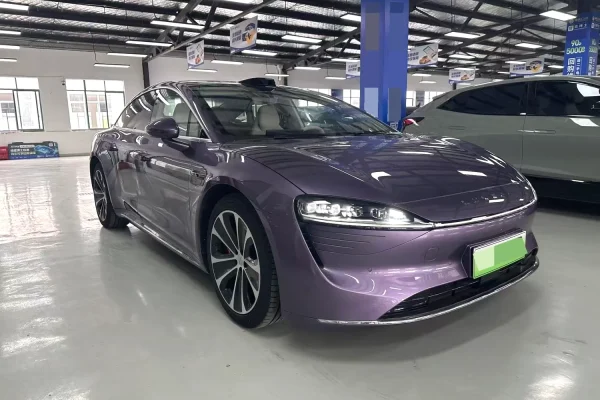
2025 Luxeed S7 Ultra EV AWD (5,200 km / 496 HP / 785km CLTC) – HUAWEI Powered Smart Sedan
- 2024
- 5,200 km
- Automatic
- Electric
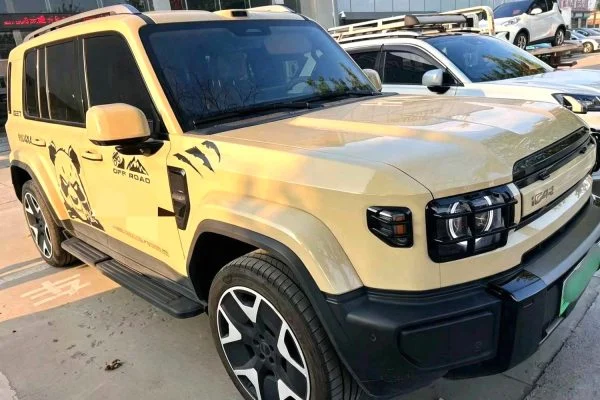
2026 Chery iCAR V27 200KM AWD Falcon 700 (15,000 km / 455 HP / LiDAR) – Off-Road EREV SUV
- 2026
- 15,000 km
- Automatic
- Plug-in Hybrid
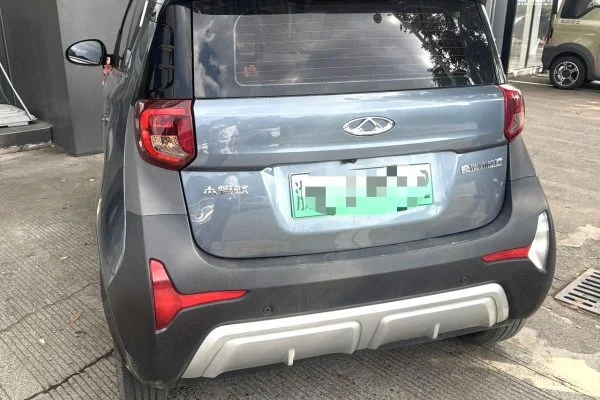
2022 Chery eQ1 Little Ant Tianfen Full Sugar Edition for Sale — 25,000 km, 30.6 kWh, 301 km, Hangzhou Stock
- 2022
- 25,000 km
- Automatic
- Electric
Related News

Cheapest Used Electric Cars for Sale: Where the Price Floor Sits
Used Tesla for Sale in New Jersey: What $25,000 Buys in 2026