









Cheapest Used Electric Cars for Sale: Where the Price Floor Sits

The cheapest used electric cars for sale in 2026 start around $5,000 for a Wuling Hongguang Mini EV and around $9,000 for a car you would drive on a highway. Every $1,000 above that buys roughly 15-20 km of real range.
That is the useful way to read this market. The floor is not a single number. It is a staircase, and knowing where each step lands stops you overpaying for range you will not use.
What sits at the very bottom?
Three- and four-year-old mini EVs. A used Wuling Hongguang Mini EV with a 13.9 kWh pack sells for $4,500-$6,000 FOB. It has 120 km of CLTC range, no DC fast charging on most trims, and a top speed of 100 km/h.
It is a scooter with doors. That is not an insult — as a second car for a city with cheap electricity, it does exactly what it was built for. As your only car, it doesn’t work.
Above it sits the $7,000-$8,000 band with Changan Benben E-Star and older Chery eQ1 cars. 30 kWh, 300 km CLTC, and enough structure to survive a motorway.
Where does a genuinely usable car start?
$9,000. That is the 2024 Chery eQ1 Little Ant with 13,000 km, a 29.2 kWh LFP pack and a 321 km CLTC rating — which is 210-240 km in practice.
The step from $6,000 to $9,000 is the most important one in this market. Below it you get a city toy. Above it you get a car with airbags that work at highway speed, DC charging, and a battery chemistry that will not degrade to nothing in five years.
What does $12,000-$15,000 add?
Proper four-door cars with real boots. The 2025 BYD Seagull 305km Freedom Edition at around $11,000, the Leapmotor T03 at $12,000 with 403 km CLTC, and the BYD Dolphin at $13,500 with 420 km and room for four adults.
This band is where value peaks. You are paying 30% more than the floor for double the car.
Above $16,000 the curve flattens hard. A $20,000 used EV is not twice as good as a $13,500 Dolphin. It is bigger, quieter, and has a longer-range pack — but the marginal gain per dollar drops sharply.
Why are Chinese EVs so cheap used?
Four reasons, and only one of them is a warning sign.
- Volume: China sold over 10 million new energy vehicles in 2024. Used supply follows with a lag of two to three years.
- New-car discounting: domestic price wars cut new prices, which drags used values down.
- Trade-in programmes: government scrappage incentives pushed millions of 3-5 year old cars into the wholesale market.
- Brand churn: dozens of brands launched EV models between 2020 and 2024 and several have already stalled. Those cars are cheap for a reason.
The first three are good news for buyers. The fourth is where you need to look at the badge, not just the price.
Where is the trap in the cheap band?
Ride-hailing. A large share of used Chinese compacts in the $6,000-$10,000 range were used for Didi. They look fine and have 80,000 km on the clock at two years old.
Those cars have done 700-900 full battery cycles. On LFP that is survivable, but you are buying a pack at 85-88% state of health rather than 95%. Check the SOH report, and check the interior for knee wear on the seat bolsters and scuffed door sills from passengers.
Second trap: missing charging equipment. Chinese domestic cars often ship with a portable AC charger only. Confirm what cables you get, because a replacement Type 2 cable is $150-$250.
Key Takeaways
- The cheapest usable used EV in 2026 starts at about $9,000, not $5,000.
- $5,000-$7,000 buys a 120-300 km CLTC mini EV for city use only.
- Each extra $1,000 buys roughly 15-20 km of real range up to about $15,000.
- Value peaks around $12,000-$14,000 with the Seagull, T03 and Dolphin.
- Ride-hailing history is the main trap in the sub-$10,000 band.
Related Vehicles
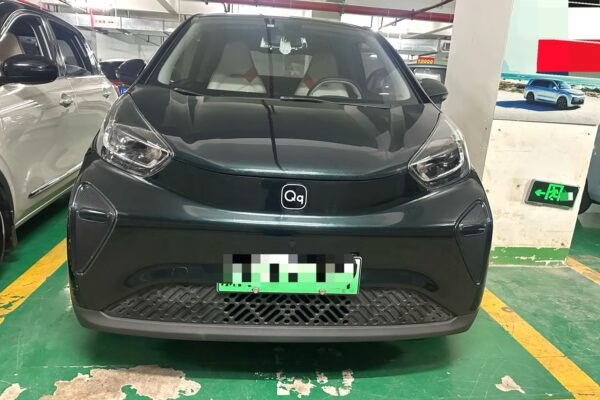
2024 Chery eQ1 (Little Ant) 321 km Zhong’ai Edition – 13,000 km, Jinhua, FOB Ningbo
- 2024
- 13,000 km
- Automatic
- Electric
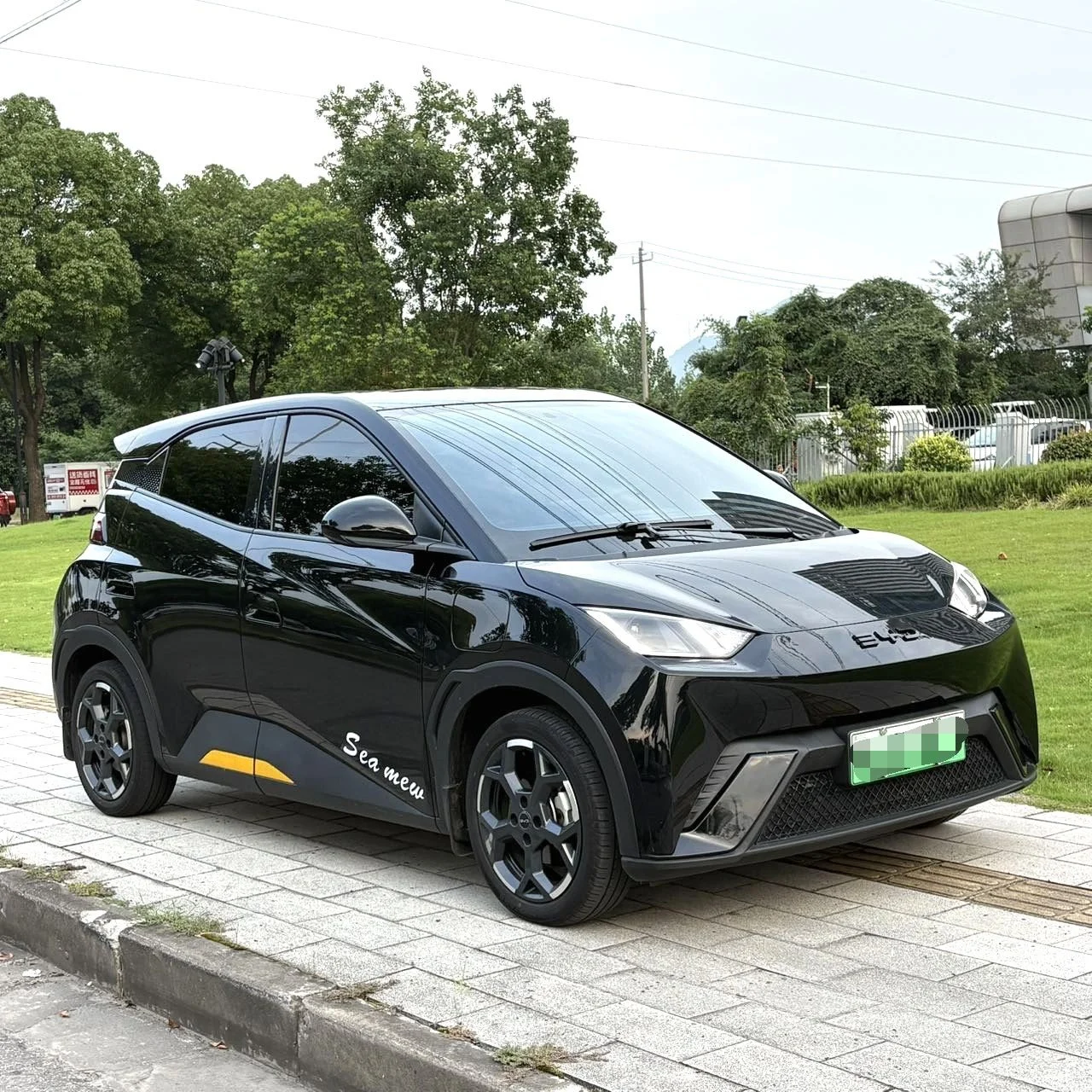
2025 BYD Seagull (Dolphin Mini) 305km Freedom Edition – Compact City EV | Ready to Ship
- 2024
- 35,000 km
- Automatic
- Electric
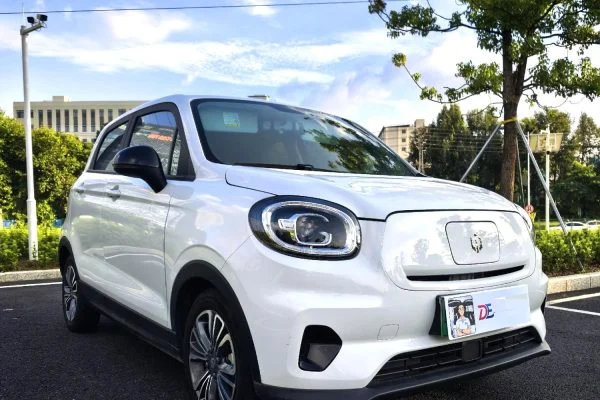
2024 Leapmotor T03 403 Comfort Edition for Sale – 109 hp EV, 403 km Range, Export Ready
- 2024
- 11,000 km
- Automatic
- Electric