









Shipping a Used EV From China in 2026: Costs and Timelines

Shipping a used EV from China costs $1,100-$2,600 per car by roll-on/roll-off or container in 2026, and takes 18-45 days port to port. Total landed cost, with documents and clearance, runs $2,500-$5,000 on top of the car price.
Which shipping method should you choose?
Two options dominate. RoRo is cheaper and simpler, but the car must be driveable and you cannot pack parts inside it. Container costs more per car alone but lets you consolidate and load spares.
- RoRo China to Jebel Ali: $1,100-$1,700, about 20 days
- RoRo China to Mombasa: $1,400-$2,100, about 30 days
- 20-foot container to Europe: $2,000-$2,600, about 35-45 days
- Consolidated LCL share: $900-$1,400 per car, 40+ days
If you are importing one car, RoRo wins on cost. If you order four or more, a shared container almost always beats it.
What documents must you prepare?
Miss one and the car sits at the port while you pay storage. The list is short but unforgiving.
- Original vehicle registration and cancellation certificate
- Commercial invoice and packing list
- Bill of lading from the shipping line
- Certificate of origin
- Export licence for the vehicle (the exporter handles this)
- Battery declaration for the lithium pack
- Destination import approval where required
How long does the whole process take?
From deposit to keys in hand, plan for 6-10 weeks. The car purchase and export paperwork take 5-10 days. Booking and loading takes another 7-14. Ocean transit is 18-45 days depending on the route. Destination clearance adds 3-10 days, and longer if your inspection authority is slow.
Vehicles like the BYD Song PLUS EV move through this pipeline quickly because they are common and well understood by customs. Rarer cars such as the Porsche Cayenne can trigger extra valuation scrutiny, which adds days.
Which markets are easiest to ship into?
The GCC and much of Africa accept used EVs with minimal friction, typically a 5% duty and a clean registration cancellation. Southeast Asia varies by country but is generally open. The EU and UK are the hard cases: they demand type approval or a national single-approval, and an EV without a CoC certificate can cost thousands to legalise.
South America sits in the middle. Chile and Peru are smooth. Brazil applies steep taxes that can add 30% or more to the landed value.
What is the biggest shipping mistake?
Under-declaring the invoice to save duty. Customs officers increasingly check EV valuations against auction data, and a $28,000 SU7 declared at $9,000 gets flagged immediately. You then pay a penalty, storage, and a revaluation fee. It is never worth it.
Second mistake: booking before the export licence is confirmed. The car sits on the dock accruing fees while the paperwork clears. Always sequence documents before you book space.
Key Takeaways
- Sea shipping costs $1,100-$2,600 per car in 2026.
- Port-to-port transit runs 18-45 days depending on route.
- Budget $2,500-$5,000 total for freight and clearance.
- GCC and Africa are the easiest destinations; the EU is hardest.
- Declare real value; customs cross-check EV prices now.
Related Vehicles
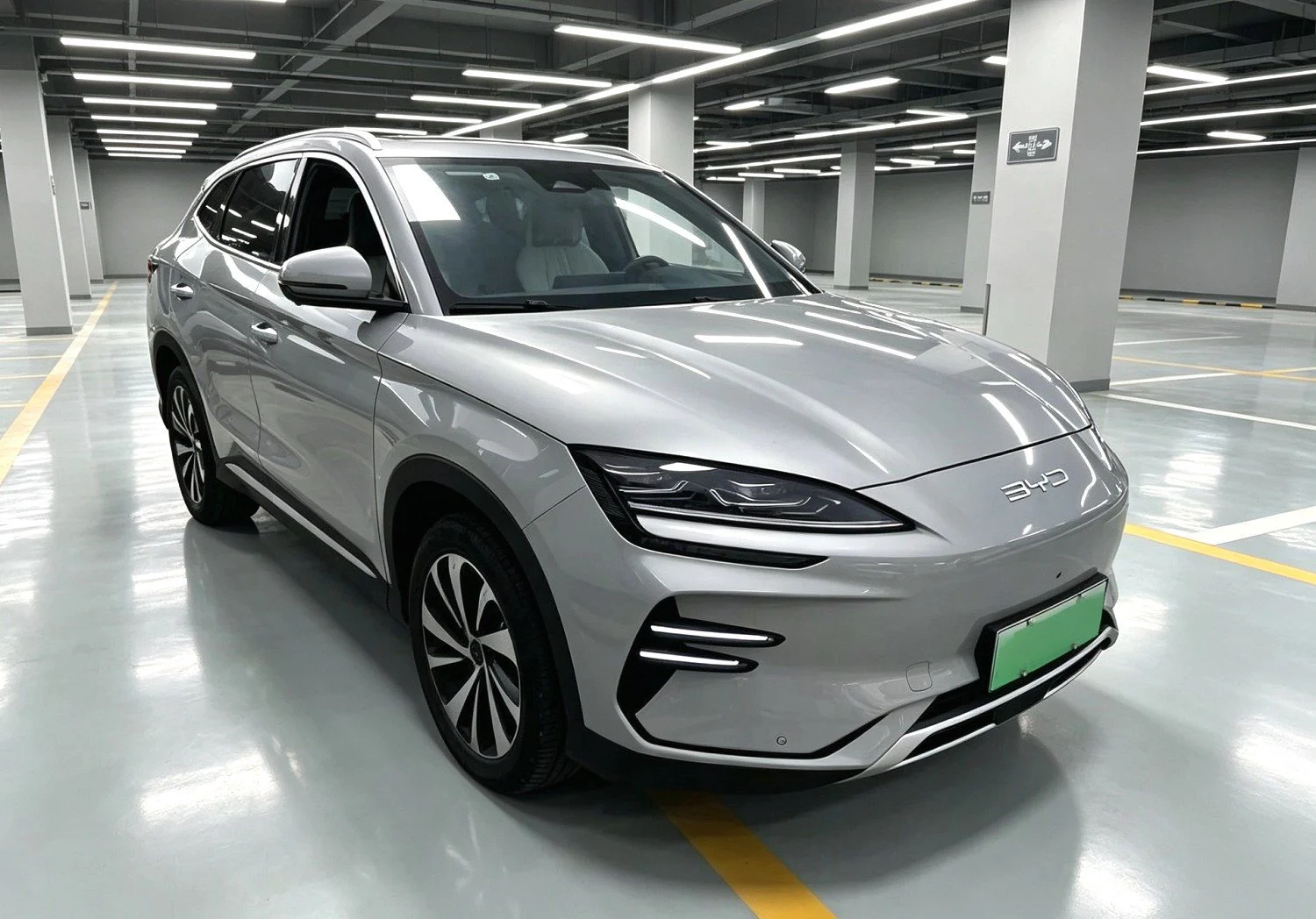
2023 BYD Song PLUS EV Champion Edition 520km Flagship (204HP FWD / Seal U) Electric SUV
- 2024
- 4,000 km
- Automatic
- Electric

2018 Porsche Cayenne 3.0T US Spec for Sale – 340 hp AWD Luxury SUV, 8-Speed Tiptronic, Export Ready
- 2021
- 60,000 km
- Automatic
- Petrol
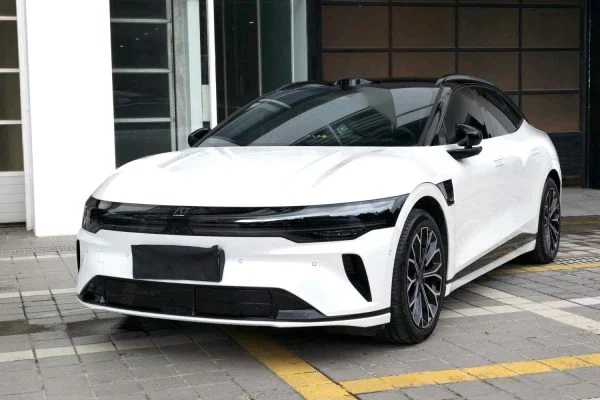
2025 Zeekr 007 GT RWD Smart Drive (422HP / 75kWh / 800V) Electric Sedan
- 2025
- 22,000 km
- Automatic
- Electric