









Shipping a Used EV From China to Europe: 2026 Guide
Shipping a used EV from China to Europe in 2026 costs $1,500-$3,000 in freight, plus a 10% import duty on the car’s value and VAT at your local rate. Total transit runs 30-45 days door to door. That is the short answer; the paperwork is where deals go wrong.
European importers have two shipping choices: RoRo (roll-on/roll-off) or a shared container. Each has a different cost structure and a different risk profile.
RoRo or container: which is cheaper?
RoRo is usually cheaper per car, at roughly $1,500-$2,200 to a major European port, but the car ships uncovered and you cannot add cargo. A shared 40ft container fits two to three small cars and costs $2,500-$3,000 total, which can work out cheaper per unit if you consolidate. Containers also protect the paint.
- RoRo: ~$1,500-$2,200 per car, faster booking, exposed.
- Container: ~$2,500-$3,000 per box, 2-3 cars, protected.
- Duty: 10% of declared value.
- Transit: 30-45 days door to door.
What EU paperwork does a Chinese used EV need?
This is the part that sinks naive imports. A used Chinese EV needs an EU WVTA or a national individual-vehicle approval to be registered. Many Chinese-market models were never type-approved in Europe, so you rely on national schemes like Germany’s §21 StVZO single-vehicle approval or the UK’s IVA. Budget $500-$1,500 per car for testing and modification.
You also need the export licence, the commercial invoice, the bill of lading, and the certificate of origin. Missing one document can hold the car at port for weeks, and storage adds up fast.
Which cars ship to Europe most easily?
Models that already have a European homologation path are far simpler. The BYD Song PLUS EV has a Blade battery that inspectors know well, and BYD’s European presence means parts exist. The XPeng P7+ Long Range Max has an 800V platform that appeals to buyers but needs careful charging-compatibility checks. A GWM Tank 400 Hi4-T PHEV is a different case — hybrids face separate emissions testing.
What goes wrong most often?
Three things. First, undervaluing the car at customs to save duty — this is fraud and it stalls registration. Second, assuming the Chinese charging port works in Europe; many cars need a connector or an AC charging modification. Third, ignoring the age of the 12V system and tyres, which are usually the first failures after a long sea voyage.
Buy from a seller who has shipped to Europe before, and get the approval path confirmed in writing before you pay a deposit.
Key Takeaways
- Freight to Europe runs $1,500-$3,000; duty is 10% of value.
- Door-to-door transit takes 30-45 days.
- You need WVTA or a national approval, costing $500-$1,500.
- Confirm charging compatibility and never under-declare value.
Related Vehicles
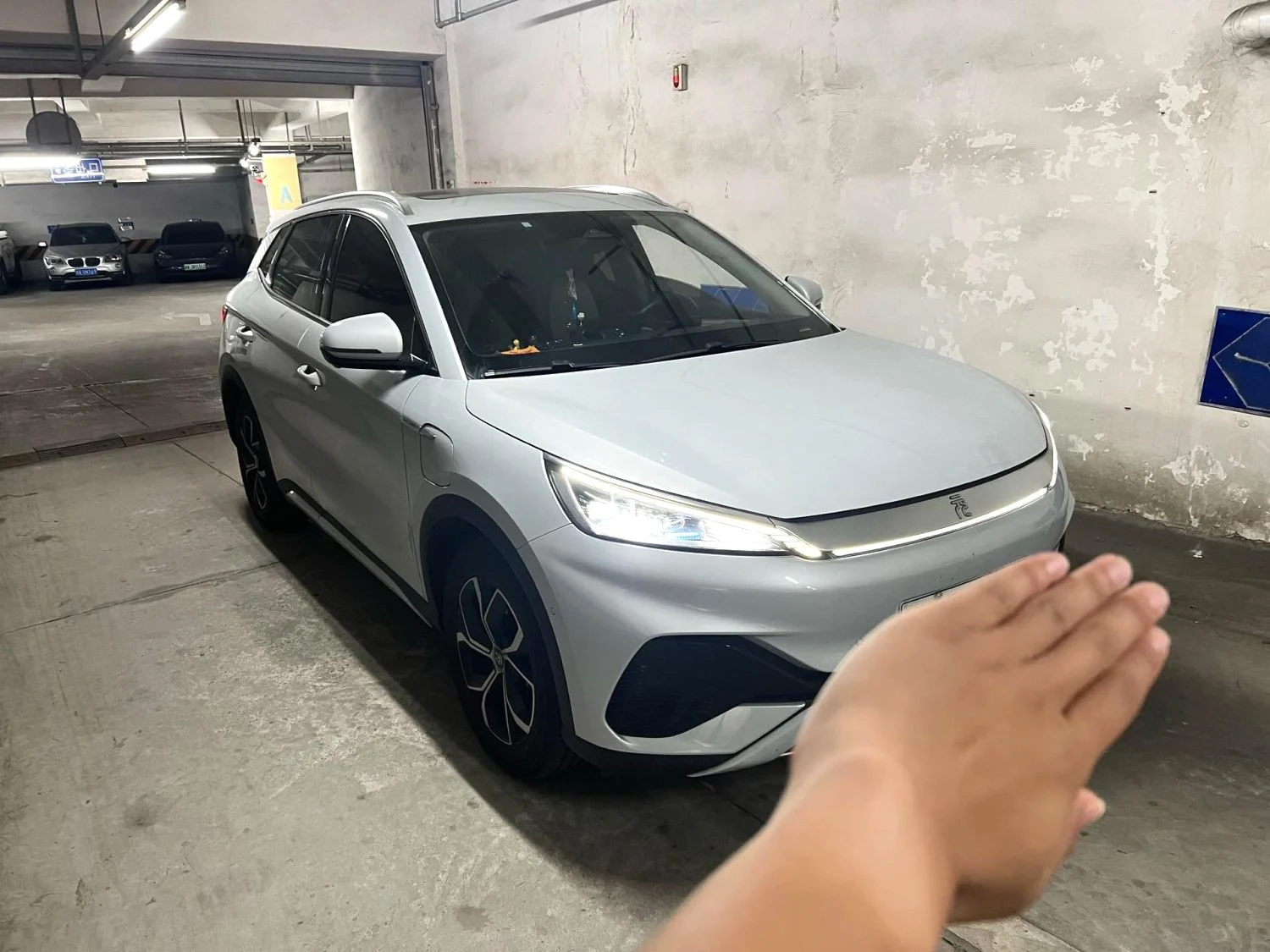
2021 BYD Song PLUS EV Luxury Edition (505km Range / Blade Battery) – Electric SUV
- 2023
- 50,000 km
- Automatic
- Electric
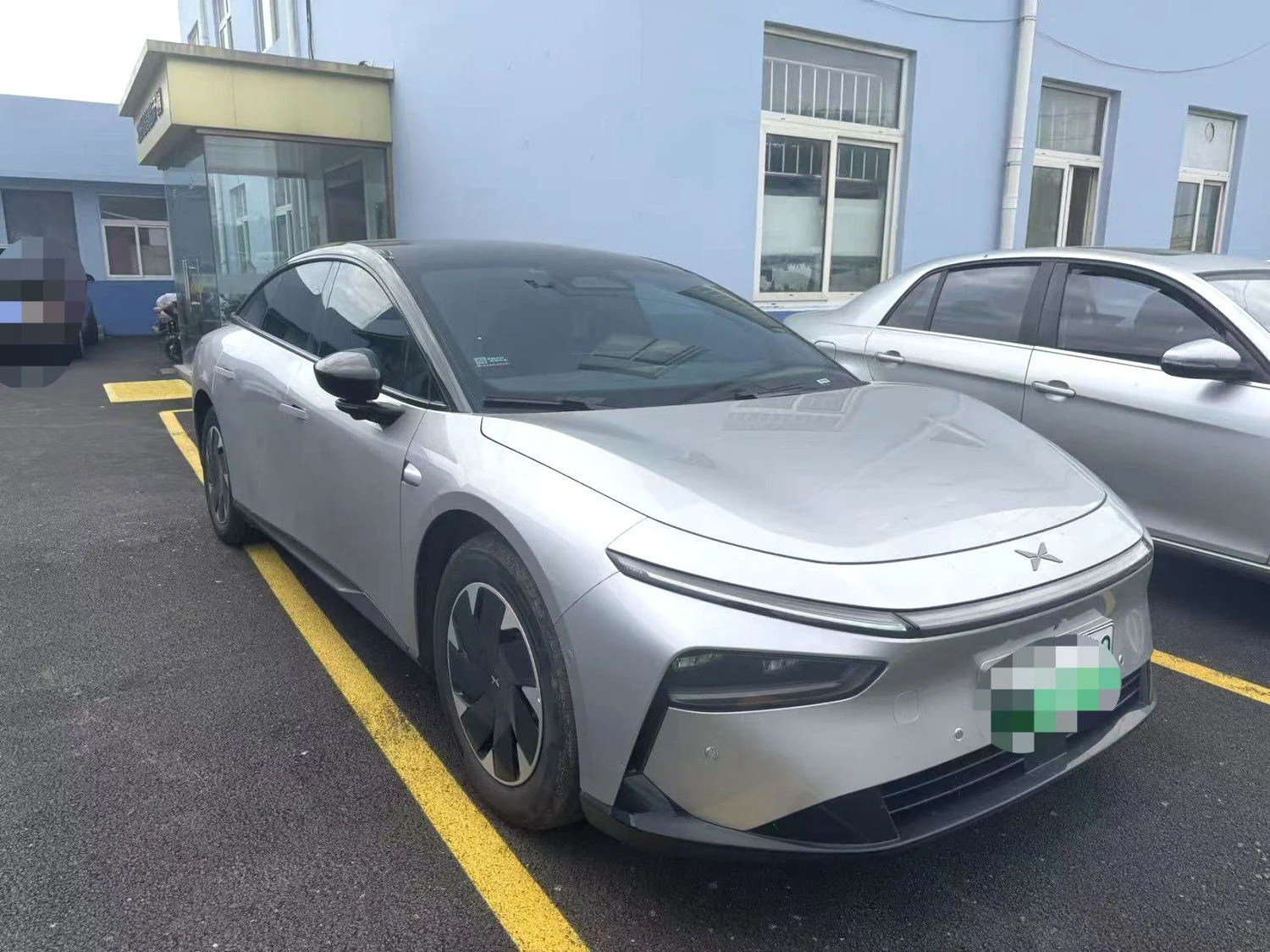
2024 XPENG P7+ Long Range Max (800V Platform / 615km Range) – AI Fastback Sedan
- 2026
- 16,000 km
- Automatic
- Electric
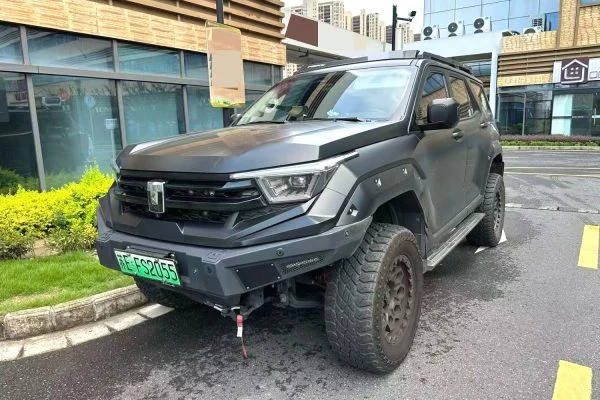
2023 GWM Tank 400 Hi4-T 2.0T Ultra (408HP PHEV / 4WD) Off-Road Luxury SUV
- 2023
- 39,000 km
- Automatic
- Plug-in Hybrid