









Do Electric Cars Have Good Resale? Used China EV Values in 2026

Electric cars have worse three-year resale than petrol cars — Chinese EVs typically lose 40-55% by year three, versus 30-38% for a comparable petrol crossover. The saving grace: they flatten hard after that and lose only 4-7% a year from year four.
That curve is the single most useful fact for a buyer. It tells you exactly when to buy and exactly why buying new is the expensive option.
Why do electric cars depreciate faster than petrol cars?
Three forces, and only one of them is about the battery.
Incentives distort the new price. When a market subsidises new EVs, the used value anchors to the subsidised price, not the sticker. Remove the subsidy and used values fall again. This is the biggest single driver and it has nothing to do with build quality.
Technology moves faster. A 2022 car with 400V charging and a 60 kWh pack looks dated beside a 2026 car with 800V and 75 kWh. Petrol cars do not have this problem — a 2022 Corolla still has the same engine as a 2026 one.
Buyers fear the battery. Even when the battery is fine. A well-documented SOH report can recover 8-12% of value at resale, which is why you should always keep one.
Which Chinese EVs hold value best?
The ones with LFP batteries, high production volume, and an export network. In practice that means BYD and Geely product.
- BYD Seal DM-i — plug-in hybrid, 121 km EV range, 49,000 km. PHEVs hold better than pure EVs because buyers have no range anxiety.
- Li Auto L7 Pro — range-extender SUV at $25,900 FOB with 38,000 km. EREVs in the premium segment depreciate slowly.
- BYD Atto 3 — a 2022 Flagship with 56,000 km sits at about 55-58% of original. That is the floor.
- BYD Song PLUS EV — 71.8 kWh, 40,000 km. Family SUVs hold value better than city cars.
The worst performers are low-volume brands with thin parts networks and any car under 30 kWh sold into a market with cheap petrol. A $9,000 city car that loses 45% is only a $4,000 loss, so the absolute damage stays small.
When does an EV stop depreciating so fast?
Around year three to four, and the reason is arithmetic. By then the car has already lost more than half its value, and the remaining value is anchored to what the battery and body are worth as usable hardware.
From year four to year seven, a Chinese EV typically loses 4-7% a year. Compare that to 8-12% for a petrol car of the same age. The curves cross, and the EV becomes the better financial hold.
This is why a 2020-2022 Chinese EV is the sweet spot. You are buying at the bottom of the steep part of the curve.
Does buying used protect you from the depreciation hit?
Yes, almost entirely. If you buy a three-year-old EV at 55% of original and hold it four years, your total depreciation is roughly 18-22%. A new-car buyer over the same period eats 55%.
The trade-off is that you inherit whatever the first owner did to the battery. Mileage is a poor proxy. A 40,000 km car that fast-charged daily can be worse than an 80,000 km car charged at home.
What kills resale value fastest?
- No battery health report. Buyers discount by 15% when they cannot see SOH.
- Accident history, especially anything touching the battery tray or floor pan.
- Modified charging hardware or aftermarket inverters.
- A model the brand has discontinued in your region, which makes parts a scavenger hunt.
One contrarian point: cosmetic damage does not hurt EV resale as much as it hurts petrol resale. Buyers at this price are focused on the pack. A scuffed bumper on a mechanically sound 60 kWh car is a negotiating chip, not a deal-breaker.
Key Takeaways
- No — electric cars have below-average three-year resale, losing 40-55% versus 30-38% for petrol.
- The curve flattens from year four at 4-7% a year, which makes 3-4-year-old cars the best value.
- LFP batteries, high volume and export support (BYD, Geely) protect value; low-volume brands do not.
- Always keep a BMS health report — it is worth 8-12% at resale.
Related Vehicles
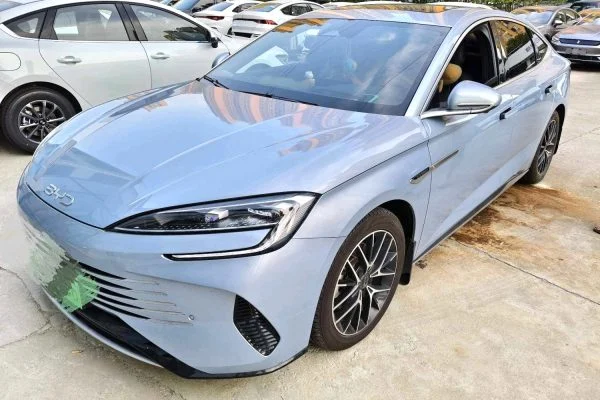
2024 BYD Seal DM-i 1.5L 121km Luxury Edition (49,000 km / 197 HP) – Mid-Size PHEV Sedan
- 2024
- 49,000 km
- Automatic
- Hybrid
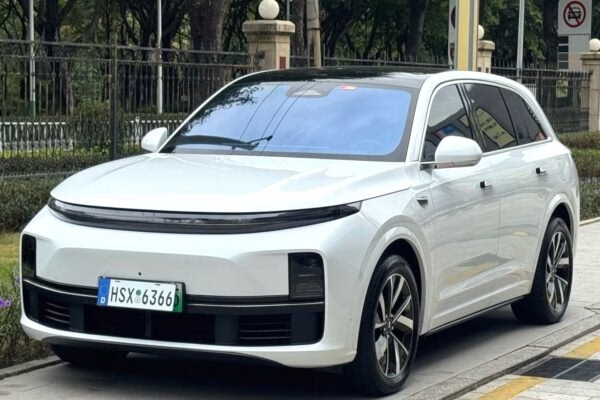
2023 Li Auto L7 Pro for Sale – 330 kW EREV, FOB from US$25,900
- 2023
- 38,000 km
- Automatic
- EREV

2022 BYD Yuan PLUS (Atto 3) 510km Flagship (204HP FWD) Electric Compact SUV
- 2022
- 56,000 km
- Automatic
- Electric
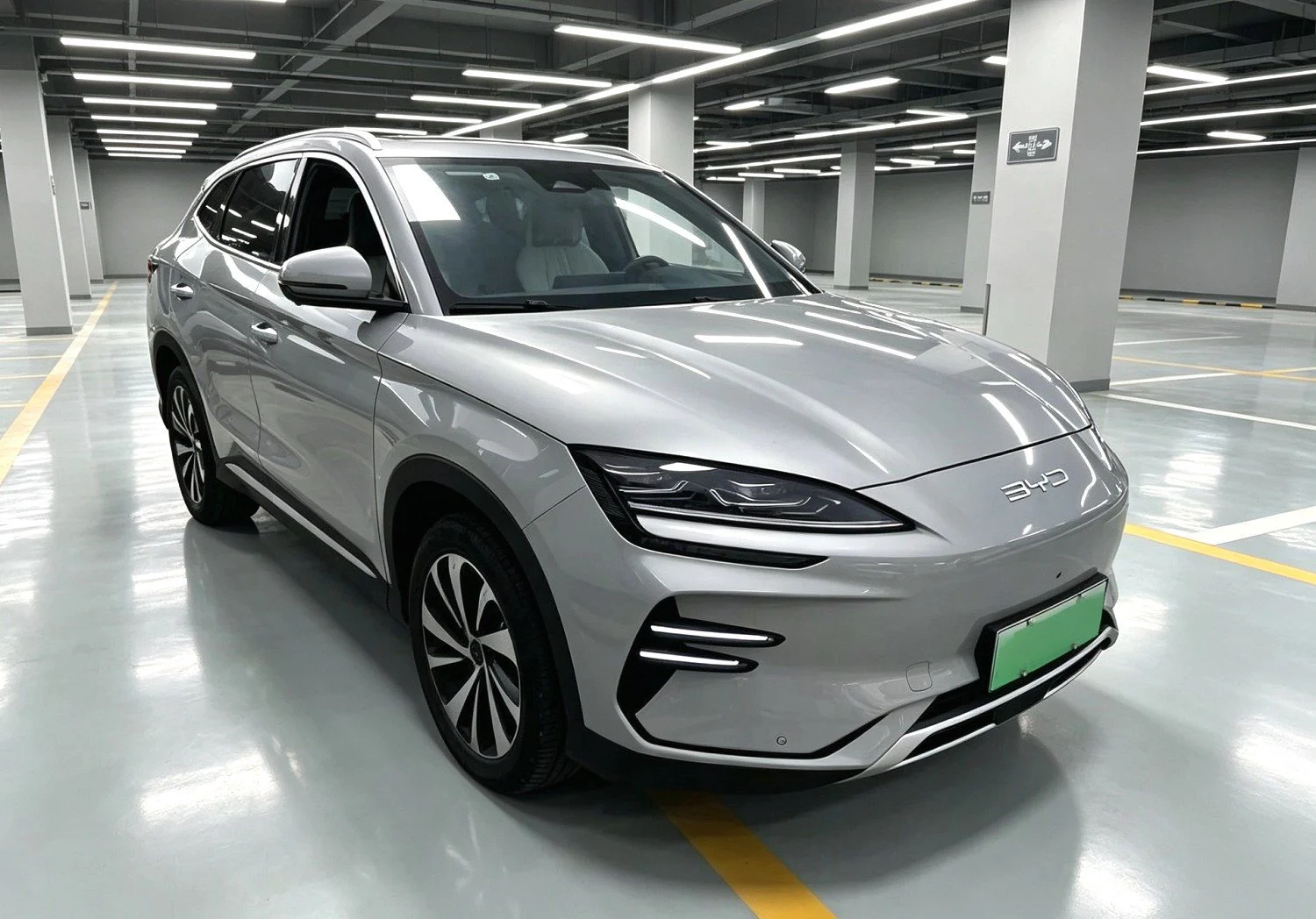
2023 BYD Song PLUS EV Champion Edition 520km Flagship (204HP FWD / Seal U) Electric SUV
- 2024
- 4,000 km
- Automatic
- Electric