









Cheapest Used Electric Cars for Sale in 2026: Real Price Floor
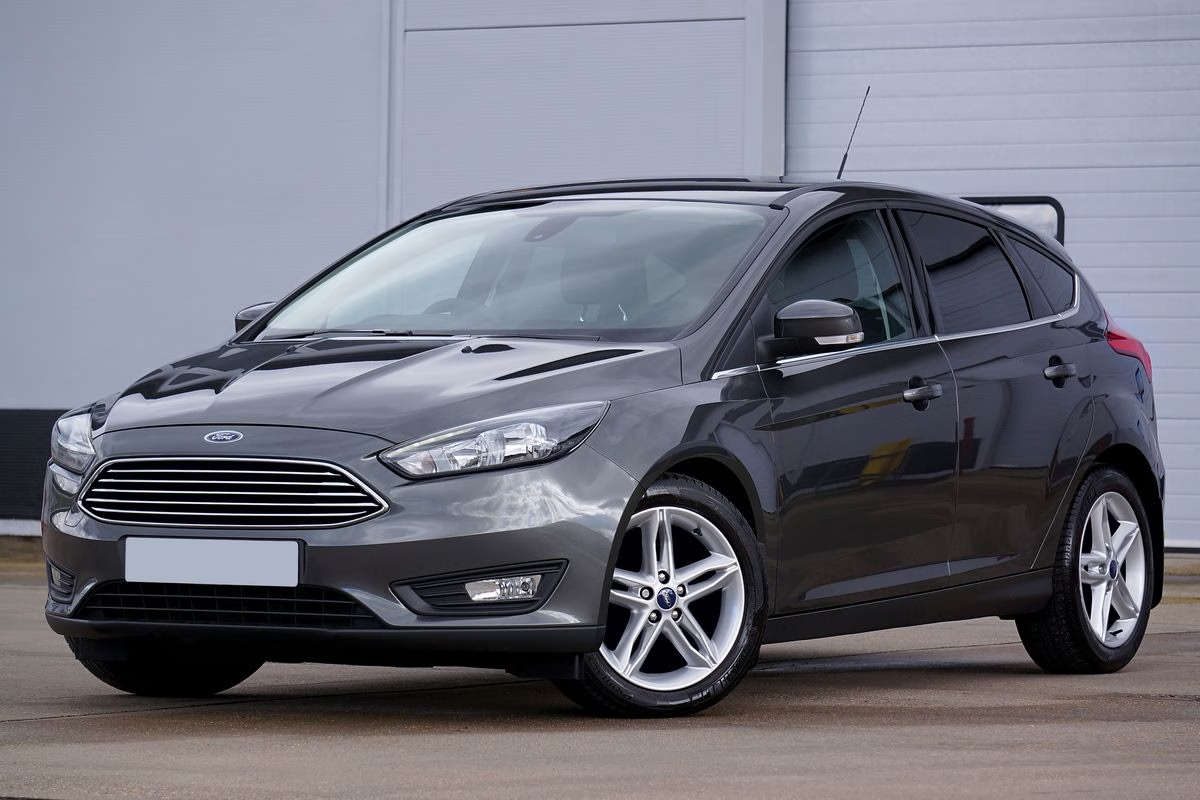
The cheapest used electric cars for sale out of China in 2026 start at roughly $6,500 FOB. That number buys a two-seat Baojun E200; $8,500 buys a five-door BYD Seagull, which is the realistic floor for a normal car.
Anything advertised below $6,000 is one of four things: a salvage car, a low-speed electric vehicle that is not road-legal on a motorway, a 2016-2018 car with a degraded pack, or a listing that quietly excludes the battery.
What does $6,500 buy at the very bottom?
A 2020 Baojun E200. Two seats, 39 hp, 305 km rated range from an LFP pack, and a Chinese original list price of RMB 54,800.
It is a genuine, road-legal, factory-built EV. It is also a two-seater with almost no luggage space. For a resort shuttle, a campus pool car or a delivery pod, it works and the price is unbeatable.
For a family, it does not work. The back has a shelf, not a seat.
What is the realistic minimum for a usable car?
About $8,500, and the car at that number is the 2025 BYD Seagull — five doors, 30.08 kWh Blade battery, 305 km CLTC, 75 hp, 12,000 km on the clock.
The reason the Seagull matters is not the price. It is that BYD builds it at scale and sells in over 90 markets, so the parts channel exists. A $7,000 car from a brand nobody imports is a $7,000 paperweight after one broken window regulator.
Just above it, the 2024 Chery eQ1 at about $9,000 and the Geely Xingyuan at about $9,800 split buyers by use case: the eQ1 for the smallest possible footprint, the Xingyuan for five doors and rear-wheel drive.
Why are Chinese used EVs this cheap in the first place?
Three structural reasons, and none of them is poor quality.
- Scale. China built over 12 million new-energy vehicles in 2025. Volume pushed the new price of a 30 kWh city car under RMB 70,000.
- Brutal domestic competition. Over 100 EV brands fighting for share pushed list prices down year after year, dragging used values with them.
- LFP chemistry. Iron-phosphate packs cost less per kWh than nickel-based ones and last longer, so manufacturers could sell cheap cars without hiding a battery replacement cost.
The result is a used market where a two-year-old car with 15,000 km sells for 30% below its new price. That is unusual anywhere else in the world.
What should you avoid at the cheap end?
- Low-speed EVs (LSEVs). Often sold as “electric cars” but never type-approved for motorway use. No airbags, no crash structure.
- Cars with no BMS report. At this price, the battery is 60% of what you are paying for.
- Pre-2019 packs without liquid cooling. Fast-charge them twice and capacity falls off a cliff.
- Brands with under 50,000 units total production. Parts will not exist in five years.
Is buying the cheapest one actually cheaper over five years?
No. Run the numbers and the $8,500 Seagull beats the $6,500 E200 over five years for most buyers.
The E200 saves $2,000 up front. It loses on resale (two-seaters have a thinner buyer pool), on practicality, and on parts availability as the model ages. The Seagull’s five doors and BYD parts network hold value and usability.
Only buy the absolute cheapest if your use case genuinely fits a two-seater. Otherwise $2,000 buys you a car you can keep.
Key Takeaways
- The used EV price floor from China is about $6,500 FOB for a two-seat Baojun E200.
- $8,500 is the realistic minimum for a five-door, road-legal, parts-supported car (BYD Seagull).
- Chinese used EVs are cheap because of enormous production volume and brutal domestic competition, not quality.
- Avoid low-speed EVs and any listing without a BMS health report, regardless of price.
Related Vehicles
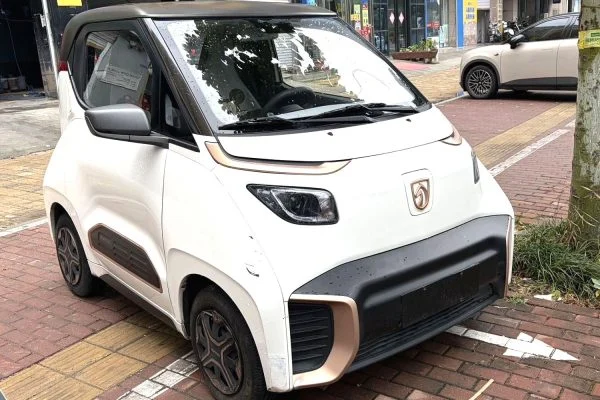
2020 Baojun E200 305km Zhixing Edition for Sale – 39 hp EV, 305 km Range, Export Ready
- 2021
- 25,000 km
- Automatic
- Electric
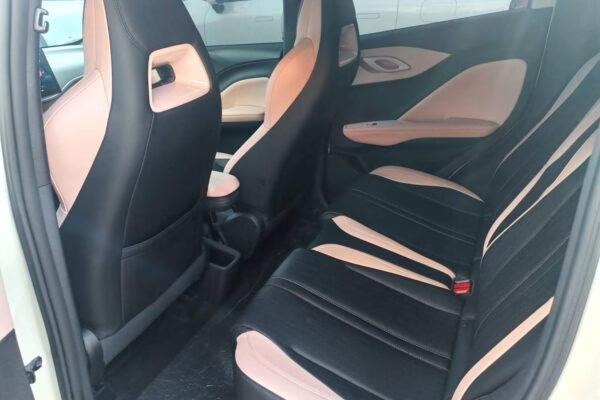
2025 BYD Seagull Vitality Edition 305km EV (75 HP) – 12,000 km, Beige over Blue
- 2025
- 12,000 km
- Automatic
- Electric
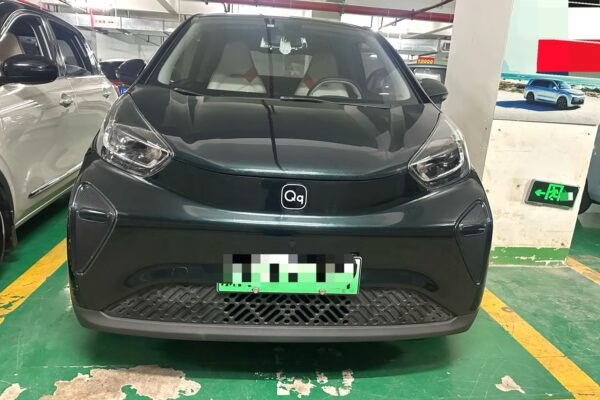
2024 Chery eQ1 (Little Ant) 321 km Zhong’ai Edition – 13,000 km, Jinhua, FOB Ningbo
- 2024
- 13,000 km
- Automatic
- Electric

2025 Geely Geome Xingyuan 310km Youth Edition (58kW RWD / Flyme Auto) Compact EV
- 2025
- 18,000 km
- Automatic
- Electric