









Is There Still a $7,500 EV Tax Credit for Used Cars in 2026?
No. There is no longer a $7,500 tax credit for electric cars in the United States. The federal clean vehicle credit ended for new purchases on September 30, 2025, and the separate $4,000 used-EV credit expired at the same time.
That single change reshaped used EV pricing in North America through late 2025 and into 2026. Some of what happened was predicted. Some was not.
What exactly ended, and when?
Two programs, both tied to the same legislation. The new-vehicle credit of up to $7,500 (Section 30D) applied to qualifying EVs assembled in North America. The used-vehicle credit of up to $4,000 (Section 25E) applied to EVs at least two model years old, sold for $25,000 or less, through a licensed dealer.
Both terminated for vehicles acquired after September 30, 2025. If you bought before that date and took delivery, you kept the credit. After it, nothing — regardless of what a dealer’s website still claims.
Did used EV prices fall when the credit ended?
They fell, but less than expected, and for a reason most forecasts missed. The $4,000 used credit was doing double duty: it subsidised buyers and it set a price floor. Cars under $25,000 qualified; cars just above it did not.
When the floor vanished, the sub-$25,000 segment dropped 6-9% within two quarters, while the $25,000-$35,000 segment barely moved. Sellers of cheap used EVs lost pricing power most.
For buyers, this is straightforwardly good news: the same 2022 EV that cost $23,500 with the credit in mid-2025 trades near $21,000 now.
Does the credit change anything for Chinese EVs?
It never applied to them. Chinese-built EVs were excluded from Section 30D under the foreign-entity-of-concern rules that took effect in 2024, and Section 25E had its own assembly requirements. So a Chinese import was never $7,500 cheaper — which means its price did not change when the credit died.
That created an odd relative shift. A 2023 BYD Song PLUS EV at roughly $17,500 FOB was $3,000-$5,000 more expensive than a credit-eligible domestic used EV in 2024. In 2026 that gap is closer to $1,000, and the Chinese car has more range.
Do electric cars hold resale value without subsidies?
Worse than petrol, better than they did in 2023. A three-year-old mainstream EV in the US now retains about 45-50% of sticker. A comparable petrol compact retains 58-62%. The 12-point gap is the cost of battery uncertainty, and it is narrowing as buyers get used to reading state-of-health reports.
The models that hold best are the ones with LFP packs and long warranties. The models that crater are flagship sedans with big NMC packs and expensive replacement costs — a BYD Seal DM-i or a XPeng P7+ loses 55-60% in three years, which is precisely why they are bargains at year three.
What should a buyer do in 2026?
Stop waiting for a credit that will not return in this political cycle. Price the car on its own merits: battery health report, remaining warranty, parts availability, and real range at your typical speed.
If you are shopping at $15,000-$20,000, the removal of the used credit actually helped you. If you were counting on $4,000 off a $26,000 car, it hurt — but that car was never eligible in the first place, which is where most of the confusion sits.
Key Takeaways
- The US $7,500 new-EV credit and $4,000 used-EV credit both ended September 30, 2025.
- Sub-$25,000 used EV prices fell 6-9% after the credit expired; higher brackets barely moved.
- Chinese-built EVs were never eligible, so their prices did not change.
- Mainstream EVs now retain 45-50% at three years versus 58-62% for petrol compacts.
- Buy on battery health and warranty, not on the hope of a returning subsidy.
Related Vehicles
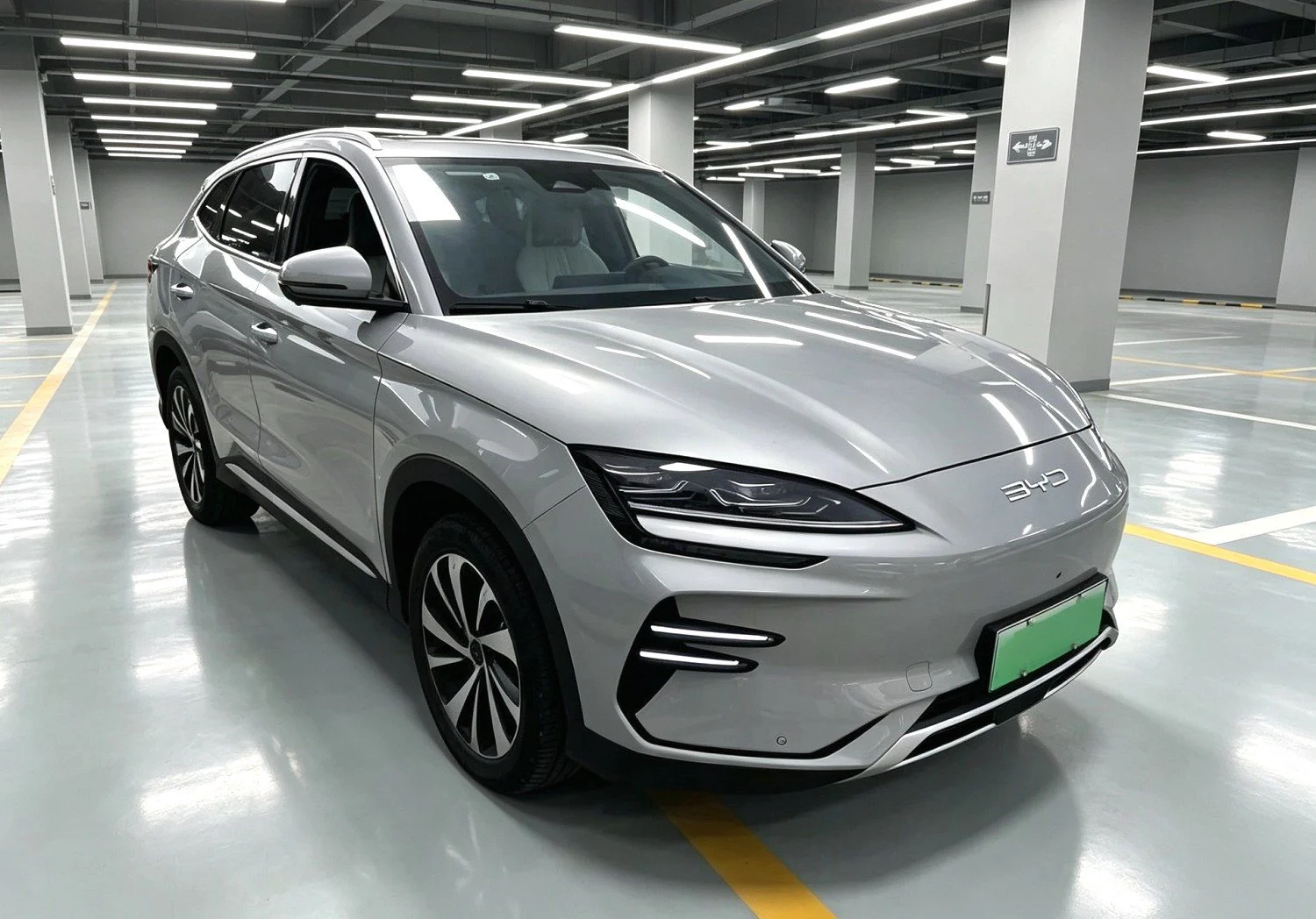
2023 BYD Song PLUS EV Champion Edition 520km Flagship (204HP FWD / Seal U) Electric SUV
- 2024
- 4,000 km
- Automatic
- Electric

2022 BYD Yuan PLUS (Atto 3) 510km Flagship (204HP FWD) Electric Compact SUV
- 2022
- 56,000 km
- Automatic
- Electric

2024 XPENG P7+ Long Range Max (800V Platform / 615km Range) – AI Fastback Sedan
- 2026
- 16,000 km
- Automatic
- Electric
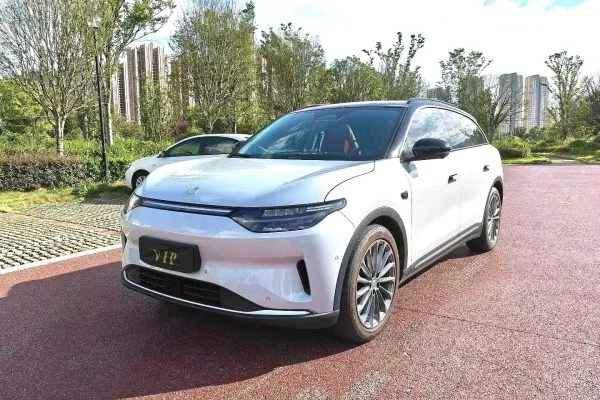
2024 Leapmotor C11 580 Premium Edition for Sale – 272 hp EV, 580 km Range, Export Ready
- 2024
- 21,000 km
- Automatic
- Electric