









Is the $7,500 EV Tax Credit Still There? Used Car Math
Short answer: no. If you are asking is there still a $7,500 tax credit for electric cars in 2026, the US federal credit has been unavailable to new retail EV purchases since the end of September 2025, and the separate used-EV credit of up to $4,000 closed with it. There is no federal point-of-sale discount left.
That single change repriced the entire used EV market — including the Chinese cars overseas buyers are now comparing against local stock.
What happened to the $7,500 electric car tax credit?
Two credits existed. The new-vehicle credit gave up to $7,500 back on qualifying EVs with North American assembly and battery sourcing rules. The used-vehicle credit allowed up to $4,000, or 30% of the sale price, whichever was lower, on cars at least two years old priced under $25,000.
Both were tied to the same statutory framework and expired for purchases after September 30, 2025. Some states still run their own rebates, and a handful of utilities pay a few hundred dollars for charger installation. Those are small numbers next to $7,500.
What does losing the credit do to used EV prices?
It removes a subsidy floor. When a buyer could claim $4,000 off a $20,000 used EV, sellers priced that in. Remove it, and the effective price to the buyer rises by up to 20% overnight unless the market adjusts.
Markets adjust, slowly. What we see in late 2026 is a split: late-model used EVs holding firm because supply is thin, and 3-5 year old cars drifting down because the private buyers who relied on the credit have thinned out. If you are shopping a 2023 BYD Yuan UP or a BYD Song PLUS EV Champion Edition, you are buying into the softer end of that curve.
Do Chinese used EVs actually benefit from this?
Indirectly, yes — but not because of the tax code. The $7,500 credit never applied to a car assembled in China, so nothing changed for those models directly. What changed is the benchmark. A buyer who once compared a $25,000 US-market used EV with $4,000 off to a Chinese import now compares a $25,000 car to a $25,000 car.
On that even footing, a 2023 BYD Atto 3 Champion Edition at roughly $14,500 FOB, with 430 km CLTC and a 60 kWh blade pack, looks considerably better than it did when the subsidy gap was priced in.
Careful, though. Tariffs on Chinese-built vehicles in several markets are far larger than any credit ever was. Do not let a removed subsidy convince you an import is automatically cheaper — run the landed cost first.
Do electric cars have good resale value without the credit?
Mixed, and the model matters more than the fuel type. Three-year retention in 2026 sits anywhere from 40% to 65% depending on brand and battery size. Small-battery city cars sit at the bottom. Large-pack SUVs with a strong service network sit at the top.
- Weakest: sub-30 kWh city EVs, where buyers worry about pack replacement cost relative to car value.
- Middle: 50-60 kWh compact SUVs like the Atto 3 — enough range to be a primary car.
- Strongest: 75 kWh+ sedans and SUVs from brands with export parts support.
What should a used EV buyer do in 2026?
- Check your state or provincial rebate before assuming zero support exists — some still pay $1,500-$3,500.
- Price the car on total landed cost, not sticker. Duty and shipping on a $15,000 import can add 30% or more.
- Prefer models with export parts channels. A car with no brake-pad supply locally is a false economy.
- If resale matters to you, buy the largest pack you can afford. Range is the single biggest driver of used EV demand.
Key Takeaways
- No: the $7,500 new-EV credit and $4,000 used-EV credit ended for purchases after September 30, 2025.
- Some state and utility incentives remain, typically $500-$3,500.
- Chinese-built EVs never qualified, so the change is about market benchmark, not eligibility.
- Used EV resale in 2026 ranges roughly 40-65% at three years, driven by battery size and parts support.
- Import duty usually dwarfs any lost credit — run landed cost before deciding.
Related Vehicles
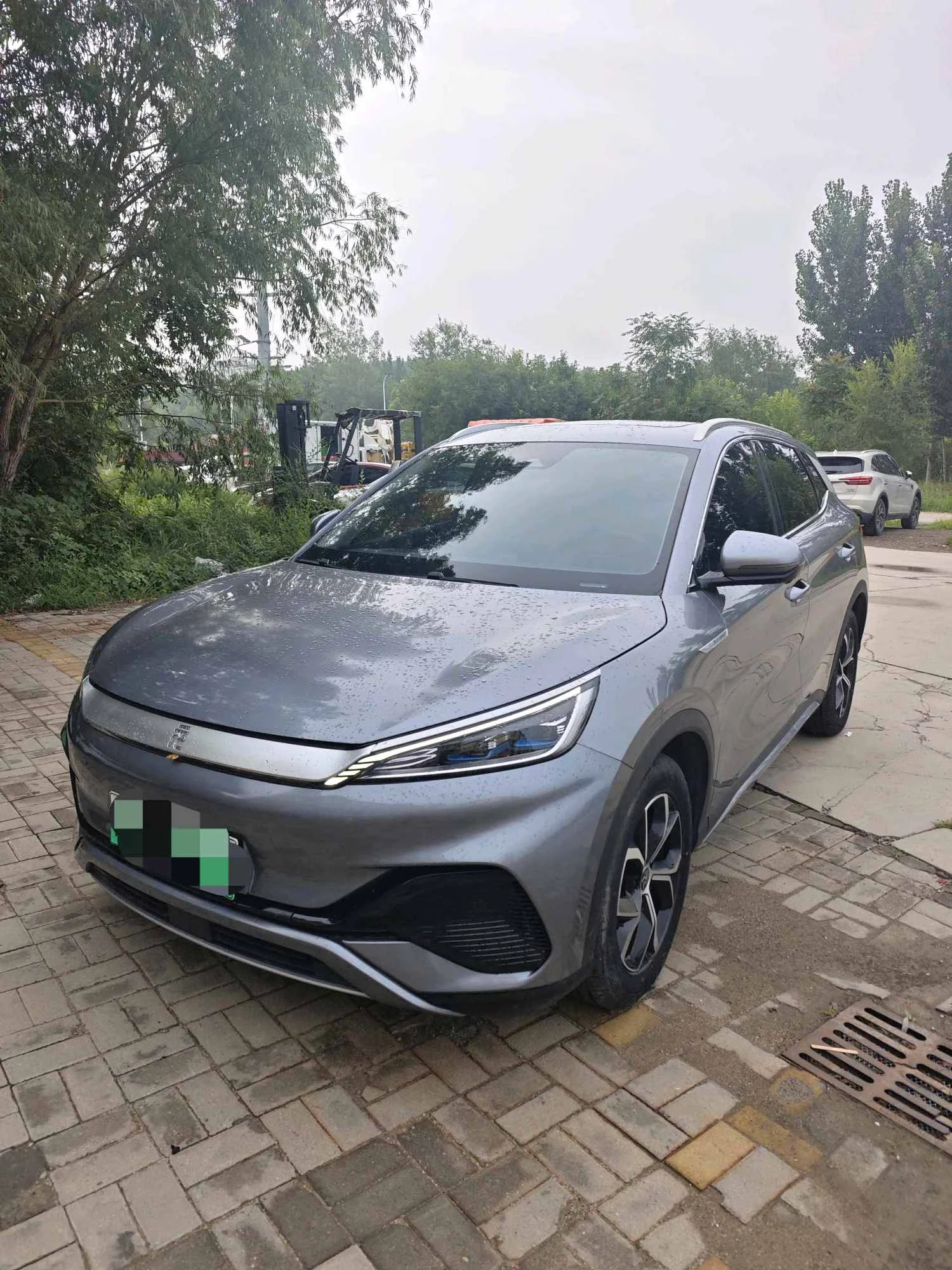
2023 BYD Yuan PLUS (Atto 3) Champion Edition 430KM Beyond (204HP / Blade Battery) EV SUV
- 2023
- 21,000 km
- Automatic
- Electric
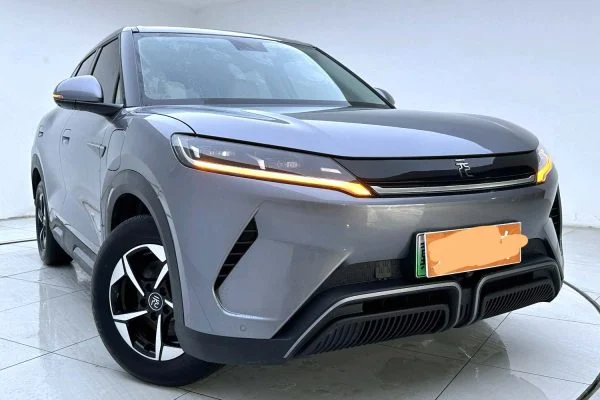
2025 BYD Yuan UP 401KM Smart Driving Edition (177 HP / FWD) – Electric SUV
- 2025
- 7,700 km
- Automatic
- Electric
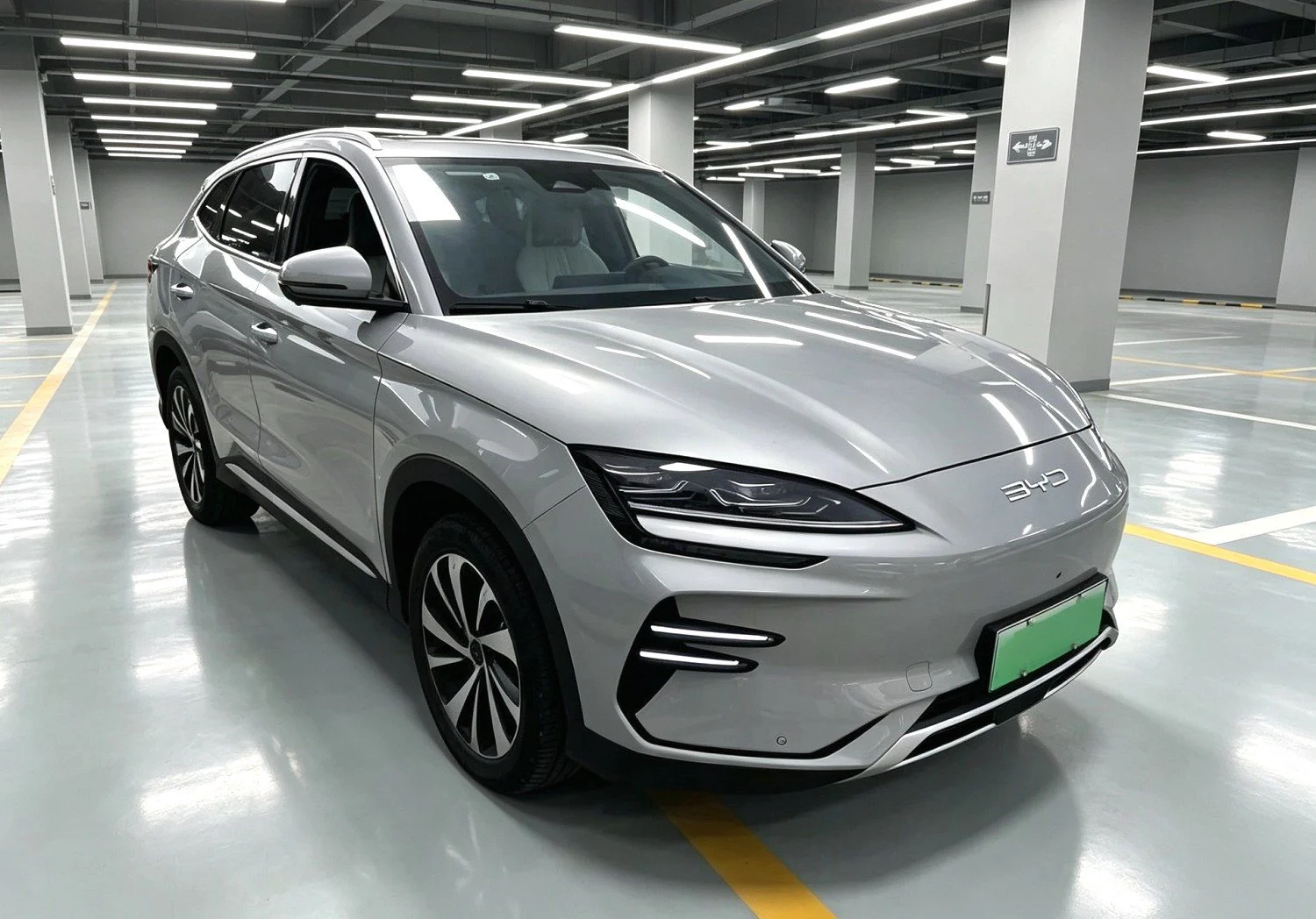
2023 BYD Song PLUS EV Champion Edition 520km Flagship (204HP FWD / Seal U) Electric SUV
- 2024
- 4,000 km
- Automatic
- Electric

2024 BYD Yuan UP (Atto 2) 401km Huoli Edition (95HP FWD / 22k km) Compact EV SUV
- 2024
- 22,000 km
- Automatic
- Electric