









Used Li Auto L7 vs Zeekr 001: Which Used EV Wins in 2026
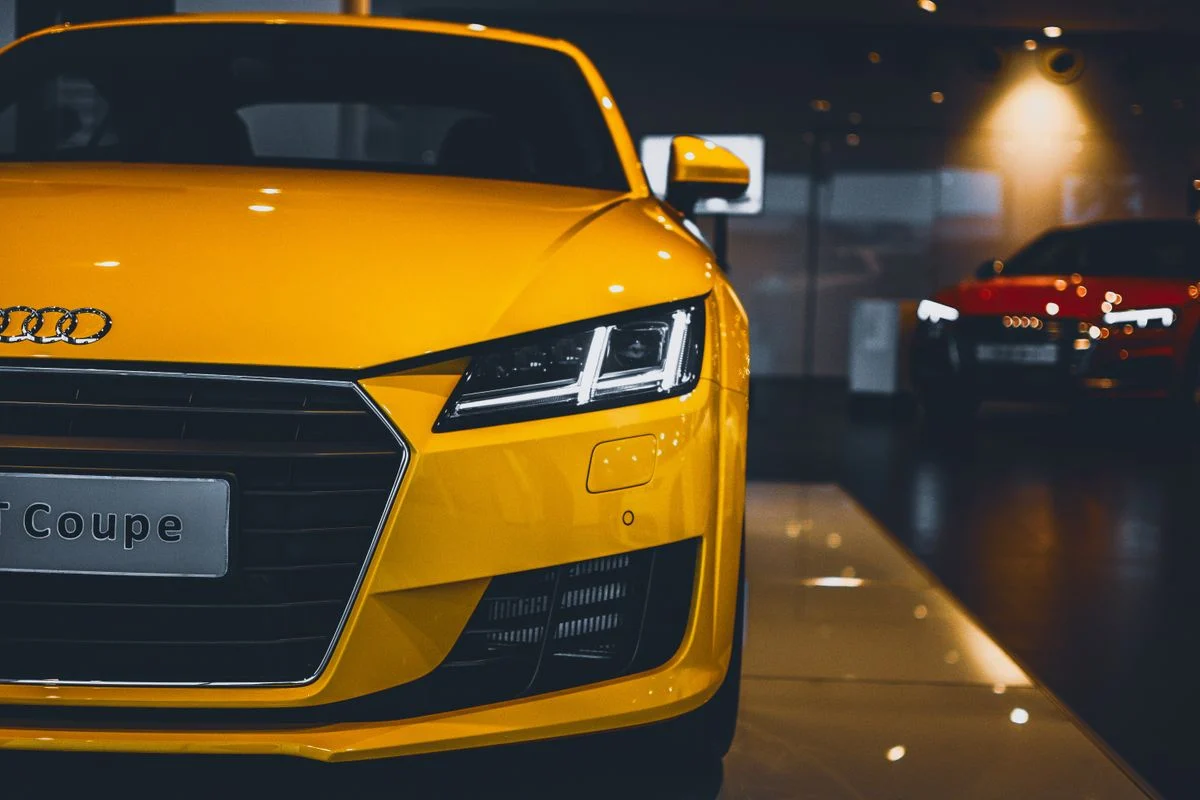
A used Li Auto L7 (EREV SUV) and a used Zeekr 001 (544 hp electric shooting brake) both land near $18,000-$22,000 in China in 2026, and they answer completely different questions. The Li Auto is for families who do not want to plan charging. The Zeekr is for buyers who want the best-driving Chinese EV under $25,000.
Searches for “used li auto for sale” and “used zeekr” both spiked this year as the first big wave of 2023 cars came off lease. Here is how they actually compare on the numbers.
What do a used Li Auto L7 and a used Zeekr 001 cost?
| Spec | Used Li Auto L7 Max | Used Zeekr 001 WE Dual-Motor |
|---|---|---|
| Year / body | 2023 / 5-seat SUV | 2022 / 5-door shooting brake |
| Powertrain | 1.5T EREV, 449 hp, AWD | Pure EV, 544 hp, AWD |
| Battery | 42.8 kWh (NMC) | 86 kWh (NMC) |
| EV range | 175 km CLTC | 536 km CLTC |
| Used price 2026 | $19,500-$23,000 | $17,500-$21,000 |
| Running cost | $0.09/km EV, $0.13/km petrol | $0.04/km |
Which one is cheaper to run over five years?
The Zeekr, by a wide margin — if you can charge at home. At 20,000 km a year, with 70% home charging and 30% public DC, the Zeekr costs roughly $800 a year in energy. The Li Auto L7 costs $1,100 on the same pattern, and $2,600 if the owner never plugs in.
Against that, the L7’s maintenance is close to an EV’s for the first 60,000 km. Oil changes every 10,000 km cost about $70 each at a dealer. It adds up to $400 a year that the Zeekr never pays.
Which one is better for a family?
The 2023 Li Auto L7 Max AWD. Rear seat space is genuinely enormous, the air suspension handles loaded trips well, and the 1.5T generator means a 700 km day requires zero planning. Its 175 km EV range covers most city weeks without petrol at all.
The trade-off: the L7 is a big, soft, heavy car. It rolls in corners and the steering is numb. Nobody buys one for the drive.
Is the Zeekr 001 better to drive?
Yes, and it is not close. A 2022 Zeekr 001 Long Range Dual-Motor WE Edition puts 544 hp through all four wheels, rides on a stiff platform, and still delivers 536 km CLTC from an 86 kWh pack. Charging at 200+ kW means 10-80% in under 25 minutes.
The weak points are real. Early 2022 cars had infotainment lag that a software update improved but did not cure, and the 20-inch tires cost $250 each. It is also 5 m long, which matters in narrow streets.
What about alternatives in the same price band?
Two worth a look. The 2024 Leapmotor C11 580 Premium Edition gives 580 km of range and a bigger boot for around $16,500, with softer dynamics but a newer car. And the 2026 Deepal S07 550 Ultra at $16,400-$17,900 brings Huawei-assisted driving and a fresh design for less money than either.
If you want a plug-in hybrid instead of an EREV, the 2025 Geely Galaxy Starship 7 EM-i 120km does the same job as the L7 for $4,000 less, in a smaller body.
What about servicing and parts for these two?
Li Auto’s EREV has an engine, a generator, a battery and two motors. That is more to maintain, and the routine service interval is 10,000 km. Air suspension on the Max trim is the most expensive wear item: $1,200-$1,800 per corner if a strut fails after 100,000 km.
Zeekr’s pure EV service is limited to coolant, brake fluid and cabin filters for the first 60,000 km. The catch is parts: Zeekr’s overseas network is smaller than BYD’s, so a body panel can take weeks. Both cars need an importer who stocks consumables before you commit.
Which one is easier to sell in three years?
Neither will be easy in a market without a local brand presence. In markets with one, the Li Auto L7 sells faster because family SUVs move quickly and EREVs avoid charging anxiety. The Zeekr 001 sells to a narrower buyer — someone who wants performance and can afford the tyres.
Plan to hold either for four to five years, and treat resale as a bonus rather than a number you count on.
Where does a used li auto for sale actually fit?
The L7 fits one buyer profile precisely: a household of four or five, 15,000-25,000 km a year, unreliable public charging, and a long weekend drive once a month. Nobody else should buy it.
Key Takeaways
- A used Li Auto L7 costs $19,500-$23,000; a used Zeekr 001 costs $17,500-$21,000 in China in 2026.
- The Zeekr 001 runs on $0.04/km versus $0.09-$0.13/km for the L7, but only if home charging exists.
- The Li Auto L7 wins on family space and 175 km of EV range with no charging anxiety.
- The Zeekr 001 is the better-driving car by a wide margin: 544 hp, 536 km CLTC, 200+ kW charging.
- Cheaper alternatives include the Leapmotor C11 at $16,500 and the Deepal S07 at $16,400-$17,900.
Related Vehicles
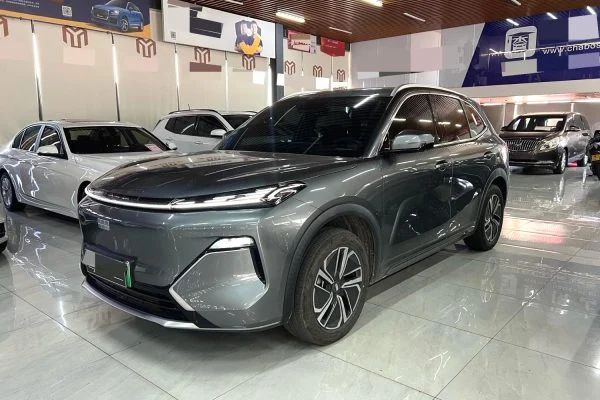
2025 Geely Galaxy Starship 7 EM-i 120km Qihang+ (2.9k km / 1.5L PHEV / 218 HP) – SUV
- 2025
- 29,000 km
- Automatic
- Plug-in Hybrid
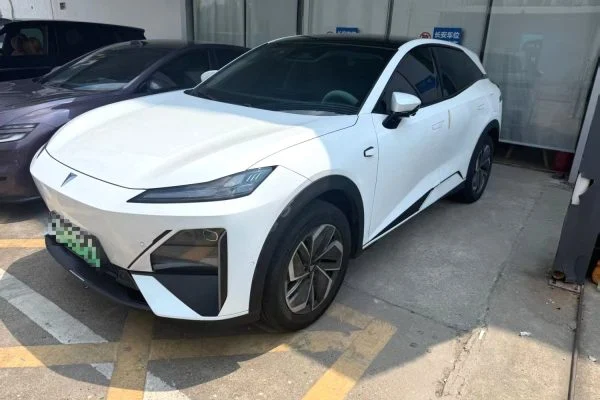
2026 Deepal S07 550 Ultra (272HP RWD / Huawei ADS SE) Electric SUV
- 2025
- 10,000 km
- Automatic
- Electric
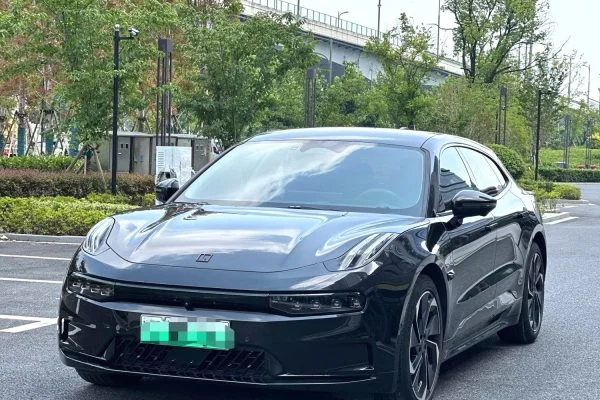
2022 Zeekr 001 Long Range Dual-Motor WE Edition for Sale – 544 hp, 536 km Range, Export Ready
- 2022
- 37,000 km
- Automatic
- Electric
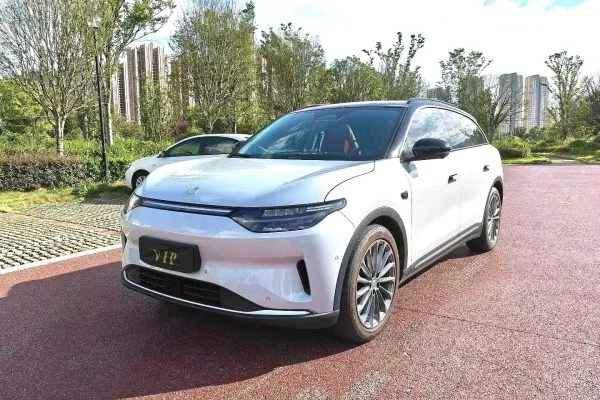
2024 Leapmotor C11 580 Premium Edition for Sale – 272 hp EV, 580 km Range, Export Ready
- 2024
- 21,000 km
- Automatic
- Electric