









Used Electric Cars for Sale in 2026: What the Listings Hide

Two used electric cars for sale at the same price can differ by $3,000 in real value, and the photos will not show you which one is which. In 2026 the deciding data is battery state of health, cell voltage spread, registration type and charge history – four numbers that almost never appear in a listing.
I have looked at a few hundred Chinese used-EV listings over the past year. The pattern is consistent: the ad sells the car’s best angle, and the four numbers that actually matter are buried in a PDF the seller sends only after you ask twice.
What do used EV listings consistently leave out?
State of health, for a start. A 2023 BYD Atto 3 with 56,000 km might be at 94% or at 86%, and both look the same in a photo under a car park light. The difference is roughly $1,500-$2,500 on a car worth $14,000.
Then registration type. Chinese registration distinguishes private (非营运) from commercial (营运) use. Ride-hailing cars sell for 15-25% less domestically for good reason: they fast-charge twice a day and run 300 km shifts.
Number 1: state of health (SOH)
SOH is the pack’s remaining capacity as a percentage of new. Ask for a photo of the diagnostic screen – not a verbal assurance. On LFP cars sold in China:
- 2 years old, under 30,000 km: expect 93-97%.
- 3 years old, 50,000-80,000 km: expect 89-94%.
- Below 88% at any age under 60,000 km: investigate before paying.
Be careful with percentage claims from dashboards that show a “battery health” bar rather than a number. Those bars are recalculated from recent driving, not from capacity testing.
Number 2: cell voltage spread
This is the one buyers forget. On a rested pack, the highest and lowest cell should be within 0.05-0.10 V of each other. Above 0.15 V there is a weak module, and that car will lose range faster than its SOH number suggests.
Ask for the screenshot with the car switched off for at least two hours. A pack measured right after a fast charge will show a spread that means nothing.
Number 3: charge history and number 4: use-nature
Some BMS units log DC fast-charge counts. A 2024 car with 18,000 km and 400 fast-charge sessions was a taxi. One with 60 fast-charge sessions was a private car.
Registration use-nature is on the licence. If the seller sends a photo of the vehicle licence, look at the field after 使用性质. 非营运 is private. 营运 is commercial. A change recorded in the last year on a high-mileage car is the tell for a re-registration job.
How does this change what you pay?
Here is a quick 2026 guide for a BYD Atto 3-class car:
| Condition | Typical FOB | Notes |
|---|---|---|
| Private, SOH 94%+, 40,000 km | $15,000-$16,000 | Best value, easiest resale |
| Private, SOH 90%, 70,000 km | $13,500-$14,500 | Fine for fleets |
| Commercial (营运), SOH 88%, 90,000 km | $10,500-$12,000 | Cheap, but expect pack work |
| Any, cell spread over 0.20 V | Avoid | Module replacement needed |
Which models are safest to buy from a listing?
High-volume LFP cars with strong diagnostics: the BYD Atto 3, the BYD Seagull, the Leapmotor T03. All three expose SOH and cell data through a standard diagnostic tool, which means a seller cannot hide much.
Newer connected cars like the XPENG P7+ are harder. Their diagnostics sit behind manufacturer tools, so verification depends on what the seller’s app shows. If you cannot get a dealer printout, price in more risk.
Key Takeaways
- SOH and cell voltage spread decide real value; neither appears in a typical listing.
- Ask for a rested-pack screenshot: spread should be under 0.10 V, and over 0.15 V means a weak module.
- Check 使用性质 on the vehicle licence for 营运 (commercial) history before negotiating.
- Same model, same photos, $3,000 apart – the difference is in the paperwork.
Related Vehicles

2022 BYD Yuan PLUS (Atto 3) 510km Flagship (204HP FWD) Electric Compact SUV
- 2022
- 56,000 km
- Automatic
- Electric
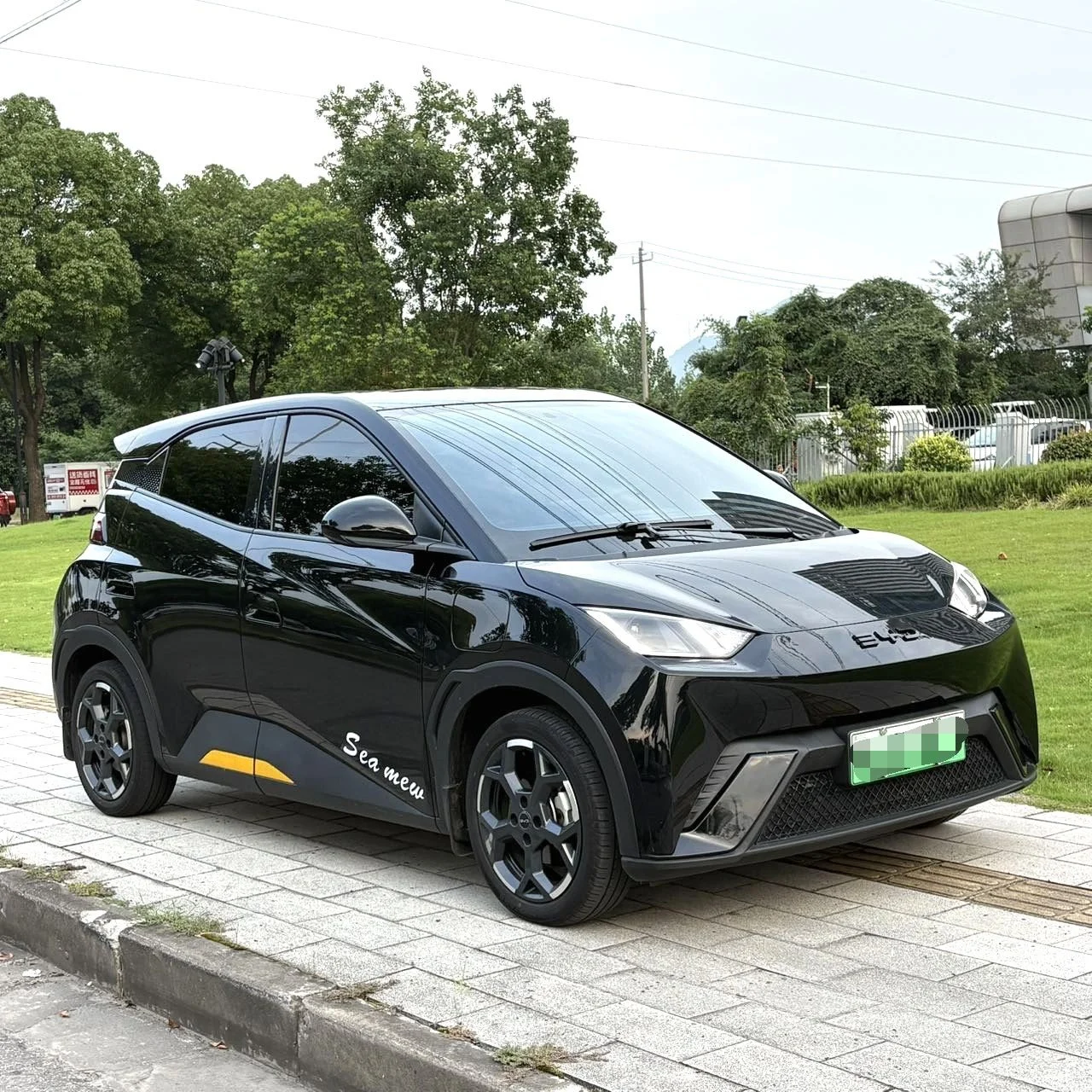
2025 BYD Seagull (Dolphin Mini) 305km Freedom Edition – Compact City EV | Ready to Ship
- 2024
- 35,000 km
- Automatic
- Electric

2024 XPENG P7+ Long Range Max (800V Platform / 615km Range) – AI Fastback Sedan
- 2026
- 16,000 km
- Automatic
- Electric
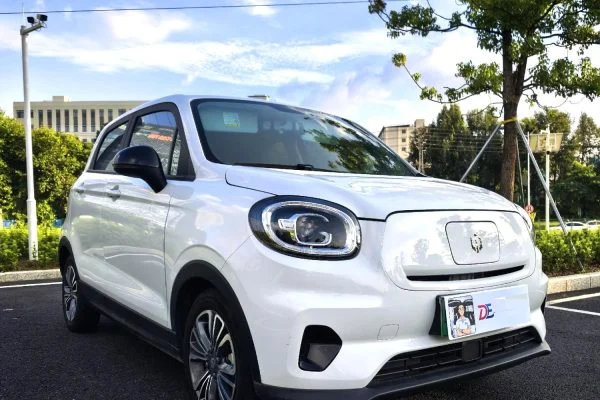
2024 Leapmotor T03 403 Comfort Edition for Sale – 109 hp EV, 403 km Range, Export Ready
- 2024
- 11,000 km
- Automatic
- Electric