


Used China EV vs Used Japanese Cars in 2026: Cost Comparison

A comparable-size used Chinese EV runs 25-35% cheaper than a used Japanese hybrid at the same age and mileage in 2026. A 2022 BYD Song PLUS EV is about $13,000 FOB China; a 2022 Toyota Corolla Cross hybrid is roughly $19,500 FOB.
That gap is real, but it is not the whole story. Running costs, parts and resale cut both ways.
How do the numbers stack up?
| Metric | Used China EV (2022) | Used Japanese hybrid (2022) |
|---|---|---|
| Price FOB China | $13,000-$18,000 | $19,000-$24,000 |
| Fuel/energy per 100 km | $2.50-$4.00 (electric) | $7.00-$9.50 (petrol) |
| Service intervals | 12 months / low wear | 6-12 months, oil + filters |
| Part availability | Growing, 2-4 week lead | Excellent, local stock |
| Resale after 3 years | 55-62% | 68-75% |
| Warranty transfer | Rarely | Often transferable |
The Chinese EV burns less to run and asks for less servicing. The Japanese car keeps more of its value and is easier to repair locally.
Why is the Chinese EV so much cheaper?
Three reasons. Domestic competition in China is brutal, with over 100 EV brands. Batteries fell roughly 40% in cost per kWh between 2022 and 2025. And Chinese buyers churn cars fast, dumping 2-3 year old stock on the used market.
That last point is the opportunity. A car with 25,000 km and a healthy pack sells for less than half its original sticker. Our Song PLUS EV stock is priced exactly that way.
Where does the Japanese car still win?
Parts and trust. In rural Africa or Latin America, a Toyota mechanic and a spare water pump are everywhere. A Chinese EV with a failed inverter control module may need a part flown from Shenzhen.
Also consider finance. Local banks in many markets will finance a Toyota without thinking. A Chinese EV from a lesser-known brand may need cash or a specialist lender.
Which one should an exporter buy?
Choose the Chinese EV if your buyer is urban, has home or depot charging, and values a lower purchase price over resale. Ride-hailing and delivery fleets fit best.
Choose the Japanese car if the destination is rural, charging is unreliable, or the buyer will resell within three years. The value retention and parts network are worth the premium.
A middle option: used Chinese PHEVs such as the BYD Qin PLUS DM-i. Short electric range for city use, plus a petrol engine for distance. It splits the difference.
What about Korean used EVs?
Korean used EVs sit between the two. More expensive than Chinese, cheaper than Japanese, with moderate parts support. In the Middle East they are a common compromise, though the range per dollar still favours China.
Key Takeaways
- Used Chinese EVs are 25-35% cheaper FOB than comparable Japanese hybrids in 2026.
- Electric running cost is $2.50-$4.00 per 100 km versus $7.00-$9.50 for petrol.
- Japanese cars retain 68-75% after three years; Chinese EVs 55-62%.
- Parts lead time is the Chinese EV’s main weakness outside major cities.
- Chinese PHEVs split the difference for mixed urban and long-distance use.
Related Vehicles
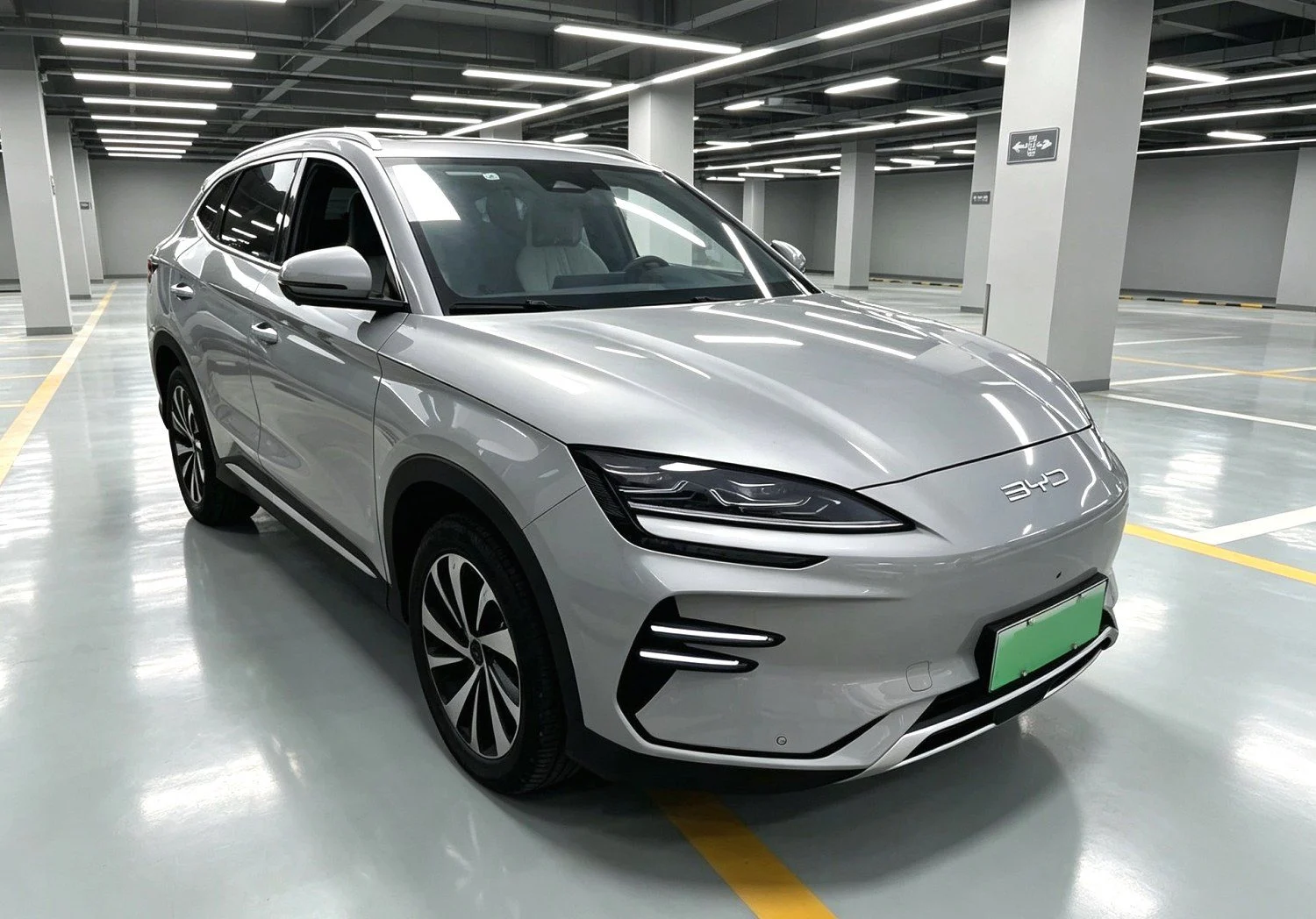
2023 BYD Song PLUS EV Champion Edition 520km Flagship (204HP FWD / Seal U) Electric SUV
- 2024
- 4,000 km
- Automatic
- Electric
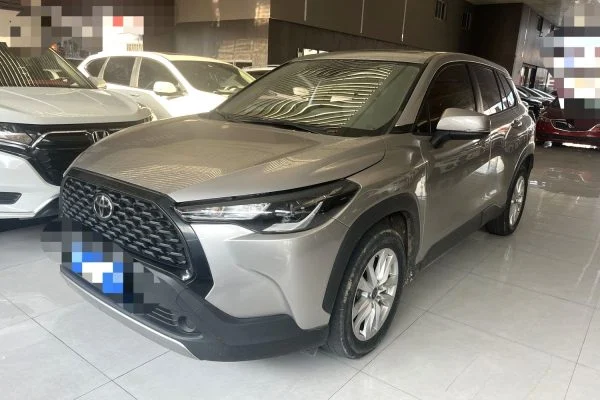
2022 Toyota Corolla Cross 2.0L Elite Edition for Sale – 171 hp Compact SUV, CVT, Export Ready
- 2022
- 27,000 km
- Automatic
- Petrol
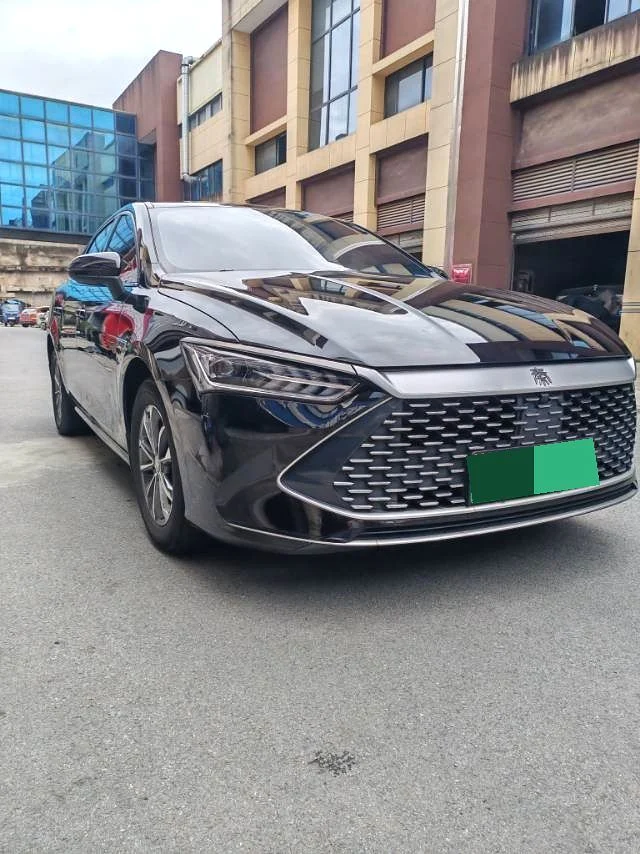
2021 BYD Qin PLUS DM-i 55KM Premium (1.5L PHEV / Blade Battery) Hybrid Sedan
- 2023
- 78,000 km
- Automatic
- Plug-in Hybrid