









Is It Worth Buying a Second-Hand Electric Car in 2026?

Yes, buying a second-hand electric car is worth it in 2026 — if the pack is above 90 percent state of health and you drive more than 12,000 km a year. Below that mileage, or below 85 percent health, the savings rarely cover the risk.
That is the whole argument in two lines. What follows is the arithmetic behind it, using real numbers from Chinese used EV listings rather than brochure claims.
How much does depreciation actually save you?
A new BYD Atto 3 in 2023 listed around $30,000 in most export markets. A 2022 Atto 3 510km Flagship with 56,000 km now trades near $15,000 FOB. That is roughly half the money for a car that is still on its original pack, with 350-400 km of real range.
The same pattern repeats up and down the market. A 2025 Deepal S07 520Max at 20,000 km costs thousands less than a new one. Even the premium end softens: a 2023 Zeekr X YOU AWD with 428 hp sells for less than half of what its first owner paid.
When does the maths stop working?
Three cases. First, low annual mileage: if you drive 6,000 km a year, the fuel saving over a petrol car is maybe $350 annually, and you will not recover the price premium an EV still carries in some markets. Second, expensive electricity: at $0.30/kWh a 20 kWh/100km car costs $6 per 100 km, which is diesel territory.
Third, and most expensive — a car whose battery is already degraded. Replacing a 60 kWh pack runs $4,000-$9,000 depending on chemistry and whether the pack is available at all. On a $15,000 car, that is a third of the value gone in one workshop visit.
What battery health figure should you insist on?
| State of health | Usable range vs new | Verdict |
|---|---|---|
| 95%+ | ~97% | Buy, near-new condition |
| 90-95% | 92-97% | Buy, normal wear |
| 85-90% | 85-92% | Negotiate 10-15% off |
| Below 85% | Under 85% | Walk away unless heavily discounted |
LFP or NMC — does it matter for a used car?
Yes, quite a lot. LFP packs (BYD Blade, most small Chinese EVs) degrade slowly and tolerate full charges. NMC packs (the 2022 GAC Aion V PLUS 80 uses NCM) offer more range per kilogram but lose capacity faster and dislike being kept at 100 percent. For a used buy with unknown history, LFP is the safer bet.
What is the real cost of ownership?
- Energy: $1.50-$4.00 per 100 km at home rates
- Service: $80-$200 a year — no oil, no filters, brakes last longer thanks to regen
- Tyres: wear 10-20 percent faster than on a petrol car; a set is $300-$600
- Insurance: often 10-20 percent above equivalent petrol models
- Resale: the weak spot — three more years on a used EV costs another 30-40 percent of value
Who should buy used, and who shouldn’t?
Buy used if you have home or depot charging, drive 15,000 km a year, and plan to keep the car five years or more. Don’t if you have no fixed charging point, drive mostly on highways at high speed, or buy as an investment. Used EVs depreciate honestly. That is exactly why they are cheap.
What is the short version?
If you only have two minutes: the cars worth your time are LFP-battery models under four years old with local parts support, and the single number that decides a good deal from a bad one is battery state of health. Anything above 90 percent is a normal used car. Anything below 85 percent needs a discount large enough to pay for a replacement pack, and those are rare. Everything else is trim, mileage and paint.
Key Takeaways
- Second-hand EVs in 2026 sell for roughly 50 percent of new price after three years.
- The maths works above 12,000 km a year with cheap charging and a battery above 90 percent health.
- Below 85 percent state of health, the car needs a 15 percent discount or more.
- LFP packs age better than NMC; check which one you are buying.
Related Vehicles

2022 BYD Yuan PLUS (Atto 3) 510km Flagship (204HP FWD) Electric Compact SUV
- 2022
- 56,000 km
- Automatic
- Electric
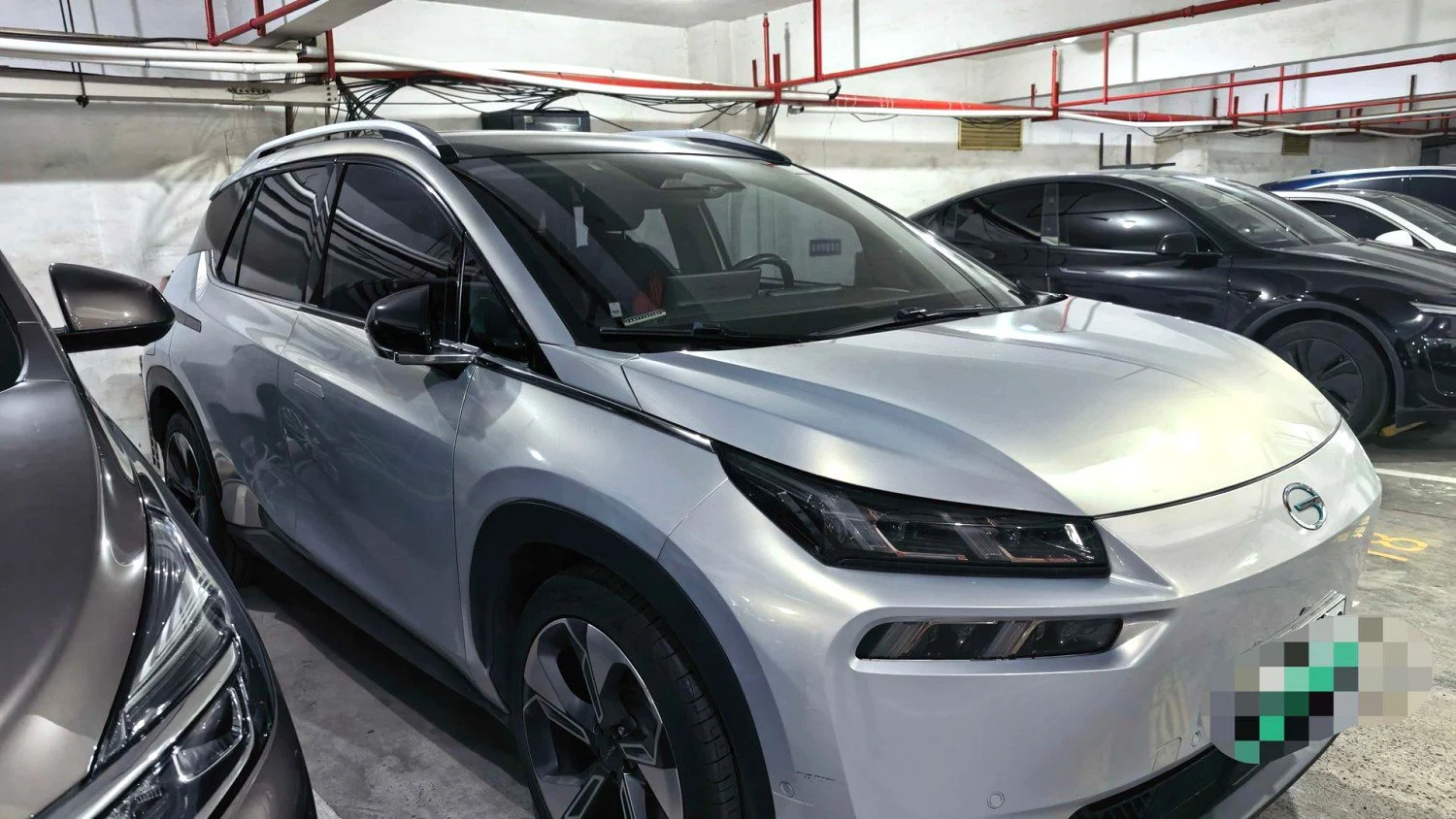
2022 GAC Aion V PLUS 80 Executive | Long Range EV – Super Value @ $28,800
- 2022
- 50,000 km
- Automatic
- Electric
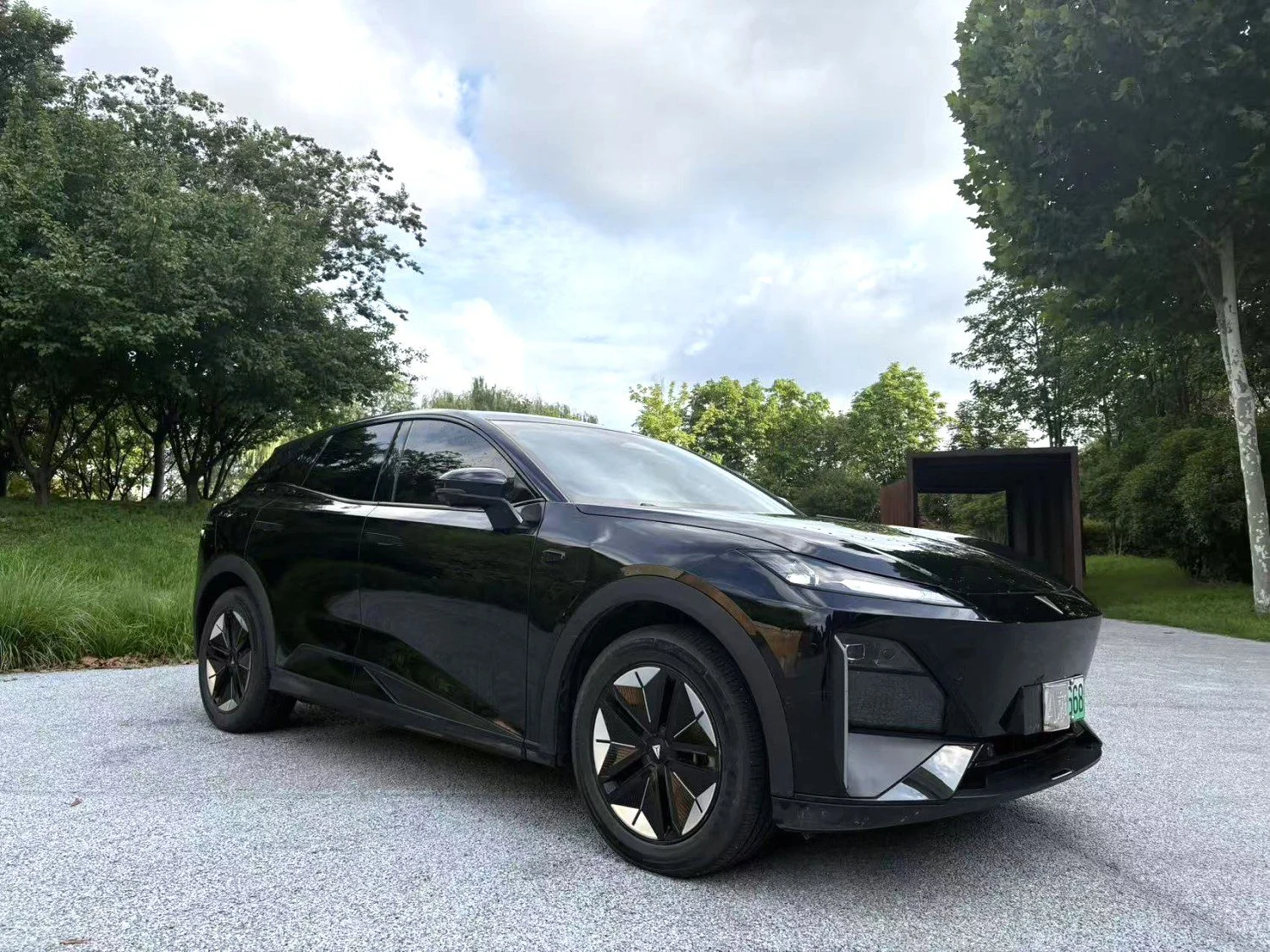
2025 DEEPAL S07 520Max EV (Huawei Qiankun ADAS SE / 218HP RWD / 20,000km) Electric SUV
- 2025
- 20,000 km
- Automatic
- Electric

2023 Zeekr X YOU Edition AWD (428HP / 4-Seater) Executive Luxury Compact EV
- 2023
- 40,000 km
- Automatic
- Electric