









Importing a Used Chinese EV Into Europe in 2026
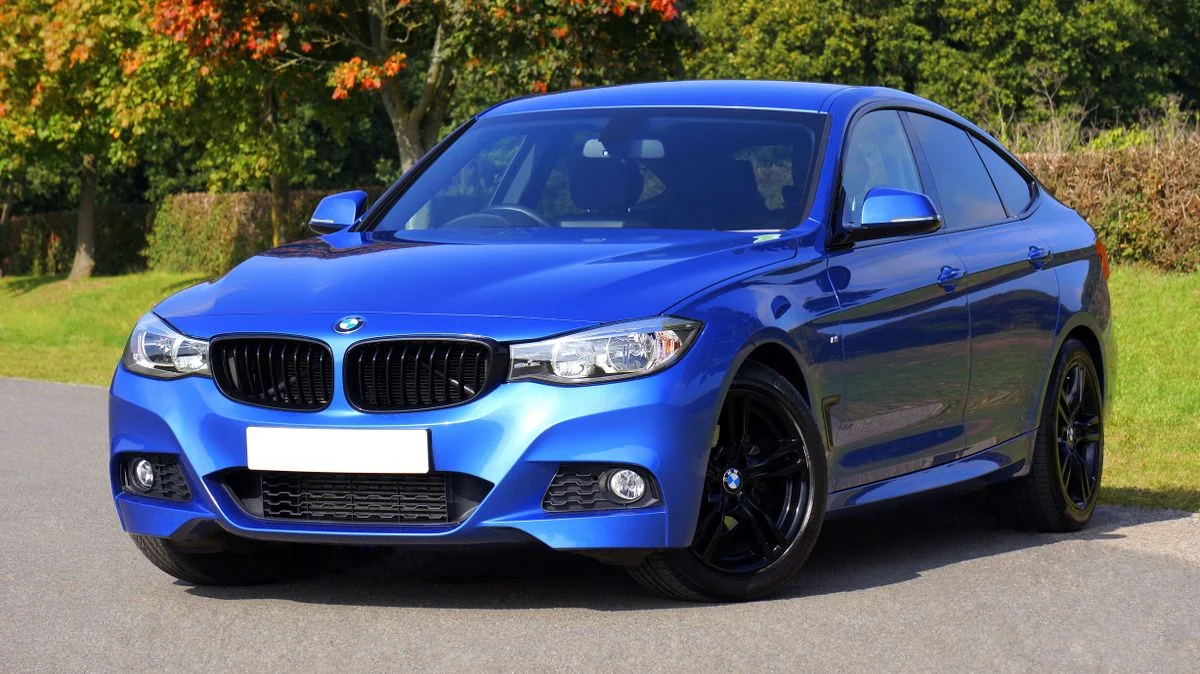
Importing a used Chinese EV into the EU in 2026 typically costs 10% import duty plus 19-27% VAT on the landed value, and the car must meet European type approval or a national individual-approval route before it can be registered.
Does a used Chinese EV need WVTA to be legal in Europe?
Not always. Full WVTA (Whole Vehicle Type Approval) is the clean path, but most used imports go through national approval instead — for example a single vehicle approval in the UK or a TÜV individual assessment in Germany. This route checks lighting, emissions compliance, brakes, seat belts and speedometer units. It is slower and costs $600-$1,500 but avoids the impossible task of retro-fitting a car to a type-approved standard it was never built to.
A petrol or hybrid car often clears national approval more easily than an EV, because there is no battery certification headache. A 2021 Audi A6L 55 TFSI quattro Zunxiang Dynamic or a 2018 Porsche Cayenne 3.0T US Spec follows a well-worn import path. For plug-in hybrids like the 2026 Lynk & Co 07 EM-P 126 Ultra, you also need to document the high-voltage system.
What does the duty and VAT bill look like?
The EU charges a 10% customs duty on imported passenger cars. VAT then applies to the CIF value (car + freight + insurance) plus duty. Rates run from 19% in Germany to 27% in Hungary. A car invoiced at $22,000 FOB with $1,800 freight lands around $26,000 CIF, duty brings it to $28,600, and 21% VAT pushes the total near $34,600 before registration and approval fees.
- Step 1: Confirm the car clears national approval or has existing EU conformity.
- Step 2: Get an export invoice, certificate of origin and customs declaration from the Chinese seller.
- Step 3: Book RoRo or container shipping — 30-45 days from Shanghai to Rotterdam.
- Step 4: Pay duty at the port, then VAT at registration.
- Step 5: Complete individual approval and swap GB/T connectors to CCS2.
What catches buyers out?
The charging connector is the most common surprise. Chinese EVs use GB/T, which no European charger accepts. A CCS2 or Type 2 conversion costs $400-$900 and needs a competent workshop. Do it in China before shipment where labour is cheap and parts are on hand.
Second: some Chinese-market software and navigation systems are region-locked and will not connect to European networks. Confirm infotainment and connected services work, or accept they are dead features. Third: headlights and rear fog lights often fail the approval check on the first pass, adding a week and a few hundred euros.
Key Takeaways
- EU imports carry 10% customs duty plus 19-27% VAT on the CIF value.
- Most used Chinese cars clear national approval, not full WVTA.
- Convert GB/T to CCS2 before shipping — it is cheaper in China.
- Budget 30-45 days shipping plus 1-3 weeks for approval and registration.
Related Vehicles
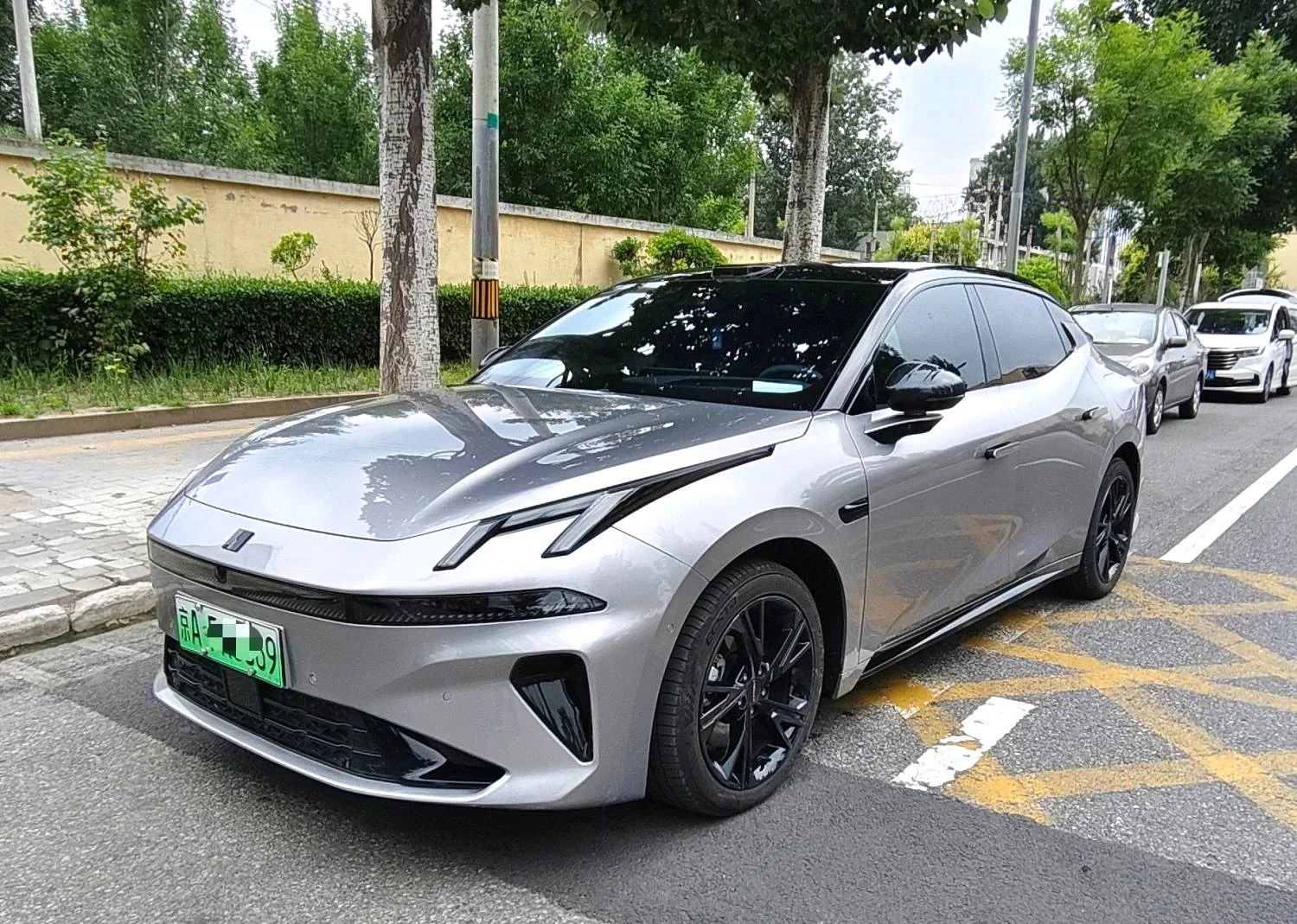
2026 Lynk & Co 07 EM-P 126 Ultra (408HP PHEV / 1450km Range) – Plug-in Hybrid Sedan
- 2026
- 13,000 km
- Automatic
- Plug-in Hybrid
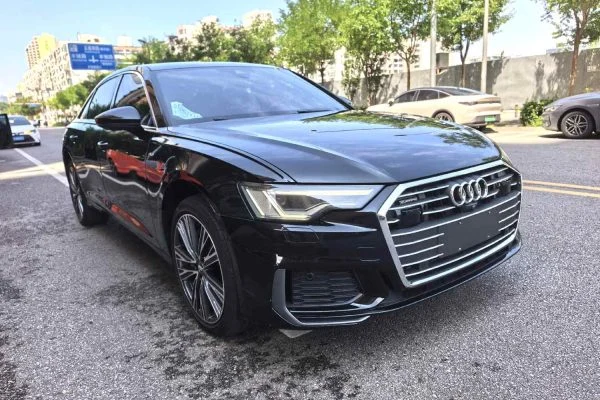
2021 Audi A6L 55 TFSI quattro Zunxiang Dynamic Edition for Sale – 340 hp V6 AWD Executive Sedan, Export Ready
- 2021
- 61,000 km
- Automatic
- Petrol

2018 Porsche Cayenne 3.0T US Spec for Sale – 340 hp AWD Luxury SUV, 8-Speed Tiptronic, Export Ready
- 2021
- 60,000 km
- Automatic
- Petrol