









China Used EV Exports to Southeast Asia: 2026 Market Data
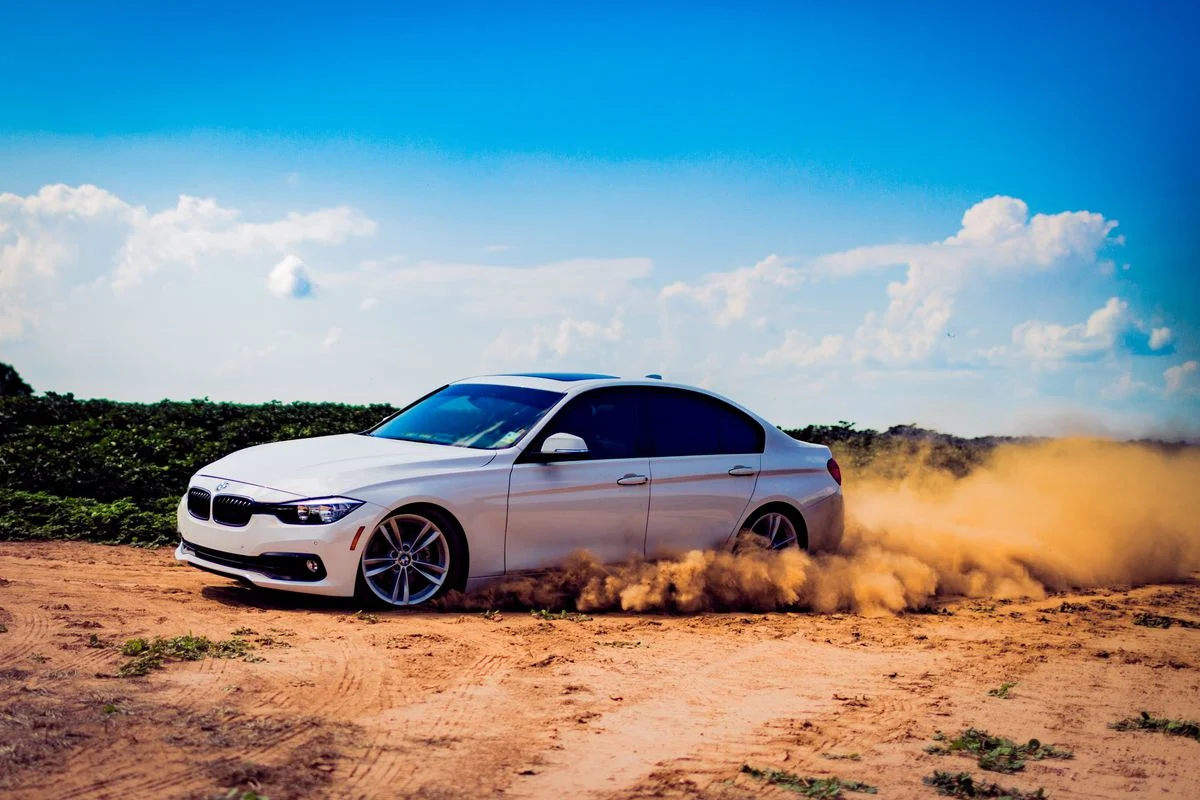
China’s used EV exports to Southeast Asia are growing fast in 2026, with mini electric cars under $10,000 FOB doing most of the volume. Thailand, Indonesia, the Philippines and Vietnam are the four markets that matter most.
The logic is simple. Southeast Asian cities are dense, trips are short, and fuel costs are high relative to income. Small Chinese EVs fit that profile far better than the large SUVs that dominate the Gulf trade. Buyers here care about purchase price and charging cost, not badge prestige.
Which models dominate the Southeast Asian trade?
- Changan Lumin 301km Mitian — 48 hp city car, around $5,500-$7,500 FOB
- Wuling Bingo 333km Enjoy — 68 hp hatchback, around $7,000-$9,500 FOB
- Baojun Yep Zhizun — boxy mini SUV, around $8,000-$10,500 FOB
- Hongqi E-QM5 — larger sedan, used mainly for ride-hailing fleets
What is driving the demand in 2026?
Three forces. First, Chinese domestic prices for used EVs fell sharply, so FOB quotes are competitive against Japanese used hybrids. Second, several Southeast Asian governments now offer EV import incentives. Third, ride-hailing apps in Bangkok and Jakarta are electrifying fleets and want cheap, serviceable cars.
Thailand’s EV3.5 package and Indonesia’s nickel-driven EV push both reduce landed cost for imported electric cars. Vietnam is stricter, with a young used-car market and higher registration fees.
What are the rules you must check?
- Thailand: used EV imports face higher duty than new; check the current excise band.
- Indonesia: left-hand drive is required, matching Chinese stock.
- Philippines: age limits and right-hand drive rules apply in some regions.
- Vietnam: registration and luxury tax thresholds change often.
Drive side is the single most common deal-breaker. Indonesia, Vietnam and the Philippines (mostly) use LHD, which works with Chinese cars. Thailand, Malaysia and Singapore require RHD, which Chinese stock usually is not.
Is the margin still there for importers?
For mini EVs, yes — but thinner than two years ago. As more exporters crowd in, FOB prices have risen and local resale prices have softened. Importers who add value through service, charging setups or fleet contracts earn more than pure arbitrage traders. Those who simply flip containers now work on single-digit margins.
Key Takeaways
- Southeast Asia is a fast-growing destination for Chinese used EVs.
- Mini EVs under $10,000 FOB drive most of the volume.
- Thailand, Indonesia, the Philippines and Vietnam are the key markets.
- Left-hand drive limits which countries you can serve.
- Pure arbitrage margins are compressing; service adds value.
Related Vehicles
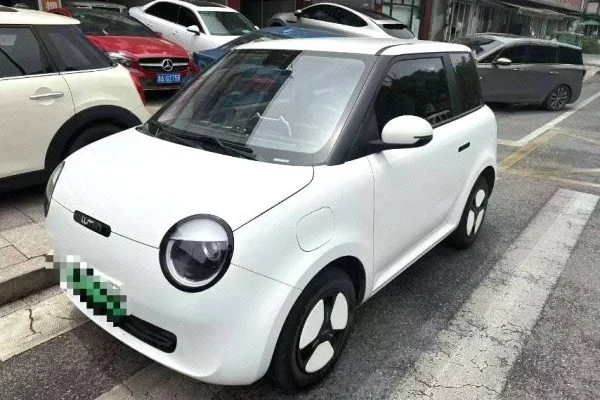
2022 Changan Lumin 301km Mitian Edition (35kW / 48HP) Mini Electric City Car
- 2022
- 18,000 km
- Automatic
- Electric

2024 Wuling Bingo (Binguo) 333km Enjoy Edition (50kW / 68HP) Electric Hatchback
- 2024
- 60,000 km
- Automatic
- Electric
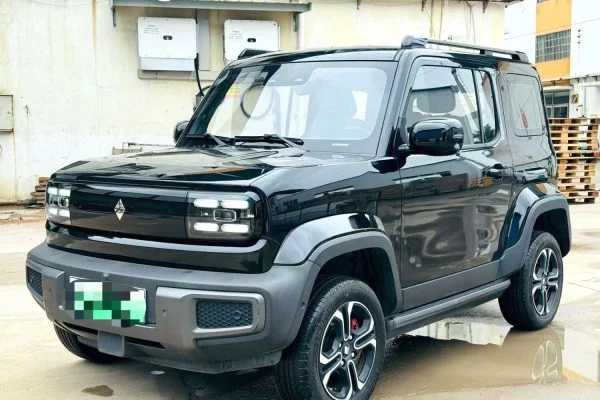
2024 Baojun Yep Zhizun Edition for Sale – 303 km Range, 68 hp EV, Export Ready
- 2024
- 15,000 km
- Automatic
- Electric

2022 Hongqi E-QM5 431km Charging Edition (100kW / 136HP / FWD) Electric Executive Sedan
- 2022
- 30,000 km
- Automatic
- Electric