









How to Check a Used EV Battery Before Buying From China

To check a used EV battery, demand three things: a BMS diagnostic scan showing state of health, the reported cycle count, and the cell voltage spread. A single “95% battery health” claim on a listing means nothing without the raw scan behind it.
Battery state decides whether a used EV is a bargain or a paperweight. Replace a degraded pack on a compact EV and you may spend more than the car is worth. So the health document matters more than the mileage, more than the trim, more than the paint.
What does a proper battery health report contain?
A usable report has hard numbers, not adjectives. Insist on these:
- State of Health (SOH) — remaining capacity as a percentage of new. Under 85% on a five-year-old car needs a discount.
- Cycle count — a 300 km car with 800 cycles has done 240,000 km of battery work, whatever the odometer says.
- Cell voltage spread — a healthy LFP pack holds cells within about 30 mV at rest. Wide spread signals a weak module.
- Fast-charge history — constant DC fast charging degrades cells faster than slow charging.
Why do LFP and NMC batteries need different expectations?
LFP packs — like the one in the 2024 Leapmotor T03 403 Comfort — are rated for 3,000+ cycles and tolerate being charged to 100% daily. NMC packs prefer an 80% ceiling and degrade faster under heat. On a used Geely Emgrand GSe 500, which uses an older chemistry, a 2019 pack showing 88% SOH is roughly normal. On a 2024 LFP car, 88% would be a red flag.
Range claims need translating too. The BAIC BJEV EU300 is rated at 300 km CLTC. Real-world city driving in mild weather will give you 220–250 km. Cold weather will cut that further. Treat the marketing range as a ceiling, not an expectation.
What if the seller has no battery report?
Then you are buying a lottery ticket, and you should price it like one. Two options: pay for an independent inspection at the Chinese end before shipping, usually $80–$200 and worth every cent on a car over $10,000, or build a discount into your offer that reflects the risk. Sellers who refuse an inspection on a cheap car are telling you something.
One more caution. Third-party battery apps and seller screenshots are trivially edited. Ask for the scan to be run live on a video call, with the car’s VIN visible. It takes ten minutes and removes most of the fraud risk.
Who should walk away?
Walk away if the car is a high-mileage EV with no SOH data and a price that only works if the battery is healthy. Walk away if the seller blocks a pre-shipment inspection. And walk away from any deal where the battery warranty cannot be documented in writing — even if the car itself looks perfect.
Key Takeaways
- Demand a BMS scan with SOH, cycle count and cell voltage spread.
- LFP packs (like the Leapmotor T03’s) outlast NMC packs in cycle terms.
- Independent pre-shipment inspection costs $80–$200 and is worth it above $10,000.
- Treat CLTC range as a ceiling; expect 20–30% less in real use.
Related Vehicles
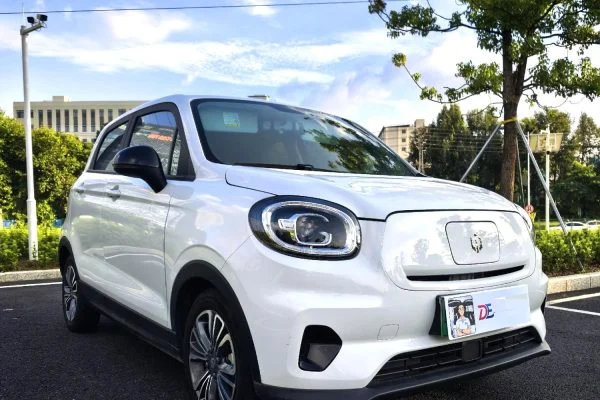
2024 Leapmotor T03 403 Comfort Edition for Sale – 109 hp EV, 403 km Range, Export Ready
- 2024
- 11,000 km
- Automatic
- Electric
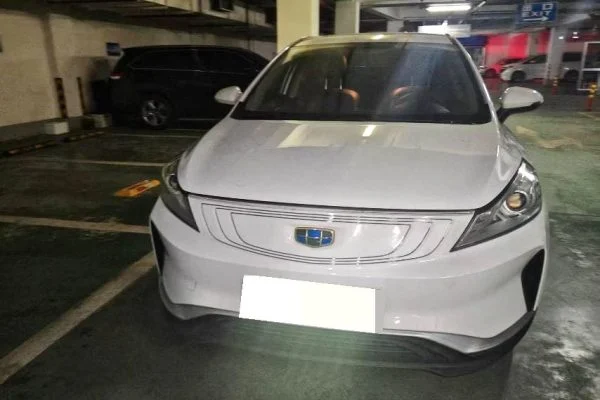
2019 Geely Emgrand GSe 500 Lingshang Edition for Sale – 163 hp EV, 400 km Range, Export Ready
- 2020
- 64,000 km
- Automatic
- Electric
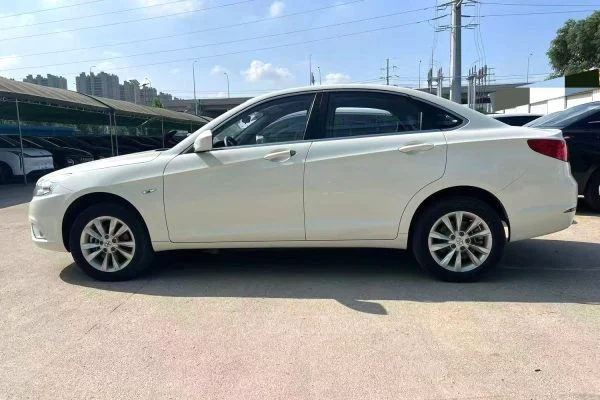
2019 BAIC BJEV EU300 EV for Sale – 136 hp Electric Sedan, 300 km Range, Export Ready
- 2021
- 51,000 km
- Automatic
- Electric