


Chery, Changan and GWM Used EVs for Africa in 2026

Used Chinese EVs from Chery, Changan and GWM sell for $8,000-$25,000 FOB China in 2026, and Africa is their fastest-growing destination. The reason is simple: they are cheap, they tolerate rough roads, and several run on petrol as well as battery.
Africa’s EV story is different from Europe’s. Charging is sparse outside major cities, import duty varies wildly by country, and buyers care more about durability and running cost than about autonomous driving. Chinese used stock fits that reality better than many European models.
Which used Chinese EVs suit African buyers?
Three types work well, depending on country and use:
- City EVs for dense urban fleets: the Changan Lumin at $6,000-$7,500 and the Geely Panda Mini at $7,200-$8,500 are cheap to run and easy to park.
- Hybrids for mixed roads: the GWM Tank 400 Hi4-T PHEV handles rough terrain and can run on petrol where no charger exists.
- Long-range EVs for intercity: the GAC Aion V PLUS 80 offers 500 km range for about $13,000-$16,000.
Why do hybrids dominate African demand?
Because charging infrastructure is the bottleneck. In 2026, most African markets outside South Africa, Morocco and Egypt still have thin public charging. A plug-in hybrid removes that worry — drive on electric in the city, switch to petrol between towns. That is why GWM’s Hi4-T models and small EREVs outsell pure EVs on the continent.
Grey-import markets like Nigeria, Kenya and Tanzania also prefer models with simple mechanicals that local workshops can service. Chinese hybrids are easier to keep running there than complex European EVs.
What do import duties and rules look like?
They vary sharply. Kenya and Nigeria levy vehicle import duty based on age and engine size, and EVs sometimes get reduced rates to encourage adoption. South Africa, Morocco and Egypt have more developed EV incentives but stricter certification. Always confirm the HS code and duty band before buying.
One practical tip: shipping to Mombasa or Durban costs less than to landlocked destinations, where inland transport can add $1,000-$2,500 per car.
What are the biggest risks?
Battery health on used units, and parts supply. A degraded pack on a city EV is a $3,000-$5,000 problem, and replacements must come from China. Before buying, demand a BMS health report and check that the model has an aftermarket parts channel into your country.
Also confirm which charging plugs the car uses. Most Chinese EVs ship with GB/T connectors, so you will need an adapter or a socket conversion for local Type 2 or CCS networks. Budget $200-$500 per car for that.
Should African buyers import used Chinese EVs?
Yes, for urban fleets, ride-hailing and second cars where charging is available. Yes, especially for hybrids on mixed roads. No, if you plan long rural journeys with no charging and no petrol backup, or if local duty makes the landed price uncompetitive against a locally sold used petrol car.
The economics are strongest for fleets. Ten city EVs working daily can undercut petrol running costs enough to pay back the import premium within two to three years, provided the packs stay healthy.
Key Takeaways
- Used Chinese EVs for Africa cost $8,000-$25,000 FOB China in 2026.
- Plug-in hybrids outsell pure EVs because charging is sparse.
- City models like the Changan Lumin run $6,000-$8,500.
- GB/T charging plugs need adapters for local Type 2 or CCS networks.
- Fleets see the strongest payback; verify battery health first.
Related Vehicles
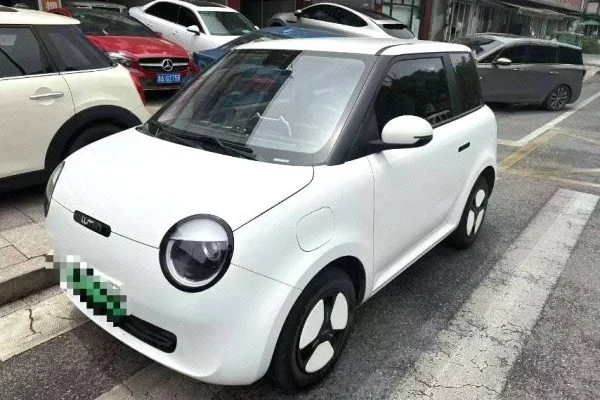
Changan Lumin 2022, 301 km, edición Mitian (35 kW / 48 CV), mini coche eléctrico urbano
- 2022
- 18.000 km
- Automatic
- Electric

SUV todoterreno de lujo GWM Tank 400 Hi4-T 2.0T Ultra (2023) (408 HP, PHEV / tracción a las cuatro ruedas)
- 2023
- 39.000 km
- Automatic
- Plug-in Hybrid
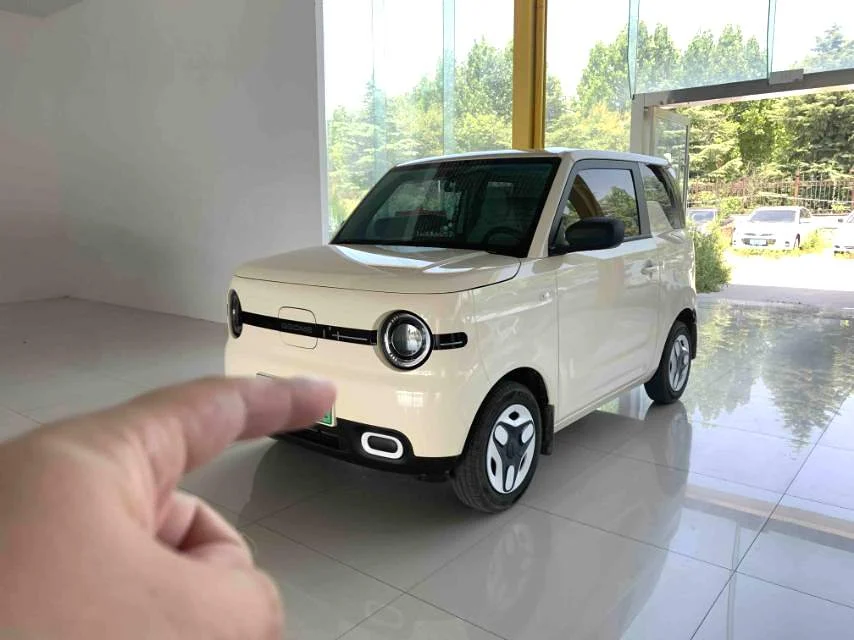
Geely Panda Mini EV 2025 (autonomía de 210 km / carga rápida de 22 kW), coche eléctrico urbano
- 2025
- 9.000 km
- Automatic
- Electric