









Importing a Used Chinese EV to the EU in 2026: WVTA Explained

To register a used Chinese EV in the EU in 2026 you need either a valid EU whole-vehicle type approval (WVTA) or an individual national approval; if the model lacks WVTA, budget $2,000-$6,000 and 4-16 weeks.
Europe is the strictest major destination for a used Chinese EV. The paperwork matters more than the car. A model that is already sold in the EU has approval on file and imports smoothly. A China-only model does not, and that changes the whole deal.
Which Chinese EVs already have EU approval in 2026?
Brands with an EU sales presence carry WVTA for the models they sell there. BYD, Zeekr, Lynk & Co, GWM and Xiaomi have varying coverage. A 2024 Xiaomi SU7 is the tricky case — Xiaomi’s EU rollout is still limited, so approval status varies by model year. The Zeekr 007 GT sits on a platform Zeekr already sells in Europe, which helps.
- Already EU-approved: most BYD, Zeekr and Lynk & Co models sold in Europe
- Partial or case-by-case: Xiaomi, AITO, Li Auto
- Likely individual approval: China-only brands and older models
What does WVTA versus individual approval cost?
If the model has WVTA, you produce the certificate of conformity and register normally. Cost: a fee, often under $200. If it does not, you or an importer must arrange an individual approval through a national authority. That involves a technical inspection, emissions checks and possibly a modified headlight or speedometer. Realistic cost is $2,000-$6,000, plus 4-16 weeks.
This is the line item that turns a $29,000 car into a $35,000 car. Always ask the seller for the certificate of conformity before paying a deposit.
What duties and taxes apply?
The EU charges 10% import duty on the CIF value of a used car. Then each member state adds VAT: 21% in the Netherlands, 19% in Germany, 22% in Italy, 25% in Denmark. VAT is charged on CIF plus duty, not on the FOB price. A $29,000 FOB car with $1,700 freight becomes roughly $45,000 registered in the Netherlands.
What else can delay a European import?
Three things. Charging connector standards — most Chinese EVs use the domestic GB/T port, so you need a Type 2 or CCS2 retrofit or an adapter. Confirm which the car has. Second, the vehicle’s software and navigation region. Third, the CO2 or efficiency data needed for registration, which some China-market models do not publish.
Sort the connector question first. It affects every day of ownership, unlike the approval, which is one-time. Buyers who skip it end up paying $500-$1,200 for a retrofit they did not budget for.
Key Takeaways
- Requirement: an EU WVTA or an individual national approval is mandatory to register.
- Cost: approved models cost a small fee; unapproved models cost $2,000-$6,000.
- Duty: 10% on CIF value across the EU, plus national VAT of 19-25%.
- Timing: approval adds 4-16 weeks; plan door-to-door at 3-6 months.
- Check: confirm the charging connector (GB/T vs CCS2) before buying.
Related Vehicles
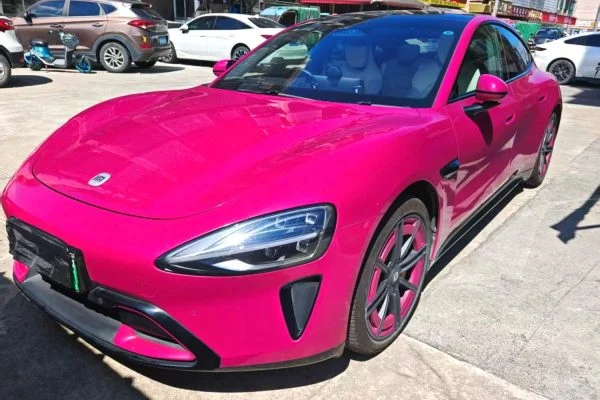
2024 Xiaomi SU7 Founder Edition RWD (299HP / 700km Range) Electric Sedan
- 2025
- 50,000 km
- Automatic
- Electric
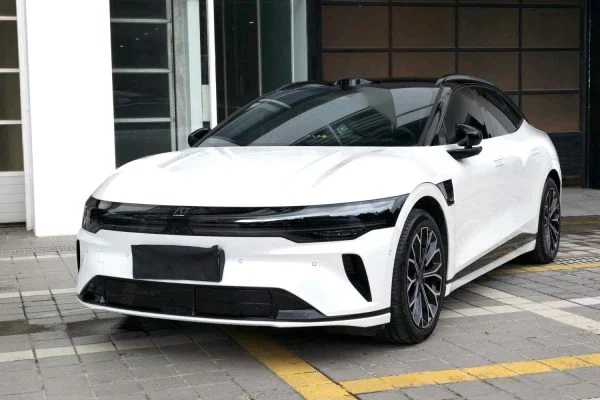
2025 Zeekr 007 GT RWD Smart Drive (422HP / 75kWh / 800V) Electric Sedan
- 2025
- 22,000 km
- Automatic
- Electric
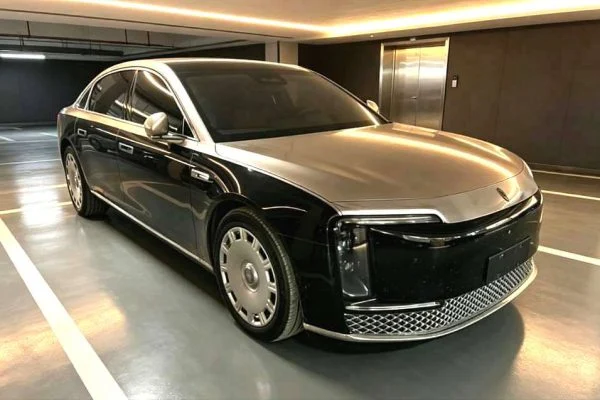
2025 MAEXTRO S800 Xinghui AWD (523HP / Huawei ADS 3.0) Luxury Executive Sedan
- 2025
- 21,000 km
- Automatic
- Electric