









Best Used Electric Cars to Buy in 2026 Under $20,000
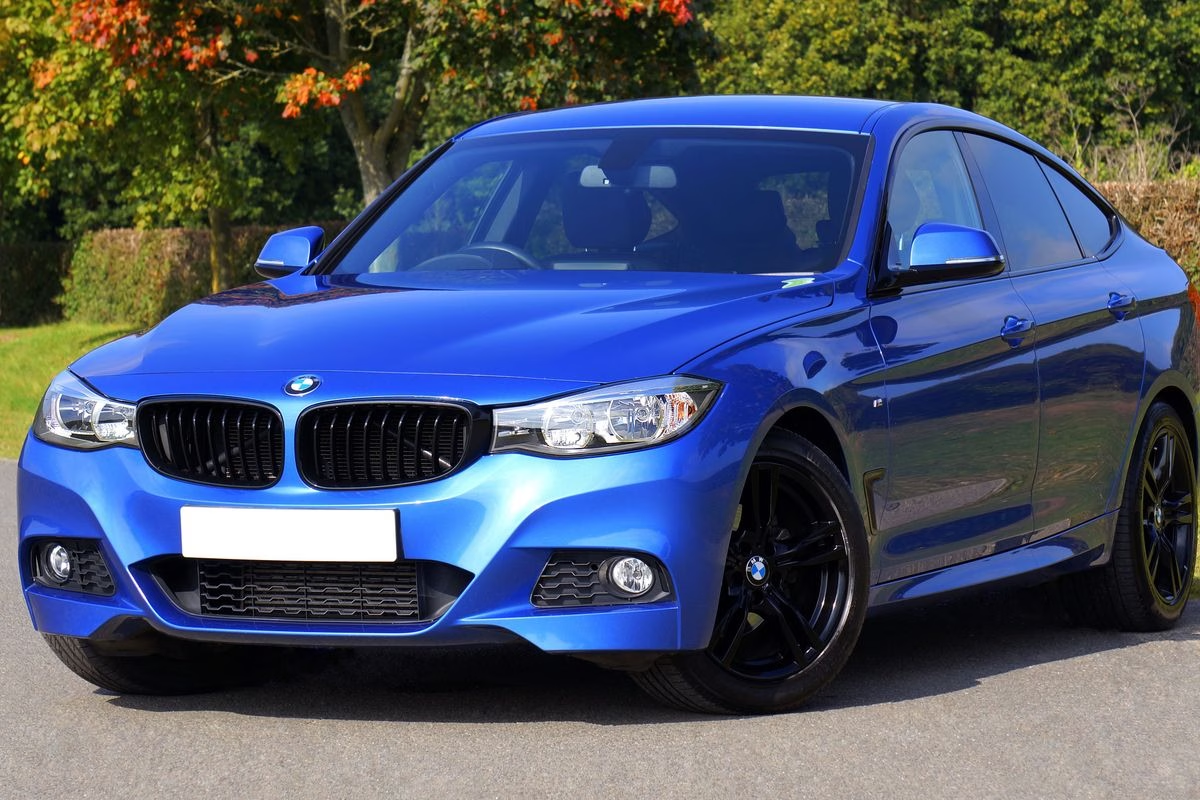
The best used electric cars to buy in 2026 sit between $9,000 and $19,500 FOB out of China. Five models earn that label: BYD Seagull, Chery eQ1, Geely Xingyuan, Geely Galaxy E5 and Zeekr 007 GT.
Every one of them is a factory-built EV, not a converted petrol car. All five use LFP or Blade-family chemistry, which is the single biggest reason they are still viable at this price instead of being scrap.
Which cheap used EV should you actually buy?
Depends on how many people you carry and how far you drive in a day. The table below is the honest version, not the brochure version.
| Model | Battery | Rated range | Realistic range | FOB price | Buy it if |
|---|---|---|---|---|---|
| BYD Seagull | 30.08 kWh | 305 km | 200-220 km | ~$8,500 | You want the cheapest reliable city car |
| Chery eQ1 | 29.23 kWh | 321 km | 210-230 km | ~$9,000 | You need something tiny and parkable |
| Geely Xingyuan | 30-40 kWh | 310 km | 210-240 km | ~$9,800 | You want five doors and RWD |
| Geely Galaxy E5 | 60 kWh class | 530 km | 370-400 km | ~$16,900 | You need a real family SUV |
| Zeekr 007 GT | 75 kWh | 700+ km | 480-520 km | ~$19,500 | You want 800V charging and speed |
Why do BYD Seagull and Chery eQ1 dominate the under-$10k bracket?
Because they are the two cheapest cars in China that were designed as EVs from a blank sheet. The Seagull has 12,000 km on a 2025 unit and a 30.08 kWh Blade pack, and it is still the reference point for “how little can a usable EV cost”.
The catch is acceleration and comfort. The Seagull makes 75 hp; the eQ1 makes 36 kW, which is 48 hp. Neither will merge onto a fast motorway comfortably with four adults aboard. They are city cars and should be bought as city cars.
Where they win is parts and simplicity. No turbocharger, no dual-clutch gearbox, no complex thermal management. A Seagull’s whole drivetrain has fewer moving parts than a petrol car’s gearbox alone. For a fleet buyer in a market with thin technician coverage, that is the whole argument.
Is the Geely Xingyuan the better buy at $9,800?
For most private buyers, yes. It gives you five doors instead of three, rear-wheel drive, multilink rear suspension and a 70-litre front boot — none of which the Seagull has. Geely shipped over 700,000 Xingyuans in 2025, so it is now the best-selling vehicle in China across all categories.
The risk: volume models get facelifted fast, and early 2025 trims already differ from 2026 ones in screen size and driver-assist hardware. Check the trim badge before you compare prices.
Where does the $17k-$20k tier stop making sense?
At about $20,000. Above that number you are competing with used Korean and Japanese EVs that have local dealer networks, and the Chinese price advantage shrinks to shipping costs.
Below $19,500, though, the Zeekr 007 GT is a strange bargain: 75 kWh, 800V architecture, 422 hp, 5.0 seconds to 100 km/h. Nothing European at that money charges that fast. The trade-off is that Zeekr’s service footprint outside China is thin, so a body panel is a long wait.
What nobody tells you about buying a used EV in 2026
- Ask for the SOH number, not the mileage. Mileage tells you almost nothing about a battery.
- Budget 8-12% of purchase price for a first-year maintenance catch-up, especially tyres and brake fluid.
- Rated range is not a promise. Knock 30% off in winter, 35% off at motorway speed.
- A car with a full factory service history in China is worth $400-$700 more than an identical one without. Pay for the history, not the paint.
Key Takeaways
- Under $10,000 FOB: BYD Seagull, Chery eQ1, Geely Xingyuan. All city cars, all around 200-240 km of real range.
- $15,000-$17,000: Geely Galaxy E5 — the cheapest genuinely useful family EV in this market.
- $19,500: Zeekr 007 GT, 800V and 422 hp, with weak service coverage abroad.
- Above $20,000 the Chinese price edge disappears against local used stock.
Related Vehicles
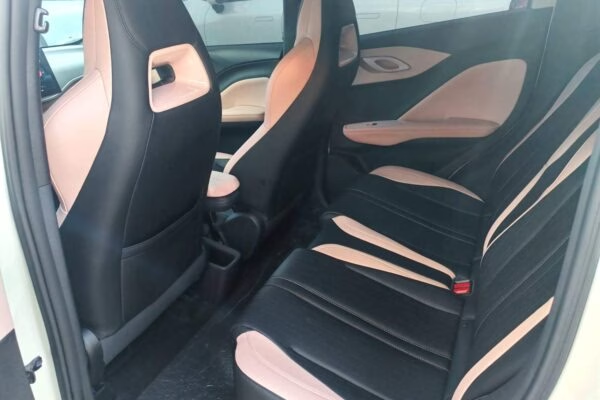
2025 BYD Seagull Vitality Edition 305km EV (75 HP) – 12,000 km, Beige over Blue
- 2025
- 12,000 km
- Automatic
- Electric
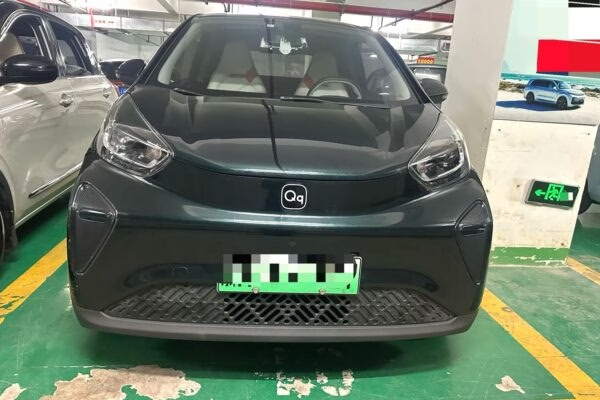
2024 Chery eQ1 (Little Ant) 321 km Zhong’ai Edition – 13,000 km, Jinhua, FOB Ningbo
- 2024
- 13,000 km
- Automatic
- Electric

2025 Geely Geome Xingyuan 310km Youth Edition (58kW RWD / Flyme Auto) Compact EV
- 2025
- 18,000 km
- Automatic
- Electric

2026 Geely Galaxy E5 530km Exploration Edition (218HP FWD / EX5 / Aegis Blade Battery) Electric SUV
- 2025
- 15,000 km
- Automatic
- Electric