









Used EV vs New EV in 2026: Is the Discount Worth It?
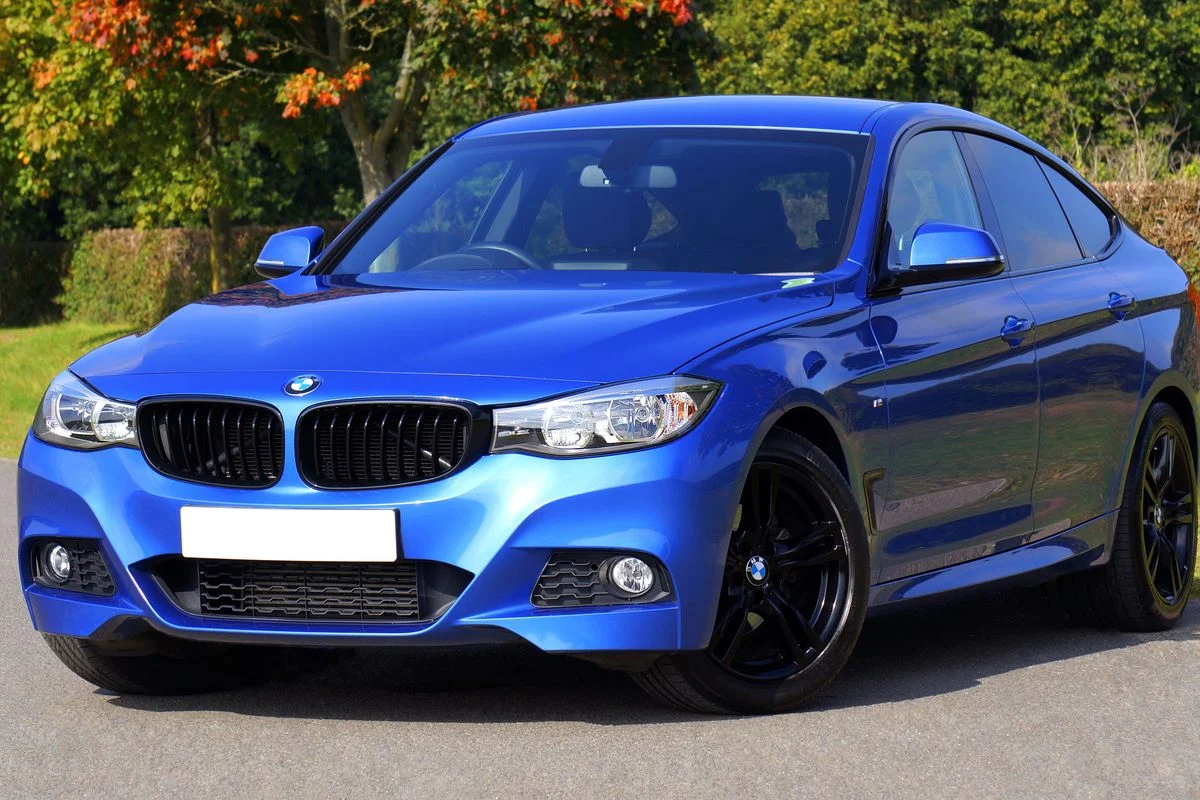
Used vs new EV in 2026 comes down to one number: Chinese EVs lose 40-55% of their value in the first two years. Buying at the bottom of that curve is the single largest saving available to a buyer — larger than any tax incentive.
New cars still win in specific cases. Most buyers, though, should not pay it.
How much does a new EV lose in two years?
On Chinese domestic models, 40-55%. A 2023 BYD Song PLUS EV that listed near 200,000 CNY now trades around 95,000-110,000 CNY. The 2023 Song PLUS EV with 40,000 km on our lot sits exactly in that band.
Compare Europe: a two-year-old ID.4 or e-Niro typically retains 60-65%. The Chinese market discounts harder because supply outran demand and because model-year refreshes arrive every 12 months.
What do you actually give up buying used?
- Battery capacity. Maybe 5-10% in two years, which for a 78.5 kWh pack is 4-8 kWh.
- The newest software. Some OTA features are model-year gated.
- Warranty length. But an 8-year/160,000 km battery warranty is mostly still there.
- Choice. You buy what exists, not what you want.
What you do not give up: safety rating, charging speed, or the driving experience. A 2023 car and a 2026 car of the same model drive almost identically.
When does new still make sense?
Three situations. If you need the longest warranty available — some markets only honour a full term to the first owner. If the newest driver-assistance hardware matters to you, because 2024-2026 Chinese EVs jumped a generation in ADAS. Or if the model you want simply has no used supply in your market yet.
There is also a soft case: if you plan to keep the car ten years, the first-owner depreciation matters less, and buying new means you control the break-in.
What is the real total cost gap?
Take a compact electric SUV. New at $30,000, two-year-old with 40,000 km at $17,000. Over five years of ownership the used car costs about $3,400 a year in depreciation; the new one costs $3,000 a year once you account for the longer remaining life.
Almost identical. The advantage of used is cash flow and risk: you put $13,000 less at stake, and the money you save can sit in an account earning 4%.
Which used cars carry the least risk?
LFP-battery models with 30,000-60,000 km and documented history. Examples: the 2024 Leapmotor C11 at 21,000 km, the 2023 Tesla Model 3 Highland at 60,000 km, the 2023 Atto 3 Champion Edition.
Avoid the sweet-looking middle: a 2022 car with 90,000 km at 60% of new price. You paid for depreciation that has already happened and you still inherit the wear.
Key Takeaways
- Chinese EVs lose 40-55% of value in two years — far more than European equivalents at 35-40%.
- A two-year-old car retains most of its 8-year battery warranty while costing roughly half.
- Total five-year cost is close; used wins on risk and cash flow, not on raw depreciation.
- Buy at 30,000-60,000 km with LFP chemistry; skip high-mileage cars priced at 60% of new.
Related Vehicles
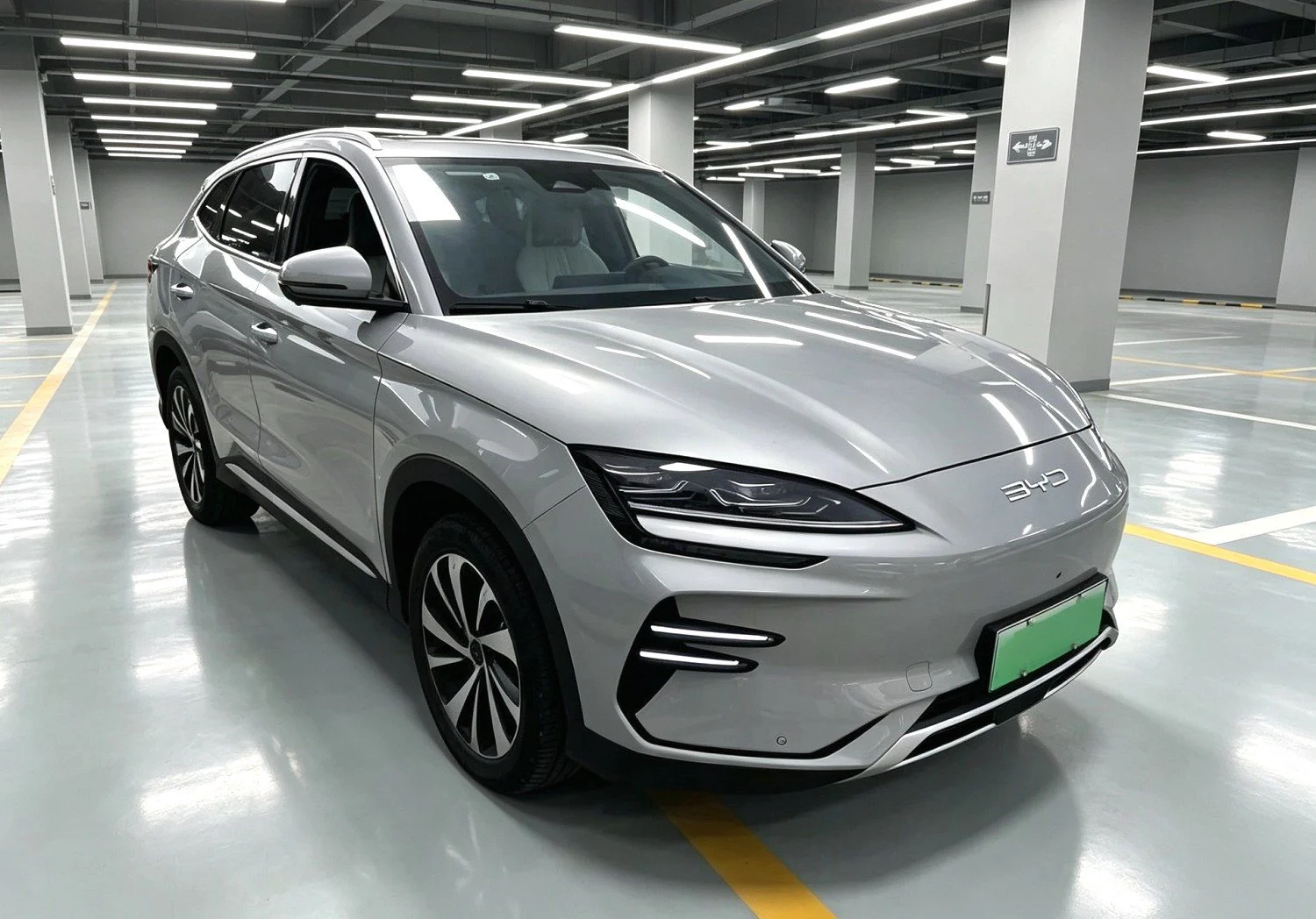
2023 BYD Song PLUS EV Champion Edition 520km Flagship (204HP FWD / Seal U) Electric SUV
- 2024
- 4,000 km
- Automatic
- Electric
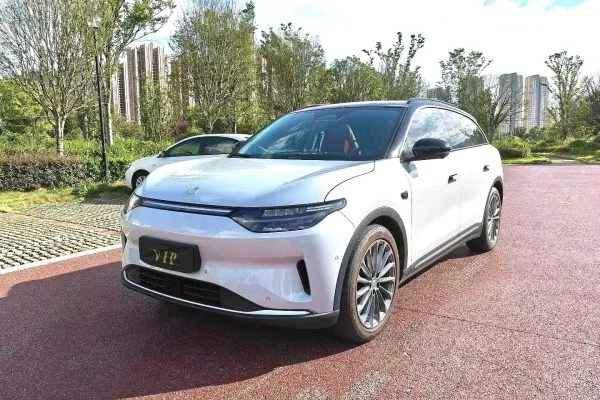
2024 Leapmotor C11 580 Premium Edition for Sale – 272 hp EV, 580 km Range, Export Ready
- 2024
- 21,000 km
- Automatic
- Electric
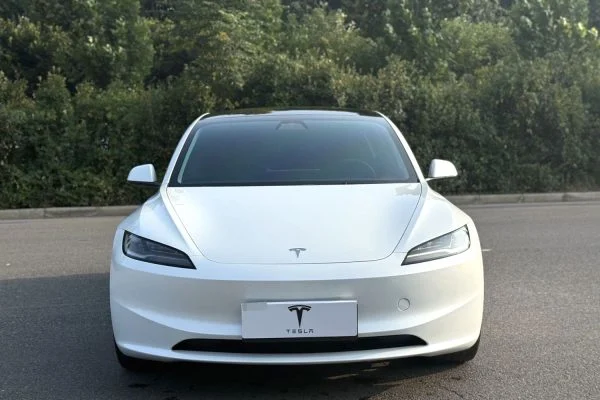
2023 Tesla Model 3 Highland RWD for Sale – 264 hp EV, 606 km Range, Export Ready
- 2024
- 60,000 km
- Automatic
- Electric

2022 BYD Yuan PLUS (Atto 3) 510km Flagship (204HP FWD) Electric Compact SUV
- 2022
- 56,000 km
- Automatic
- Electric