









Why Are EV Sales Declining? What Used Buyers Gain

EV sales in China slowed sharply through 2026, and the cause is unglamorous: subsidy withdrawal, a brutal new-car price war, and buyers waiting for the next generation. For anyone shopping used, that is good news — a 2025 BYD Dolphin with 12,000 km now costs $11,250 FOB, roughly 20% below where the same car sat two years ago.
Understanding why prices fell matters because it tells you whether to buy now or wait, and which models will recover value and which will not.
Why did Chinese EV sales slow in 2026?
Three forces, working at once.
- Purchasing tax changes. China’s purchase tax exemption for new energy vehicles was trimmed, which raised effective new-car prices for the first time in years and knocked demand.
- Price war fatigue. Buyers watched new models get cheaper every quarter, so they waited. Waiting is rational when a car loses value while you consider it.
- Trade-in programmes. Government-backed trade-in incentives pulled older petrol cars off the road but also flooded the used market with EVs people had replaced.
Which models lost the most value?
Flagship cars, not cheap ones. A near-new flagship with air suspension, lidar and a large ternary pack has the most equipment to depreciate and the highest floor of maintenance risk, so the market discounts it hardest. That is exactly what you see in the 2025 Xiaomi YU7 Long Range AWD Pro at USD 36,500 with 200 km on the clock — a car barely used, priced well under a new one.
The cheapest cars held value better, counter-intuitively. A BYD Seagull has little optional equipment to lose, so there is less depreciation machinery to run. It still cost $8,500 at 12,000 km against roughly CNY 70,000 new — a modest 15-18% drop.
Does a sales slowdown mean used EVs are bad cars?
No. It means the market stopped paying a novelty premium. The engineering did not get worse in 2026; the 2025 BYD Dolphin 420km Free Edition still has a 44.93 kWh Blade LFP pack good for 320-360 km real range. What changed is that buyers can now compare it against a cheaper new car and see the used discount as thin.
Where the slowdown did real damage is resale timing. If you bought a flagship EV in 2024 expecting 55% residual after three years, that plan does not survive contact with 2026 prices. If you are buying today and keeping the car five years, the depreciation already happened and you are buying at the bottom of the drop rather than the top.
What should a used buyer do differently now?
- Buy LFP. Packs with lithium iron phosphate age slowly, are cheaper to replace, and hold value better than large ternary packs in a market worried about battery risk.
- Buy mid-trim. A 506 km Changan Q05 Max+ at USD 14,500 is a better used bet than the top-spec version, because the top spec’s extra hardware is what gets discounted hardest.
- Buy from near-zero mileage. Some of the best value in this market is ex-demo cars with 3,000-6,000 km. The 2026 ONVO L60 60 kWh Max+ at 3,000 km is effectively new at a used price.
- Assume nothing recovers fast. If you need to sell in 18 months, do not buy a flagship.
Is this a buyer’s market or a warning?
Both, and the difference is your holding period. A dealer flipping cars in a falling market loses money on every unit; a buyer keeping a car for four years gets a purchase at a discount that will not be repeated once the oversupply clears. The one thing not to do is buy a flagship because it looks cheap relative to its 2024 price. It looks cheap because that price is gone.
Key Takeaways
- Chinese EV sales slowed in 2026 after purchase-tax changes, price-war fatigue and a glut of trade-ins.
- Used EV prices fell roughly 15-25%, with flagships losing the most value.
- Cheap LFP cars like the BYD Seagull held value better — less equipment, less depreciation.
- Buyers keeping a car four-plus years are buying at a discount that will not last.
- Mid-trim, LFP and near-zero-mileage cars are the safest used purchases in a falling market.
Related Vehicles
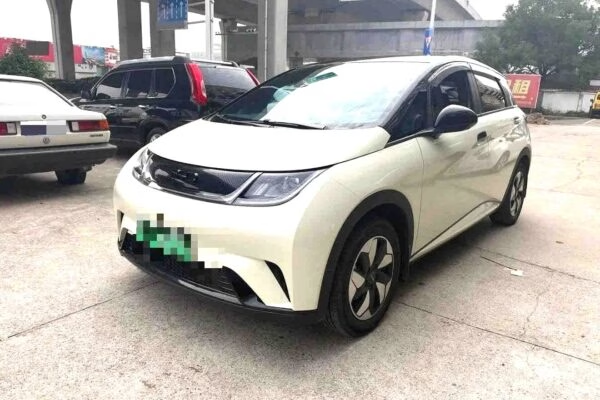
2025 BYD Dolphin 420km Free Edition (95 HP) – 12,000 km, Beige over Brown, Anqing
- 2025
- 12,000 km
- Automatic
- Electric
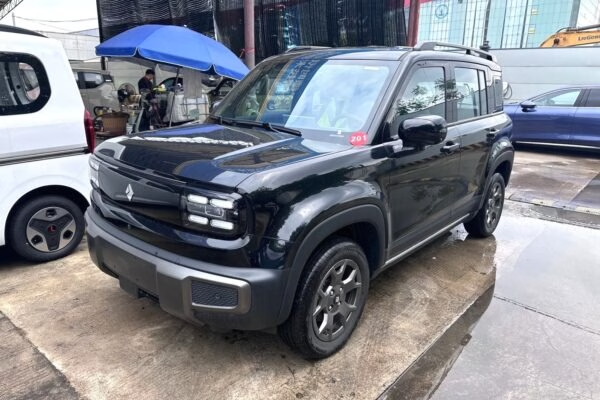
2026 Baojun Yep Plus 301 km Flagship Edition Electric SUV for Sale – 102 HP, 31.9 kWh, 5-Door
- 2026
- 10 km
- Automatic
- Electric
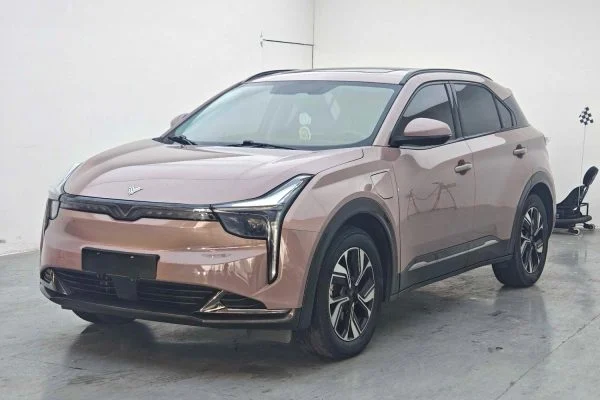
2022 Neta U-Ⅱ 400 LFP Electric SUV for Sale – 163 hp EV, 401 km Range, Export Ready
- 2022
- 24,000 km
- Automatic
- Electric
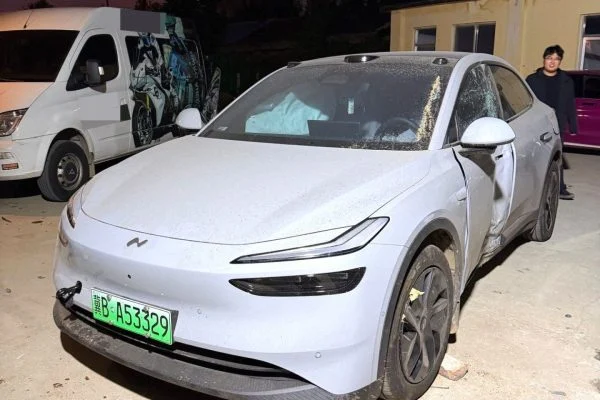
2026 ONVO L60 60kWh Max+ for Sale — 3,000 km, White/Red, Dezhou Stock, FOB Qingdao
- 2026
- 3,000 km
- Automatic
- Electric