









Used Xiaomi SU7 2026: Real Prices and Export Costs

A used 2024 Xiaomi SU7 Founder Edition RWD typically lands overseas at $32,000-$41,000 in 2026, once shipping, export paperwork and import duty are added to the China FOB price of about $27,000-$33,000. The 700 km CLTC version holds value better than the 830 km Max, which is a surprise for a brand only two years into car making.
How much does a used Xiaomi SU7 cost in 2026?
Dealer listings in Shenzhen and Shanghai currently sit between $26,800 and $33,500 FOB, depending on mileage and battery state. A 2024 Founder Edition with 9,800 km and a clean BMS report was listed near $29,200 recently. The 2024 Xiaomi SU7 Founder Edition RWD is the trim most exporters can actually source in volume.
Add the numbers below and you reach the landed price. None of them are optional.
- Ocean freight China to Jebel Ali: $1,100-$1,800
- Marine insurance: roughly 0.5% of invoice value
- Customs clearance and destination port fees: $350-$700
- EU import duty plus VAT where applicable: 10% + local VAT
- GCC 5% duty on CIF value
Why do used SU7 prices vary so much?
Because Xiaomi shipped the SU7 in waves, and early Founder Edition cars carry a different software build than later batches. Some buyers deliberately chase the 2024 Founder Edition for its launch spec. Others avoid it because a handful of early cars had rear motor mount noise that dealer software updates mostly fixed but did not always erase.
Mileage matters less than you would think. Battery degradation on the 73.6 kWh and 94.3 kWh packs has been mild in owner reports. What moves price is accident history and whether the car still has its original 800V charging hardware intact. Rebuilt DC-DC modules are a known grey-market trick, and they show up as wonky charging curves in the first 15 minutes.
Is it legal to import a used Xiaomi SU7 from China?
Yes, but per-market rules apply. The EU wants a WVTA-style approval or a national single-vehicle approval, and the SU7 has no EU type approval yet, so expect a costly individual approval path. The GCC, Africa and much of Southeast Asia are far easier. There the SU7 clears as a used vehicle with an export certificate and a valid Chinese registration cancellation.
One practical snag: Xiaomi’s connected services are tied to a Chinese phone number. Buyers outside China should ask the seller to hand over account binding, or accept that over-the-air updates and remote features will not work.
What goes wrong on a used SU7?
The big one is the infotainment dependency. Almost every function, from mirrors to drive mode, sits behind the HyperOS screen. If that screen dies out of warranty, you are looking at a dealer-only repair with no aftermarket option outside China.
Second, tyre wear. The SU7 weighs around 2,000 kg and the rear-drive layout chews through rear rubber in 25,000-30,000 km. Budget for it. Third, panel gaps on early cars were inconsistent; check every door seam in person or via a video inspection.
Who should buy one, and who should not?
If you want a fast, low-mileage electric sedan and you live in a market with relaxed approval rules, the SU7 is genuinely good value. If you need a manufacturer warranty, a local service network, or parts on demand, walk away. Xiaomi has no dealer footprint outside China.
Compare it against the Zeekr 007 GT before you commit. The Zeekr carries a similar 800V platform and Geely-backed service in more markets.
Key Takeaways
- A used Xiaomi SU7 Founder Edition lands at $32,000-$41,000 in 2026.
- China FOB prices run $26,800-$33,500 depending on mileage and pack health.
- EU approval is the hardest part; GCC and Africa are straightforward.
- Demand a BMS scan and proof the car was never rebuilt after a shunt.
- No warranty outside China, so factor repair risk into your offer.
Related Vehicles
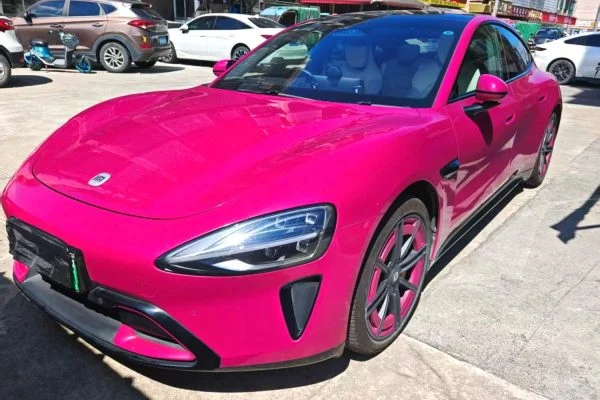
2024 Xiaomi SU7 Founder Edition RWD (299HP / 700km Range) Electric Sedan
- 2025
- 50,000 km
- Automatic
- Electric
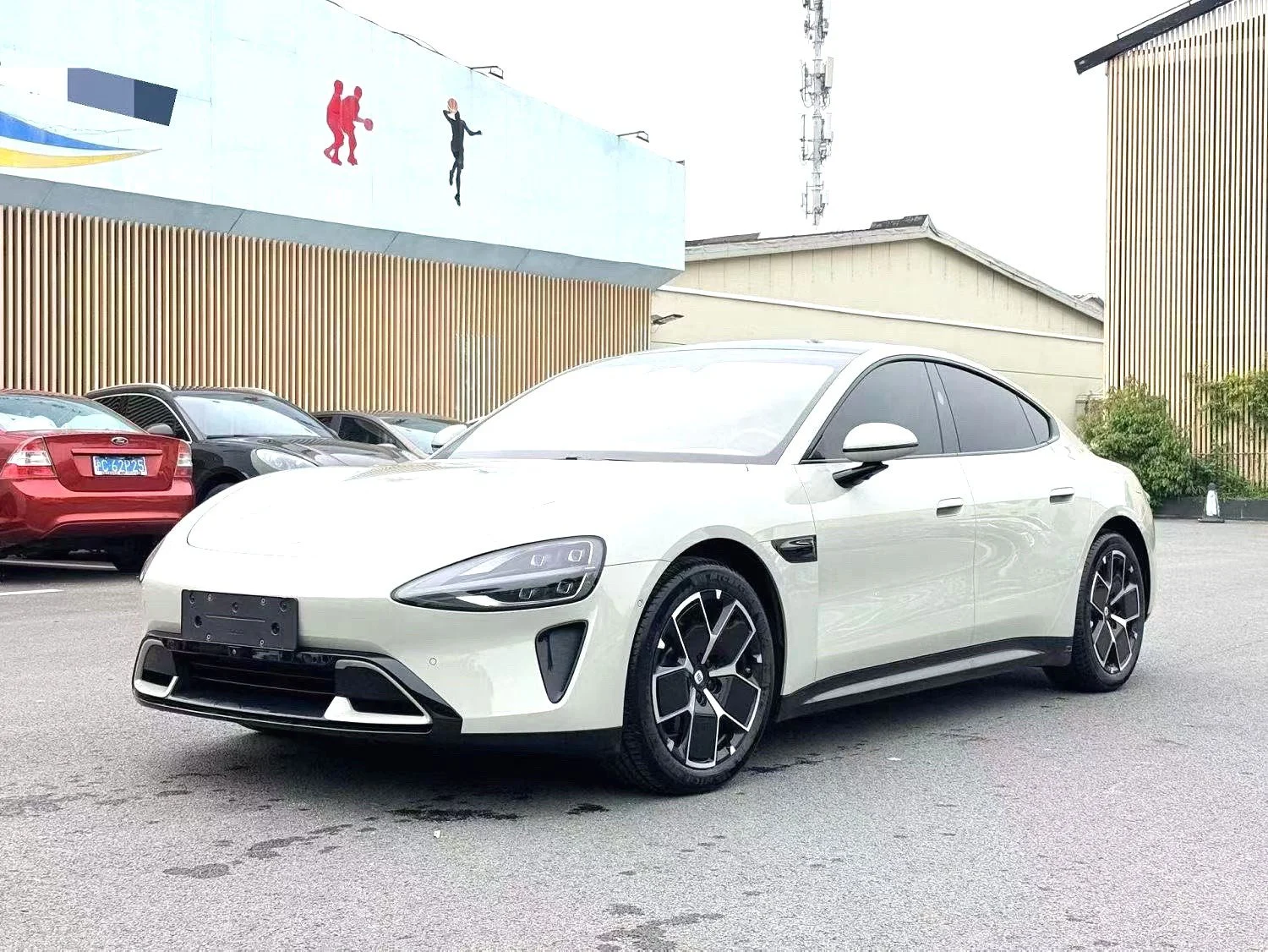
2024 Xiaomi SU7 700km Standard RWD (299HP / 9,800km) Electric Sport Sedan
- 2025
- 9,800 km
- Automatic
- Electric
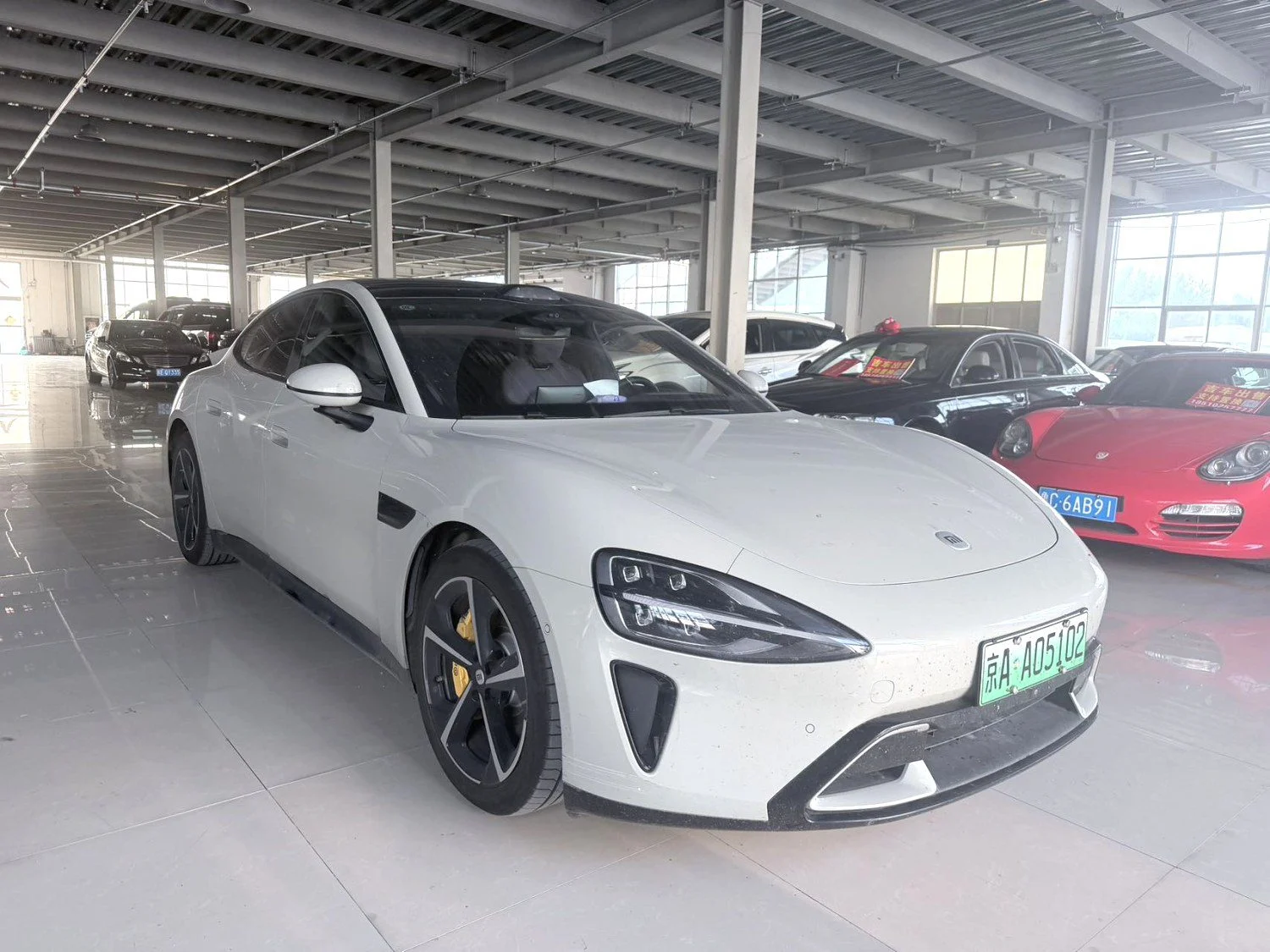
2024 Xiaomi SU7 Max AWD (673HP / 2.78s / 800km Range) Electric Sport Sedan
- 2025
- 20,000 km
- Automatic
- Electric