









Used Tesla Model 3 Alternatives in 2026: 4 China EVs Compared

The best used Tesla Model 3 alternatives from China in 2026 are the BYD Atto 3 510 km at $15,800, the BYD Song PLUS EV at $18,500 and the GAC Aion V Plus at $17,000. None matches Tesla’s charging speed. All three beat it on price per kilometre of range.
Model 3 buyers usually want one of three things: range, software, or a well-known badge. Only the first and third have good substitutes in the Chinese used market. The software gap is real and does not close.
How do the four alternatives compare on paper?
Four cars, all LFP, all available in 2023-2024 build years.
- 2022 BYD Atto 3 510 km — 60.48 kWh, 510 km CLTC, 204 hp, about $15,800.
- 2023 BYD Song PLUS EV 520 km — 71.8 kWh, 520 km CLTC, 204 hp, about $18,500.
- 2022 GAC Aion V Plus 80 — 500 km class, spacious rear cabin, about $17,000.
- 2024 BYD Seal DM-i 121 km — 17.6 kWh plus petrol, 121 km EV range, about $14,000. The odd one out.
For reference, a used 2023 Tesla Model 3 Highland RWD sits at $17,000-$19,500 with a 60 kWh pack and 606 km CLTC.
Which one comes closest to a Model 3 experience?
None, and it is worth being direct about that. The Model 3 charges at 100-130 kW and holds a high rate longer. The Atto 3 peaks around 80 kW and tapers earlier.
On a long trip that difference is 10-15 minutes per stop. Over a year of daily commuting it is nothing.
Where the Chinese cars win: interior space per dollar, ride comfort on poor roads, and parts pricing. A replacement Atto 3 suspension arm costs $90. The equivalent Model 3 part runs three times that.
Is the Atto 3 a genuine substitute?
For a family, yes. It is taller, easier to get in and out of, and rides better over broken surfaces than the Model 3’s firmer setup.
For an enthusiast, no. 204 hp and 7.3 seconds to 100 km/h is quick, not fast, and the steering is tuned for comfort.
The practical argument is service. BYD has export-focused parts distribution and a growing independent workshop network. That matters more than 0.8 seconds of acceleration once the car is five years old.
What about the Song PLUS EV?
It is the closest match on range and the furthest on character. At 4.78 m it is noticeably larger, with 71.8 kWh and 520 km CLTC. It is comfortable and quiet, and it is not trying to be sporty.
If your comparison is a Model Y rather than a Model 3, this is the more relevant car. Buyers cross-shopping the two usually pick on space, not on badge.
When does a PHEV alternative make sense?
When you cannot charge reliably. A 2024 BYD Seal DM-i 121 km gives 121 km of electric range and then runs on petrol at 5.5-6.5 L per 100 km. That removes range anxiety entirely.
It does not remove the servicing burden. A PHEV has an engine, a gearbox and a battery, and all three need attention. Buy one only if the charging situation genuinely requires it.
Which should you choose?
Pick by what you do most, not by what you might do once a year.
- Daily commute under 150 km with home charging: 2022 BYD Atto 3 510 km.
- Family use, long trips, five adults: 2023 BYD Song PLUS EV 520 km.
- Rear-seat passengers and comfort priority: 2022 GAC Aion V Plus 80.
- No reliable charger: 2024 BYD Seal DM-i 121 km.
How much does the range gap cost in practice?
Take a 400 km journey. The Model 3 needs one 20-minute stop. The 2022 BYD Atto 3 510 km needs one 30-35 minute stop. Over a year of monthly trips that is roughly six hours of extra charging time.
If you do that trip twice a year, you will never notice. If you do it weekly, the Model 3’s charging curve is worth the premium on its own.
Everything in between is a judgement call about which inconvenience you dislike less: longer charging stops, or a longer service trip to a dealership that may not be nearby.
Key Takeaways
- Best used Model 3 alternative from China in 2026: BYD Atto 3 510 km at about $15,800.
- Largest battery option: Song PLUS EV with 71.8 kWh and 520 km CLTC.
- Charging peak is 80 kW versus Tesla’s 100-130 kW — a real but minor gap.
- Parts cost is roughly a third of Tesla equivalents on common wear items.
- Choose a PHEV only if charging at home is genuinely impractical.
Related Vehicles

2022 BYD Yuan PLUS (Atto 3) 510km Flagship (204HP FWD) Electric Compact SUV
- 2022
- 56,000 km
- Automatic
- Electric
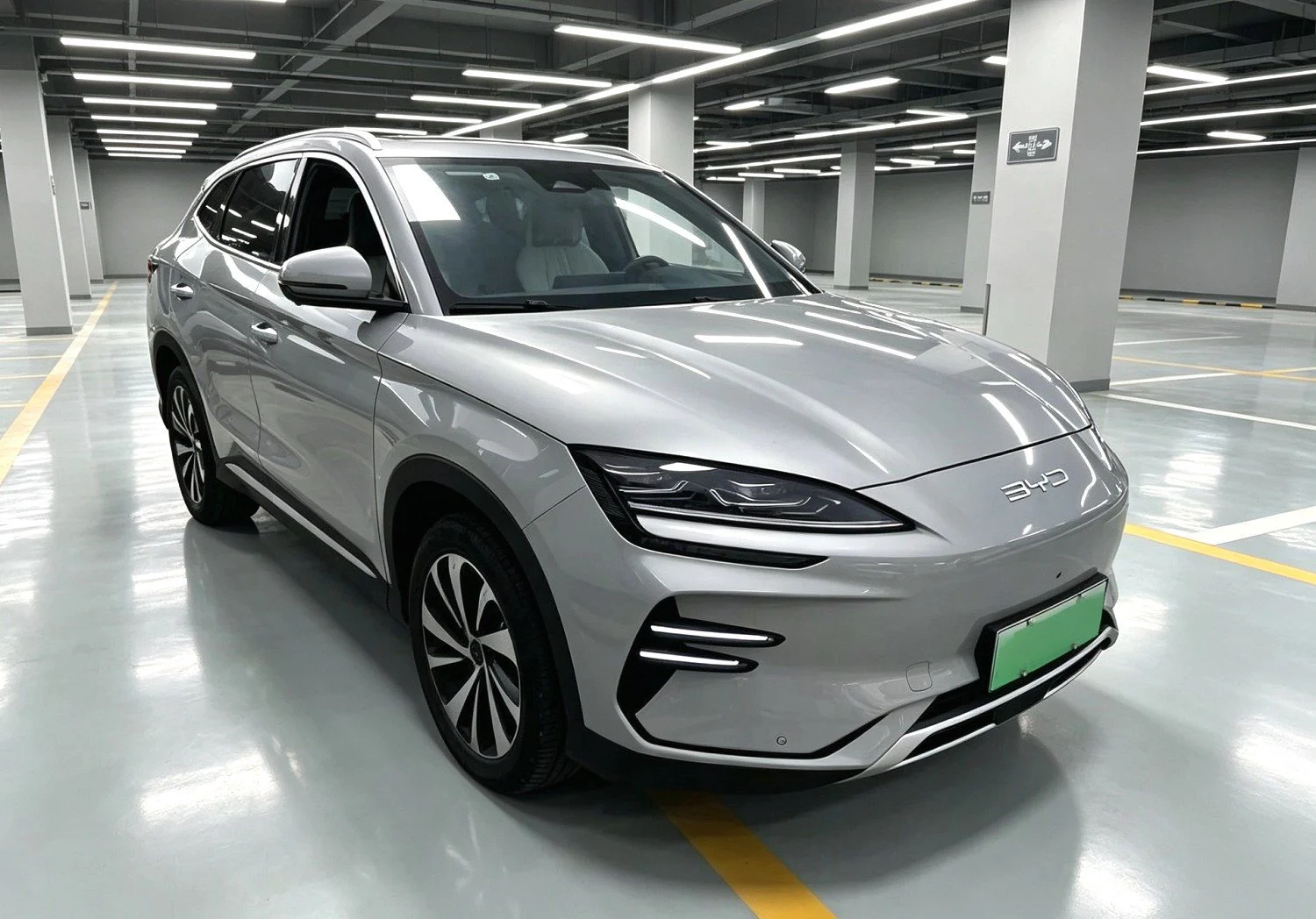
2023 BYD Song PLUS EV Champion Edition 520km Flagship (204HP FWD / Seal U) Electric SUV
- 2024
- 4,000 km
- Automatic
- Electric
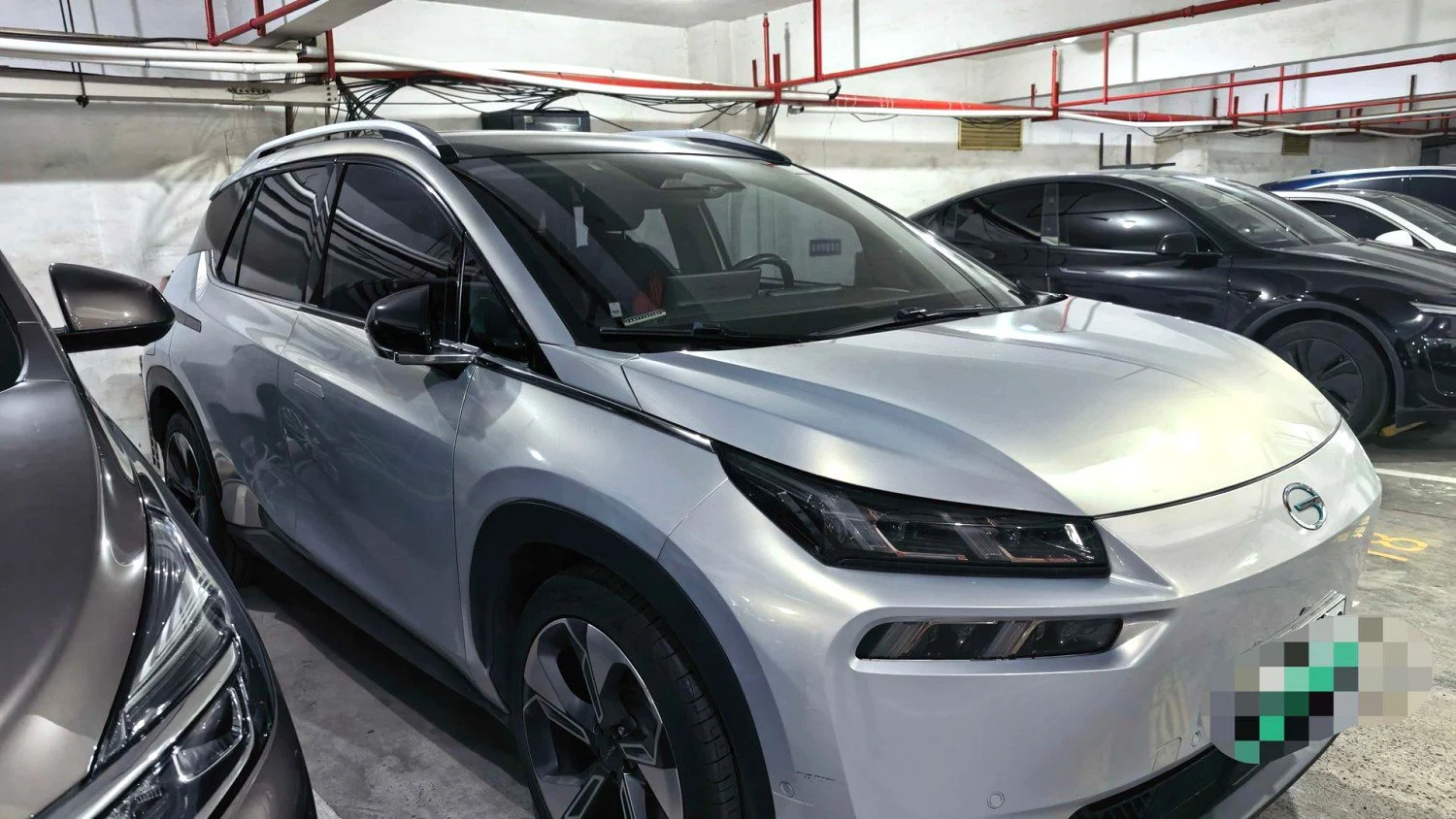
2022 GAC Aion V PLUS 80 Executive | Long Range EV – Super Value @ $28,800
- 2022
- 50,000 km
- Automatic
- Electric
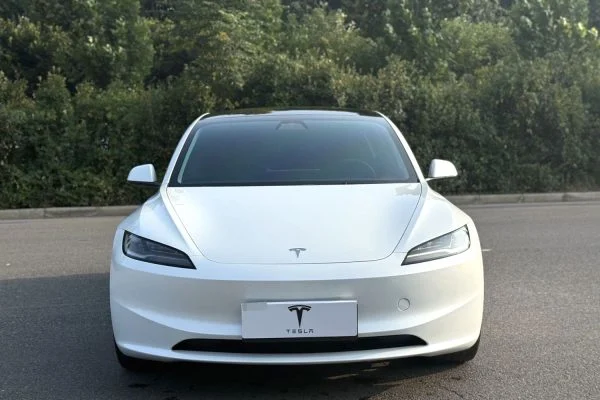
2023 Tesla Model 3 Highland RWD for Sale – 264 hp EV, 606 km Range, Export Ready
- 2024
- 60,000 km
- Automatic
- Electric