









Used Tesla for Sale vs Chinese Used EVs: 2026 Price Gap
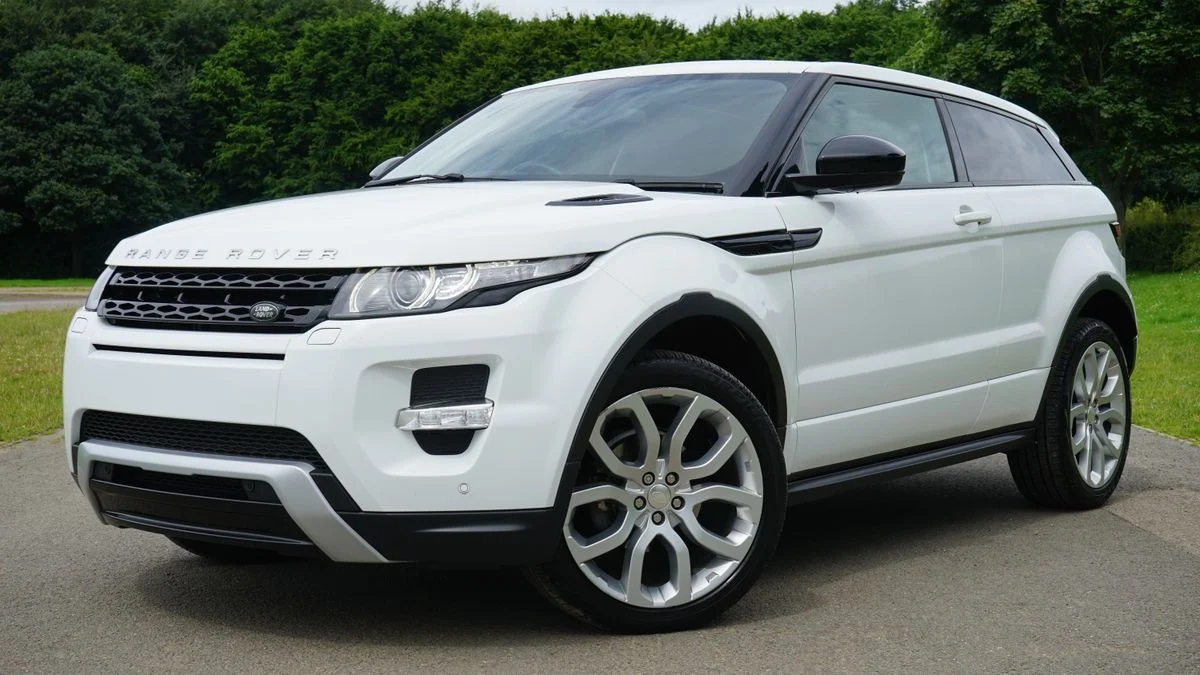
A used Tesla for sale in China trades at $21,500-$27,800 for a 2022-2024 Model 3, against $16,000-$21,000 for a comparable Xiaomi SU7, XPeng P7+ or BYD Seal of the same year. The gap is roughly $5,000-$7,000, and it buys less than most buyers assume.
Tesla still wins on two things: charging infrastructure and software maturity. Chinese sedans win on range, interior space and equipment per dollar. Which matters more depends on where the car will live.
How do the prices actually compare?
Ask prices from Chinese dealers and private sellers, October 2026:
- Tesla Model 3 RWD 2022: $21,500-$24,200, 60 kWh, 556 km CLTC.
- Tesla Model Y LR AWD 2022: $25,400-$27,800, 78.4 kWh, 660 km CLTC.
- 2024 Xiaomi SU7 700km Standard RWD – 2024 SU7 standard, 700 km CLTC, 299 hp. $19,500-$22,800.
- 2024 XPENG P7+ Long Range Max – 2024 XPeng P7+, 615 km CLTC, 800V platform. $17,800-$20,400.
- 2023 BYD Song PLUS EV Champion Edition 520km Flagship – 2023 Song PLUS EV, 520 km CLTC, SUV. $15,500-$18,200.
The Xiaomi SU7 comparison is the sharpest one. It undercuts the Model 3 by about $2,000 while offering 144 km more claimed range and a larger cabin. It also has almost no service network outside China, which is the entire catch.
Is a used Tesla worth the premium?
In markets with Supercharger coverage, often yes. Tesla’s charging network is the single most valuable thing about buying the badge – access to 60,000+ fast chargers that authenticate automatically, with predictable speeds above 150 kW.
In markets without it, the premium mostly buys resale confidence. A used Model 3 sells in three weeks anywhere. A used SU7 in, say, Poland or Kenya can sit for three months because buyers worry about parts.
That liquidity has a real dollar value: roughly $1,500-$2,500 on a five-year hold, which closes maybe a third of the price gap.
Where do Chinese used EVs beat Tesla outright?
- Range per dollar. The P7+ delivers 615 km CLTC for about $19,000; a Model 3 at that price gives you 556 km.
- Charging speed. 800V cars hit 10-80% in 18-22 minutes; a 2022 Model 3 needs 25-30 on a V3 Supercharger.
- Interior equipment. Ventilated seats, rear screens and massaging fronts are standard on Chinese sedans at $20k. Tesla charges extra or omits them.
- Battery chemistry. LFP Blade packs in BYD cars tolerate daily full charging; Tesla’s LFP Model 3 does too, but its NCM variants recommend an 80% cap.
What about battery health on used Teslas?
Tesla packs age well. Fleet data shows 2022 Model 3 LFP cars averaging 91-94% capacity after 100,000 km, and NCM Long Range cars around 88-91%. That is competitive with the best Chinese packs and better than most 2019-2020 Chinese NCM cars.
The catch is diagnostic access. Tesla’s service mode is available to owners, but reading detailed cell data requires Toolbox, which independent shops outside major cities rarely have. Chinese brands are more open, and BYD’s BMS reports print from any authorised dealer.
So which one should you buy in 2026?
Buy the Tesla if resale speed, Supercharger access and a mature app ecosystem are priorities, and if you plan to sell within four years. The $5,000-$7,000 premium is partly recovered at exit.
Buy Chinese if you are keeping the car five years or more and your market has at least one authorised service point for the brand. You get more range, faster charging and better equipment for less money, and you accept thinner resale.
A middle path worth considering: a used 2022 BYD Yuan PLUS at $14,000-$16,800. It is not as fast as either sedan, but BYD’s service footprint abroad is now wider than Tesla’s in several emerging markets, and the Blade pack’s eight-year warranty transfers in more places than most.
Key Takeaways
- Used Model 3 in China: $21,500-$24,200 versus $16,000-$21,000 for Chinese equivalents.
- Tesla’s premium buys Supercharger access and faster resale, worth $1,500-$2,500 over five years.
- Chinese 800V cars charge 10-80% in 18-22 minutes; a 2022 Model 3 needs 25-30.
- 2022 Tesla LFP packs average 91-94% capacity at 100,000 km – comparable to the best Chinese packs.
Related Vehicles
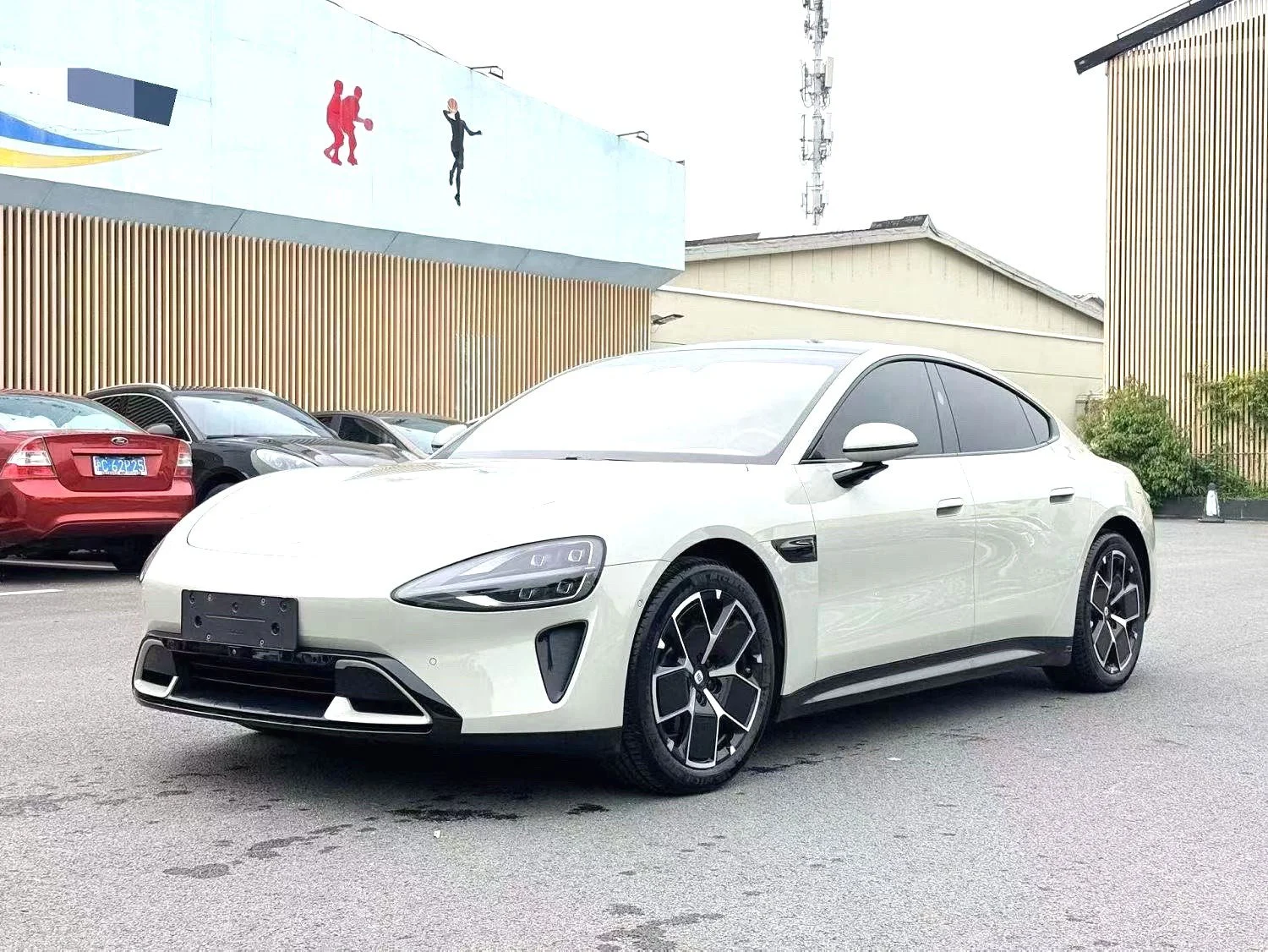
2024 Xiaomi SU7 700km Standard RWD (299HP / 9,800km) Electric Sport Sedan
- 2025
- 9,800 km
- Automatic
- Electric

2024 XPENG P7+ Long Range Max (800V Platform / 615km Range) – AI Fastback Sedan
- 2026
- 16,000 km
- Automatic
- Electric

2022 BYD Yuan PLUS (Atto 3) 510km Flagship (204HP FWD) Electric Compact SUV
- 2022
- 56,000 km
- Automatic
- Electric
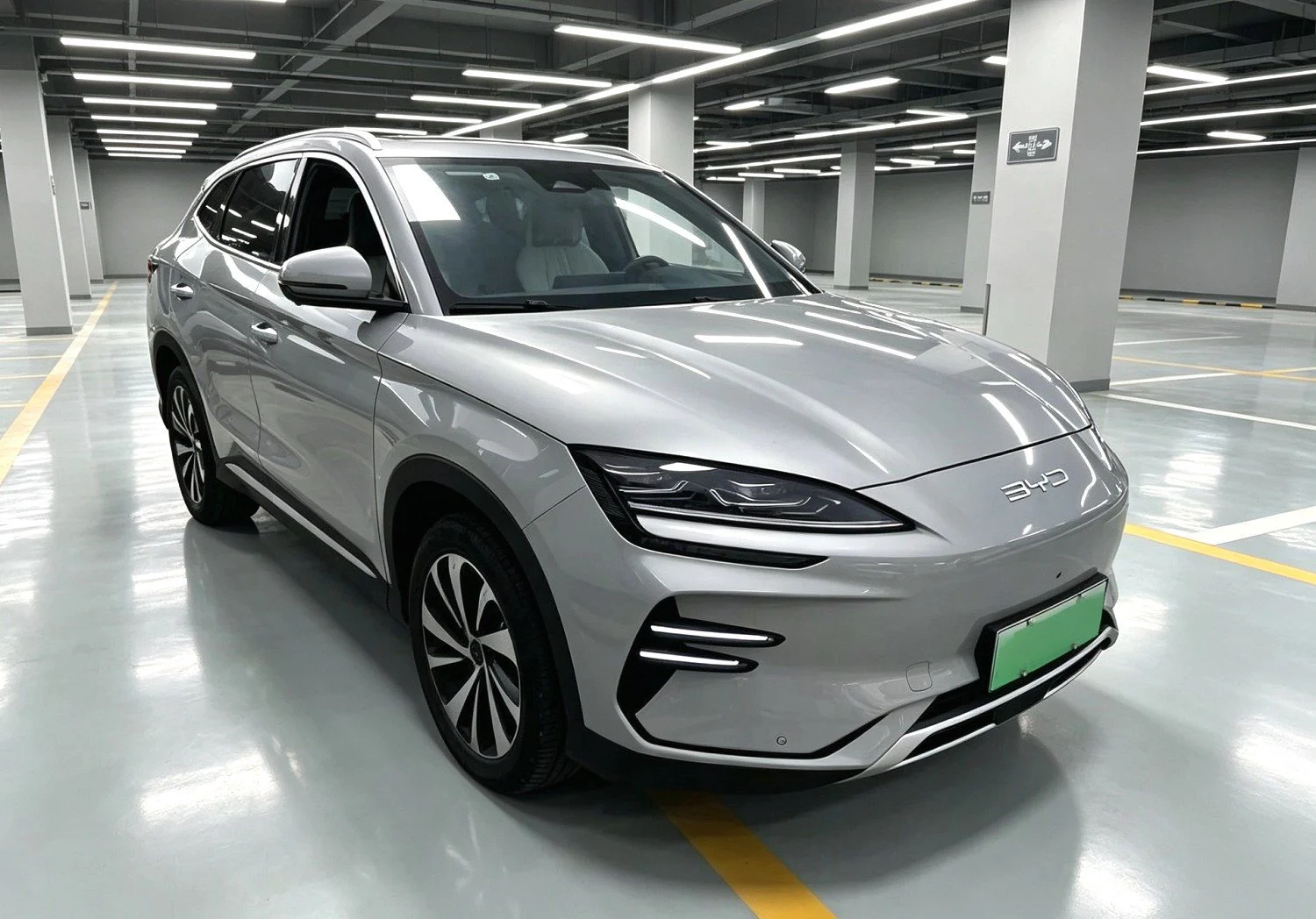
2023 BYD Song PLUS EV Champion Edition 520km Flagship (204HP FWD / Seal U) Electric SUV
- 2024
- 4,000 km
- Automatic
- Electric