









Used Hybrid Cars for Sale Low Mileage: 5 Chinese PHEVs Worth It

A low-mileage used hybrid in China in 2026 means 12,000-20,000 km on a 2024-2025 PHEV, priced $12,000-$22,000 FOB. The electric range is 100-210 km, the petrol engine covers the rest, and total range lands at 900-1,300 km.
Low mileage sounds like a pure win. It is not, quite. A plug-in hybrid that sat unused for eight months has a battery that was left at a bad state of charge, and that is a different problem from a high-mileage car that was driven every day.
Why does low mileage matter more on a hybrid than on a pure EV?
Because the pack is small. A BYD Song PLUS DM-i carries 8-18 kWh, not 60. Small packs cycle more per kilometre travelled, and when they sit idle they calendar-age at a rate set by temperature and state of charge. A 15,000 km PHEV stored at 100% charge in a Guangdong summer for a year can show the same degradation as a 60,000 km car that was driven and charged sensibly.
So mileage is a starting filter, not an answer. You still want the SOH number.
Which used Chinese PHEVs are worth looking at?
- 2024 BYD Seal DM-i 1.5L 121 km – 197 HP, E-CVT, Blade pack. Around $13,000-$15,000 at 49,000 km. Executive sedan feel at mid-size money.
- 2025 BYD Qin L EV 545 km – pure EV, not a hybrid, but the closest competitor on price. 218 HP, 56.64 kWh, about $14,000-$16,000.
- 2024 Li Auto L6 Pro EREV – 408 HP AWD, 36.8 kWh, 180 km electric range, 16,300 km. Around $21,000-$24,000. Big, fast, and the range extender removes every charging worry.
- 2024 Leapmotor C10 210 Smart Driving – 231 HP RWD EREV with LiDAR, 19,000 km. Around $16,000-$18,000. Best driver-assistance per dollar.
- 2022 BYD Han DM-i 121 km Premium – 197 HP, around $12,000-$13,500. The cheapest way into a full-size Chinese hybrid sedan.
What do you check on a used PHEV that you would skip on a pure EV?
Five things, and two of them are engine-side:
- Engine hours, not just kilometres. A PHEV can run 12,000 km with the petrol engine barely warmed up. Short, cold engine runs cause fuel dilution in the oil.
- Oil condition. Pull the dipstick. Milky or over-full oil on a 15,000 km car means the engine has been doing short cold cycles.
- Charge history. Ask the seller how often the car was plugged in. A PHEV that was never charged has a pack that has been sitting idle for years.
- Coolant and hybrid system codes. An OBD scan will surface inverter or battery-management faults that the dashboard light has not shown yet.
- High-voltage cable routing. Rodent damage under the bonnet is more common than you would think in cars stored in rural yards.
Is a low-mileage hybrid better than a cheap pure EV for export?
If your market has patchy charging or long intercity routes, yes – clearly. A PHEV removes the single biggest objection buyers raise: “where do I charge it”. The Li Auto L6 with 180 km of electric range covers most daily driving on electricity and then behaves like a petrol car for 1,000 km.
If your market is a dense city with reliable power, the pure EV wins on running cost and simplicity. Two systems means two things that can break, and a hybrid workshop is a rarer skill than an EV one in most of Africa and Southeast Asia.
Which one would I buy?
For a family buyer shipping one car: the Li Auto L6 Pro. It is genuinely quick, seats five in comfort, and the range extender means the buyer’s first week is not ruined by a charger hunt.
For a dealer ordering eight cars: the BYD Seal DM-i. Cheaper, proven, and BYD’s parts channel is the widest of any Chinese brand in export markets.
Key Takeaways
- Low mileage on a PHEV is not a guarantee – small packs age fast when stored at high charge in heat.
- Check engine hours and oil condition, not just the odometer.
- Chinese PHEVs and EREVs run $12,000-$24,000 FOB in 2026 for 12,000-20,000 km examples.
- Hybrids beat pure EVs wherever charging infrastructure is unreliable; EVs win on running cost in dense cities.
Related Vehicles
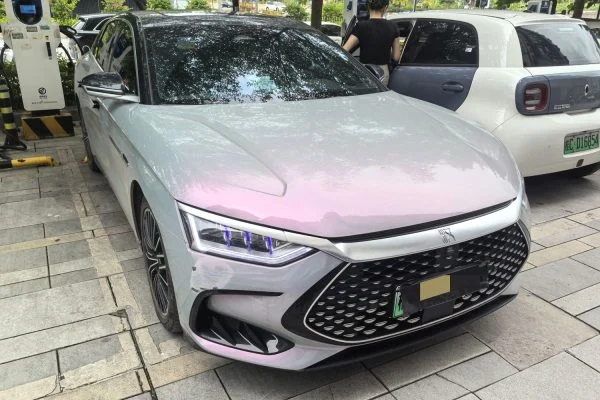
2022 BYD Han DM-i 121KM Premium Edition for Sale – 197 hp PHEV, 121 km EV Range, Export Ready
- 2022
- 50,800 km
- Automatic
- Plug-in Hybrid
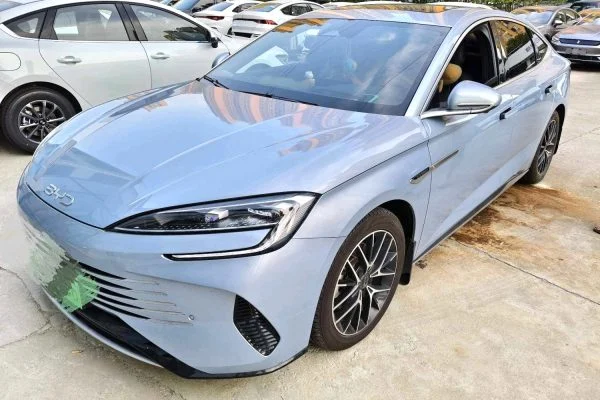
2024 BYD Seal DM-i 1.5L 121km Luxury Edition (49,000 km / 197 HP) – Mid-Size PHEV Sedan
- 2024
- 49,000 km
- Automatic
- Hybrid
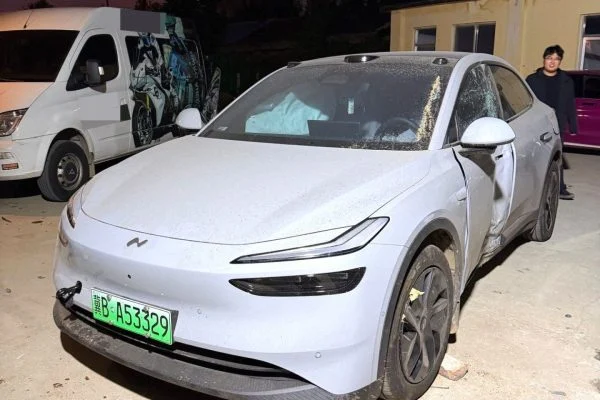
2026 ONVO L60 60kWh Max+ for Sale — 3,000 km, White/Red, Dezhou Stock, FOB Qingdao
- 2026
- 3,000 km
- Automatic
- Electric
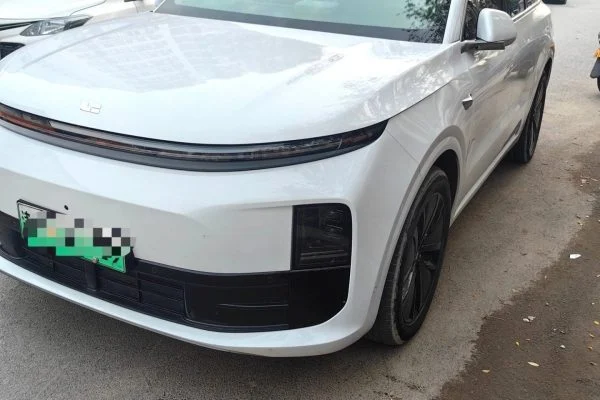
2024 Li Auto L6 Pro for Sale – 408 hp AWD EREV SUV, 36.8 kWh, Export Ready
- 2024
- 16,300 km
- Automatic
- extended-range