









Used Hybrid Cars for Sale with Low Mileage: Buying Guide

Used hybrid cars for sale with low mileage prove very little on their own. A 2022 plug-in hybrid with 30,000 km can have a healthier battery than a 2020 car with 60,000 km, or a worse one, depending on how it was charged. Judge the high-voltage pack, not the odometer.
Hybrid buyers ask me the same question every week: is low mileage worth paying for? Usually yes, but for reasons nobody advertises.
What does low mileage actually tell you about a hybrid?
It tells you three useful things and one misleading one.
- Fewer charge cycles on the high-voltage pack, if the previous owner plugged in.
- Less wear on the engine, which on a plug-in hybrid may have run only 30% of the distance shown.
- Better odds the original tyres and brake discs are still usable.
The misleading part: a low-mileage plug-in hybrid that was never charged has spent its life as a heavy petrol car. That is the worst possible history for the pack and for fuel economy.
Why do plug-in hybrids age differently from full hybrids?
A Toyota-style full hybrid keeps its battery between 40% and 80% almost permanently, which is why those packs last 200,000 km without drama. A plug-in hybrid gets deep-cycled every day. A 2017 Roewe eRX5 with 60 km of electric range and 704 Nm of torque is a good example: the electric side does the commuting, so the pack sees a full cycle daily.
That is fine engineering, but it means the battery, not the engine, is the wear item. Ask for cell voltage spread, not just state of health.
Which used hybrids hold up best?
Three archetypes, in order of risk:
- Toyota and Lexus full hybrids. Nickel-metal-hydride or small lithium packs, conservative charge windows, boring reliability. The 2023 Toyota Sienna 2.5 Comfort hybrid MPV is the family version and holds value better than anything else in this list.
- Chinese range-extenders. A Li Auto L-series or a Voyah Dreamer runs the engine as a generator, which keeps the pack in a narrow window. Well-suited to export because the engine can run on local fuel.
- Early Chinese plug-in hybrids, 2017-2019. Cheapest to buy, most likely to need a pack. Only buy with a documented battery test.
What should you check on a low-mileage hybrid?
Four checks, and they take an afternoon:
- Battery state of health and cell balance. Anything below 85% on a plug-in is a negotiating point, not a deal-breaker.
- Engine hours versus distance. On a plug-in, 30,000 km with 900 engine hours means the petrol side did little work. 30,000 km with 2,400 engine hours means it did most of it.
- Charging history. Ask for the home charger installation date. If the car never had one, price the pack accordingly.
- Coolant and inverter service. Hybrid cooling loops are frequently ignored. A 2021 car with no service record on the inverter circuit is a US$900 surprise waiting.
Is low mileage worth a premium in 2026?
Up to about 8-10% over a comparable higher-mileage car, yes. Beyond that, you are paying for a number on a dashboard rather than for condition. A 2023 Toyota Sienna with 31,000 km is worth real money because MPV buyers keep them for a decade. A 2021 plug-in sedan with 30,000 km is worth nothing extra if the pack is at 83%.
Compare: a 2023 Cadillac CT5 28T Premium with 40,000 km is a low-mileage petrol car, not a hybrid, and it will depreciate on a completely different curve. Know which curve you are buying.
Key Takeaways
- Low mileage matters most when the car was actually plugged in.
- Full hybrids cycle gently; plug-in hybrids cycle deeply and age faster.
- Toyota full hybrids remain the lowest-risk used hybrid purchase.
- Check engine hours against distance on any plug-in hybrid.
- Pay at most 8-10% more for low mileage, and only with a battery report.
Related Vehicles
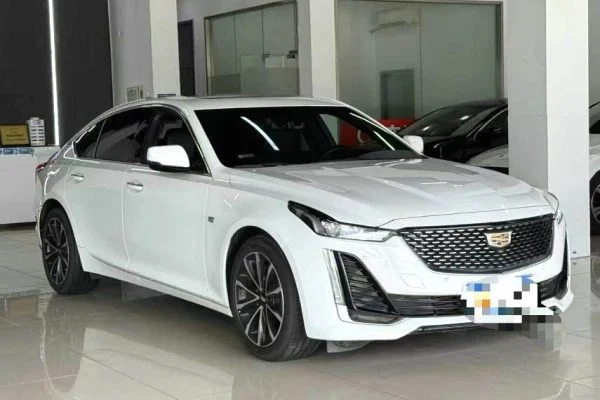
2023 Cadillac CT5 28T Premium Edition for Sale – 237 hp RWD Sport Sedan, 10-Speed AT, Export Ready
- 2023
- 60,000 km
- Automatic
- Petrol
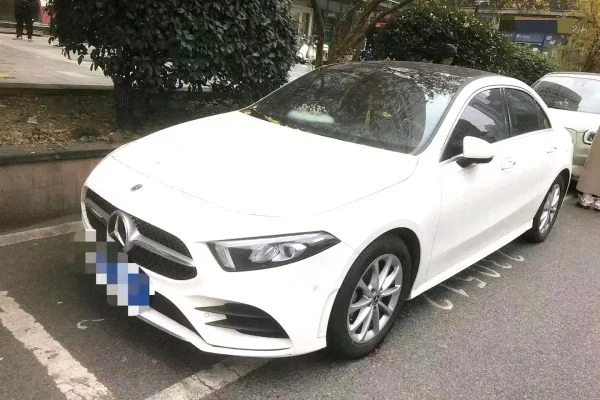
2022 Mercedes-Benz A 200 L Fashion Edition for Sale – 163 hp Sedan, 7-Speed DCT, Export Ready
- 2022
- 40,000 km
- Automatic
- Petrol

2021 BYD Song PLUS EV Luxury Edition (505km Range / Blade Battery) – Electric SUV
- 2023
- 50,000 km
- Automatic
- Electric