









Used Hybrid Cars for Sale Low Mileage: 4 Chinese Picks in 2026
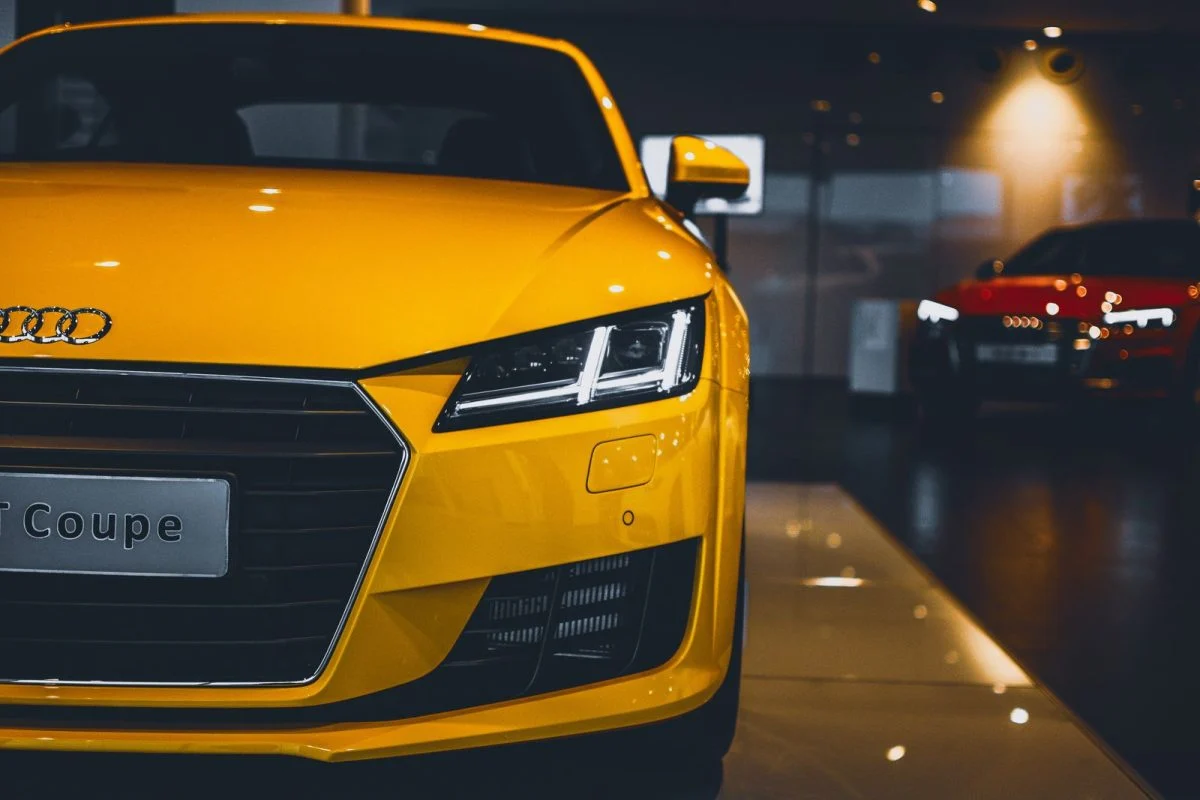
Low-mileage used hybrid cars for sale from China in 2026 sit in two camps: plug-in hybrids (PHEV) at $12,000-$22,000 and range extenders (EREV) at $20,000-$34,000. Under 30,000 km, the PHEV is usually the better buy — smaller battery, less depreciation risk, and no dependence on a charging habit.
Worth knowing before you shop: China’s used market for hybrids is younger than for pure EVs. Most stock is 2023 or later, and prices have not yet settled into a predictable curve.
Why buy a hybrid instead of a pure EV?
Because charging infrastructure where you live may not support a 60 kWh EV. A PHEV with 100-200 km of electric range covers daily driving on electricity and falls back to petrol for everything else. The fuel cost is higher, the range anxiety is lower.
On a low-mileage example the battery has barely been exercised, so you get most of the electric benefit without inheriting someone else’s degradation.
Which low-mileage hybrids hold their value?
Big-battery EREVs hold value worst, because they are essentially EVs with a generator and the EV depreciation curve applies. Small-battery PHEVs hold value better. The 2026 Chery iCAR V27 200KM AWD Falcon 700 at 15,000 km is a good example of the EREV problem: brilliant spec, 455 hp, off-road body, but $30,000+ used for a car whose battery will still depreciate hard over five years.
Are Chinese PHEVs reliable at low mileage?
Generally yes, with one caveat. Low mileage on a PHEV can mean the petrol engine has barely run, which is not automatically good — engines that sit idle for months develop seal and injector issues. A 2023 PHEV with 18,000 km split evenly between electric and petrol is healthier than one with 18,000 km entirely on electricity.
Ask for the engine-hour counter if the platform exposes it, or at least for service records showing oil changes. Two oil changes in three years on a car that “never used petrol” is a warning sign, not a bonus.
What should you check on a hybrid battery?
- SOH on the traction pack: should be 93%+ under 30,000 km. PHEV packs cycle more per kilometre than EV packs, so the ratio matters.
- Charge cycle count vs odometer: a 20,000 km PHEV with 500 cycles has been plugged in constantly — fine, but price it in.
- Engine hours: should be non-trivial. Zero engine hours on a two-year-old car is suspicious.
- Coolant and thermal loop: EREVs run two cooling circuits; a leak shows as a low coolant level the seller will call “normal”.
Is a used EV a better buy than a used hybrid?
| Factor | Used EV | Used PHEV |
|---|---|---|
| Entry price (2026, China) | $7,400-$17,000 | $12,000-$22,000 |
| Running cost per 100 km | $1.50-$3.00 | $4.00-$7.00 |
| Depreciation risk | High but flattening | Higher on big-battery EREV |
| Service complexity | Low | Medium — two systems |
| Range anxiety | Present | Absent |
On running cost the EV wins decisively. On flexibility the hybrid wins. If your market has unreliable charging, the $4,000-$5,000 premium for a PHEV pays back in usability rather than fuel savings.
Which pure EVs to compare against?
At the low end, the BYD Yuan PLUS (Atto 3) 510km at $13,800-$15,200 competes directly with entry PHEVs on price and beats them on running cost. At the top, the XPeng G6 755 at $19,000-$23,000 covers the same ground as a mid-size EREV without the second powertrain.
Buy the hybrid only if you genuinely cannot charge at home or at work. If you can, the numbers favour the EV every time.
Key Takeaways
- Low-mileage used hybrids from China run $12,000-$22,000 for PHEVs and $20,000-$34,000 for EREVs in 2026.
- Small-battery PHEVs hold value better than big-battery EREVs.
- Low mileage plus zero engine hours is a warning sign, not a selling point.
- Hybrid packs cycle more per kilometre — demand 93%+ SOH under 30,000 km.
- If you can charge at home, a used EV beats a used PHEV on total cost.
Related Vehicles

2026 Chery iCAR V27 200KM AWD Falcon 700 (15,000 km / 455 HP / LiDAR) – Off-Road EREV SUV
- 2026
- 15,000 km
- Automatic
- Plug-in Hybrid
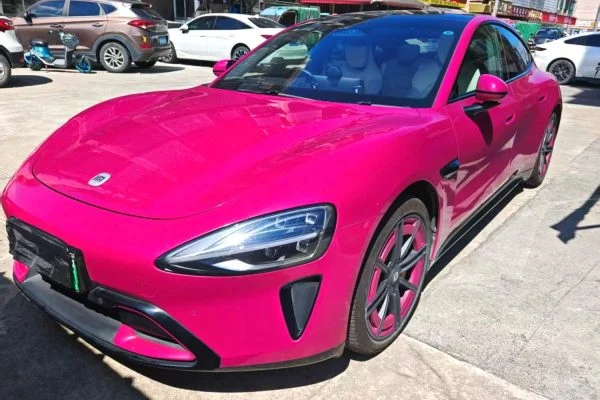
2024 Xiaomi SU7 Founder Edition RWD (299HP / 700km Range) Electric Sedan
- 2025
- 50,000 km
- Automatic
- Electric

2022 BYD Yuan PLUS (Atto 3) 510km Flagship (204HP FWD) Electric Compact SUV
- 2022
- 56,000 km
- Automatic
- Electric

2023 XPENG G6 755 Long Range Pro (218kW / 296HP / 800V SiC) Electric Coupe SUV
- 2024
- 59,000 km
- Automatic
- Electric