









Used Hybrid Cars for Sale: 5 Chinese PHEVs Worth Buying

Used hybrid cars for sale from Chinese stock start around $9,500 FOB for a 2024 BYD Qin L DM-i, and top out near $21,000 for a 2024 Denza D9 MPV. Plug-in hybrids are the fastest-growing part of the Chinese used export market in 2026.
The appeal is obvious if you live somewhere charging is unreliable. A PHEV runs 80-160 km on electricity and then falls back to petrol at 4.5-6.0 L/100 km. You get most of the EV benefit without the range anxiety — at the cost of carrying two powertrains that can both fail.
Why are Chinese used PHEVs suddenly cheap?
Three reasons, all structural. China’s NEV subsidy pushed every manufacturer to build PHEVs at massive volume between 2021 and 2025. BYD alone shipped more than 2.4 million DM-i vehicles in 2024. And battery costs fell fast enough that a 2022 PHEV with a 1.5L engine now looks outdated next to a 2025 model with 200 km of electric range.
Outside China, the same cars look modern. A 2022 Han DM-i with 121 km electric range beats most European PHEVs from the same year on range and price.
Which five Chinese used hybrids are worth buying?
- BYD Han DM-i 121 km 2022 — ~$15,000. 197 hp, 1.5T plus electric. Full-size sedan comfort, 4.2 L/100 km with a flat battery. The best value in this list.
- BYD Seal DM-i 121 km 2024 — ~$16,500. Newer version of the same idea, 49,000 km typical. Better infotainment, same drivetrain logic.
- BYD Qin L DM-i 80 km 2024 — ~$9,500. The budget entry. 163 hp, 3.8 L/100 km claimed. Cabin is basic; the running cost is not.
- BYD Song PLUS DM-i 110 km 2024 — ~$14,000. The family SUV option. Seven seats in some trims, 145 kW combined.
- Denza D9 DM-i 980 2024 — ~$21,000. Luxury MPV, 407 hp AWD, 7 seats. Only makes sense if you need the space.
How much fuel does a used Chinese PHEV actually use?
Real numbers, not brochure numbers. The Han DM-i returns about 4.0-4.6 L/100 km with a depleted battery at highway speed, and 5.5-6.2 L/100 km in city traffic where the engine cycles on and off. The Qin L is better: 3.6-4.2 L/100 km on the same routes.
If you never plug in, a PHEV is worse than a plain hybrid. The extra 150-200 kg of battery and motor is dead weight, and the engine has to drag it around. Plug in at home and the numbers flip entirely: 80% of your driving can be electric at roughly a fifth of the fuel cost.
What is the risk with a used PHEV?
Two battery systems to worry about. The traction pack is usually a 15-40 kWh LFP unit that degrades slowly. The 12V auxiliary battery is the one that strands people, and on Chinese PHEVs it does so at 30-40 months.
The bigger risk is the engine sitting idle. A 2022 Han DM-i with 12,000 km may have run its petrol engine for only 1,800 km, meaning seals and fluids have aged without use. Ask for the engine-hour split, not just total mileage. Sellers rarely volunteer it.
Parts are the third issue. A DM-i system is reliable in aggregate, but an inverter failure is a $2,000+ repair and diagnostic tools outside China are limited. Choose a brand with export service support in your region.
Who should buy a used PHEV and who should not?
Buy it if you have home charging, do 60-100 km most days, and take a few long trips a year. Skip it if you never plug in, or if you want the lowest possible maintenance bill — a pure EV has fewer moving parts and a simpler failure profile.
Someone who genuinely cannot charge should buy a plain petrol hybrid instead. The PHEV premium only pays back through electricity.
Key Takeaways
- Used hybrid cars for sale from China cost $9,500-$21,000 FOB in 2026.
- A 2022 BYD Han DM-i at ~$15,000 is the value pick; the Qin L at ~$9,500 is the budget entry.
- Real fuel use with a flat battery is 4.0-6.2 L/100 km, worse than a dedicated hybrid.
- Check engine hours versus total mileage — low-use PHEVs age seals without breaking them in.
- Only buy a PHEV if you can charge at home; otherwise a petrol hybrid is the better choice.
Related Vehicles
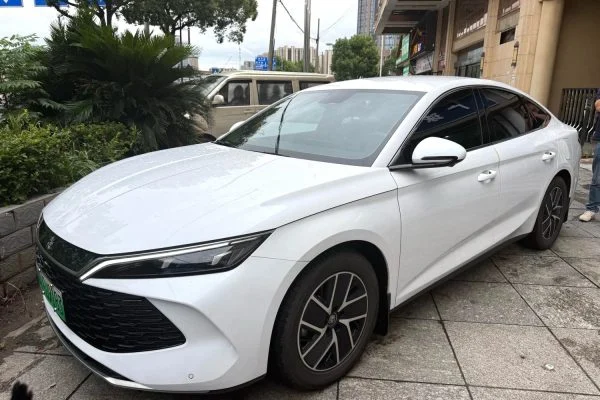
2024 BYD Qin L DM-i 80km Leading Edition (6,900 km / 163 HP) – Hybrid Sedan
- 2024
- 6,900 km
- Automatic
- Plug-in Hybrid
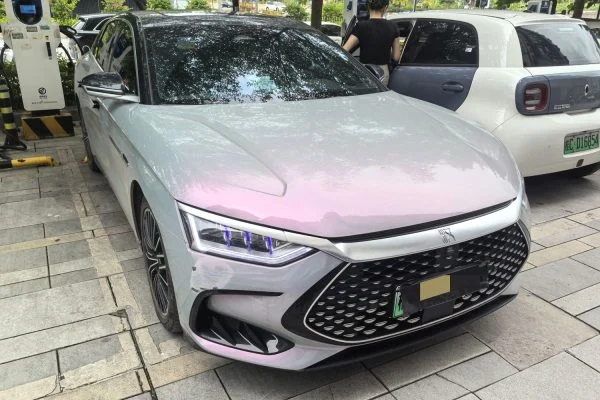
2022 BYD Han DM-i 121KM Premium Edition for Sale – 197 hp PHEV, 121 km EV Range, Export Ready
- 2022
- 50,800 km
- Automatic
- Plug-in Hybrid
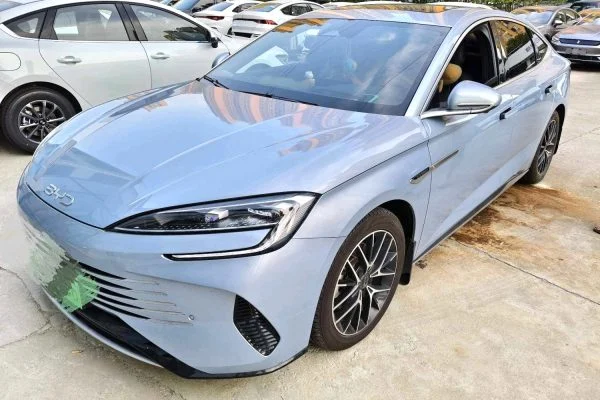
2024 BYD Seal DM-i 1.5L 121km Luxury Edition (49,000 km / 197 HP) – Mid-Size PHEV Sedan
- 2024
- 49,000 km
- Automatic
- Hybrid
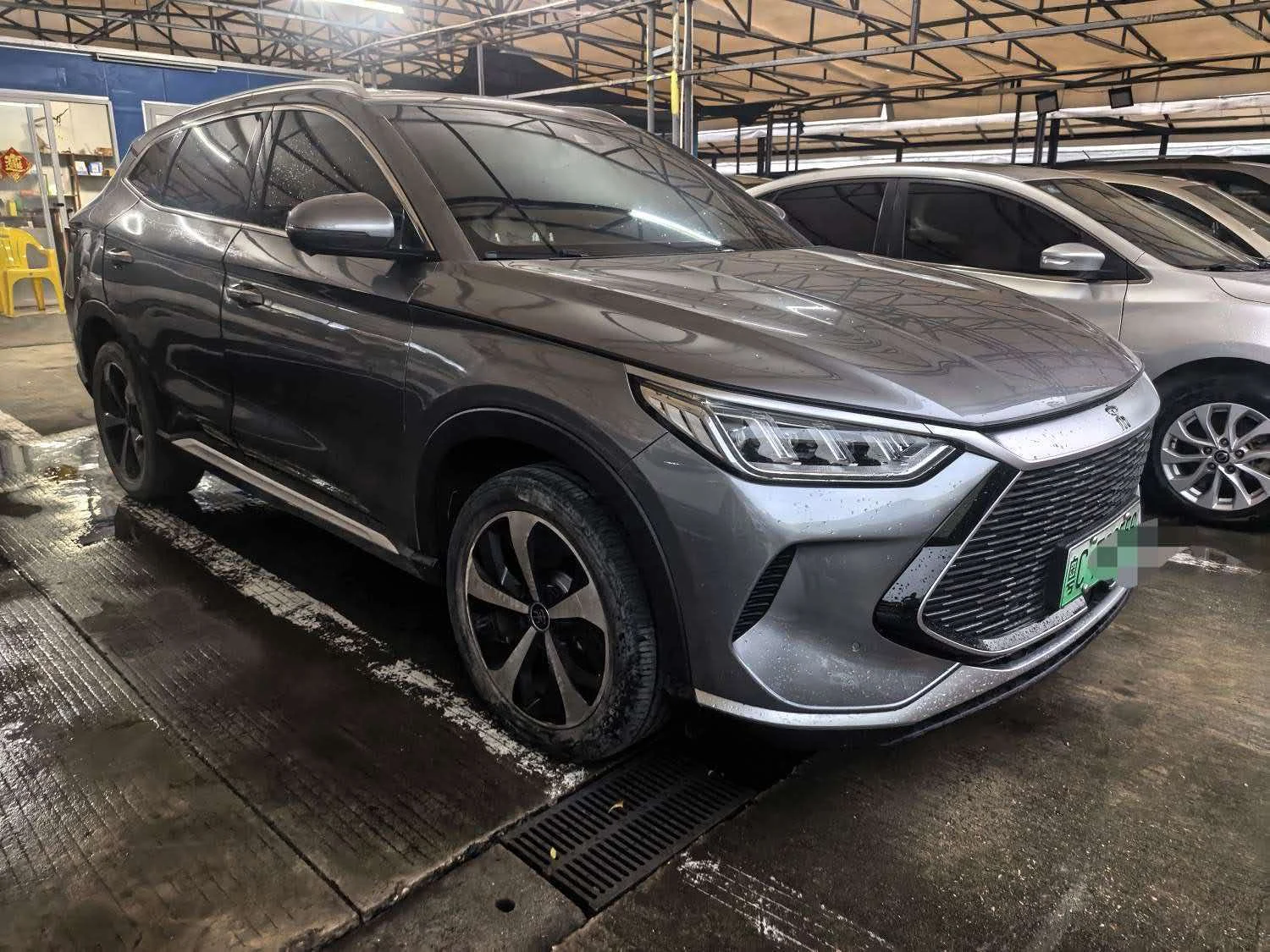
2021 BYD Song PLUS DM-i 51KM Zungui (177HP FWD / 21k km) Plug-in Hybrid SUV
- 2022
- 21,000 km
- Automatic
- Plug-in Hybrid