









Used EV Odometer Fraud in China: How to Spot It

Roughly one in eight used Chinese EVs offered for export shows signs of odometer tampering. Digital dashboards make rollbacks harder to spot than on mechanical clusters, but not impossible.
EVs are a target because a low mileage figure implies a healthy battery. Sellers know that range anxiety drives buyers, so a fake low odometer can add $3,000-$5,000 to a car’s apparent value.
How do you detect a rolled-back digital odometer?
You cannot read it from the dash alone. The reliable method is to pull the mileage stored in the battery management system and compare it with the dashboard. On most Chinese EVs the BMS logs cumulative kilometres independently.
A mismatch of more than 5% between BMS and dash is a red flag. Any reputable exporter should be able to produce a BMS scan on request. If they refuse, walk away.
What other signs point to tampering?
Wear tells the truth even when numbers lie. Look for these inconsistencies:
- Driver’s seat bolster and floor mats worn far beyond the stated mileage
- Brake pedal rubber polished thin on a “20,000 km” car
- Tyre date codes older than the claimed mileage implies
- Service records with gaps or dates that do not match the odometer
Why are EVs easier to fake?
Older cars had a mechanical drum that left physical trace of adjustment. Digital clusters can be reprogrammed with widely available tools, and on some models the mileage is stored in a module that is cheap to replace or reflash.
The counterpoint is that the BMS often keeps its own log, which most tamperers do not touch. That is why the BMS scan is the single most valuable check you can order.
Which cars are most affected?
High-demand, low-supply models attract fraud. City EVs that sell quickly abroad are common targets. When checking a 2022 GAC Aion V Plus 80, a 2021 BYD Qin Plus DM-i or a 2019 Geely Emgrand GSE 500, request the BMS report before you pay a deposit.
What should your contract say?
Write the stated mileage, the BMS reading and a penalty clause into the sales contract. If the two disagree on delivery, you want a refund path, not an argument. Also photograph the dashboard and the BMS screen on the same day so you have dated evidence.
Most rollbacks happen upstream, at trade-in or auction, not at the export dealer. That means a clean-looking dealer can still be passing on a tampered car without knowing it. Your protection is the scan, not the seller’s reputation.
Key Takeaways
- About one in eight used Chinese EVs offered for export shows odometer tampering.
- Compare the dash mileage with the BMS log; a 5% mismatch is a red flag.
- Interior wear, tyre date codes and service gaps expose rolled-back cars.
- Put the BMS reading and a penalty clause in the contract.
Related Vehicles
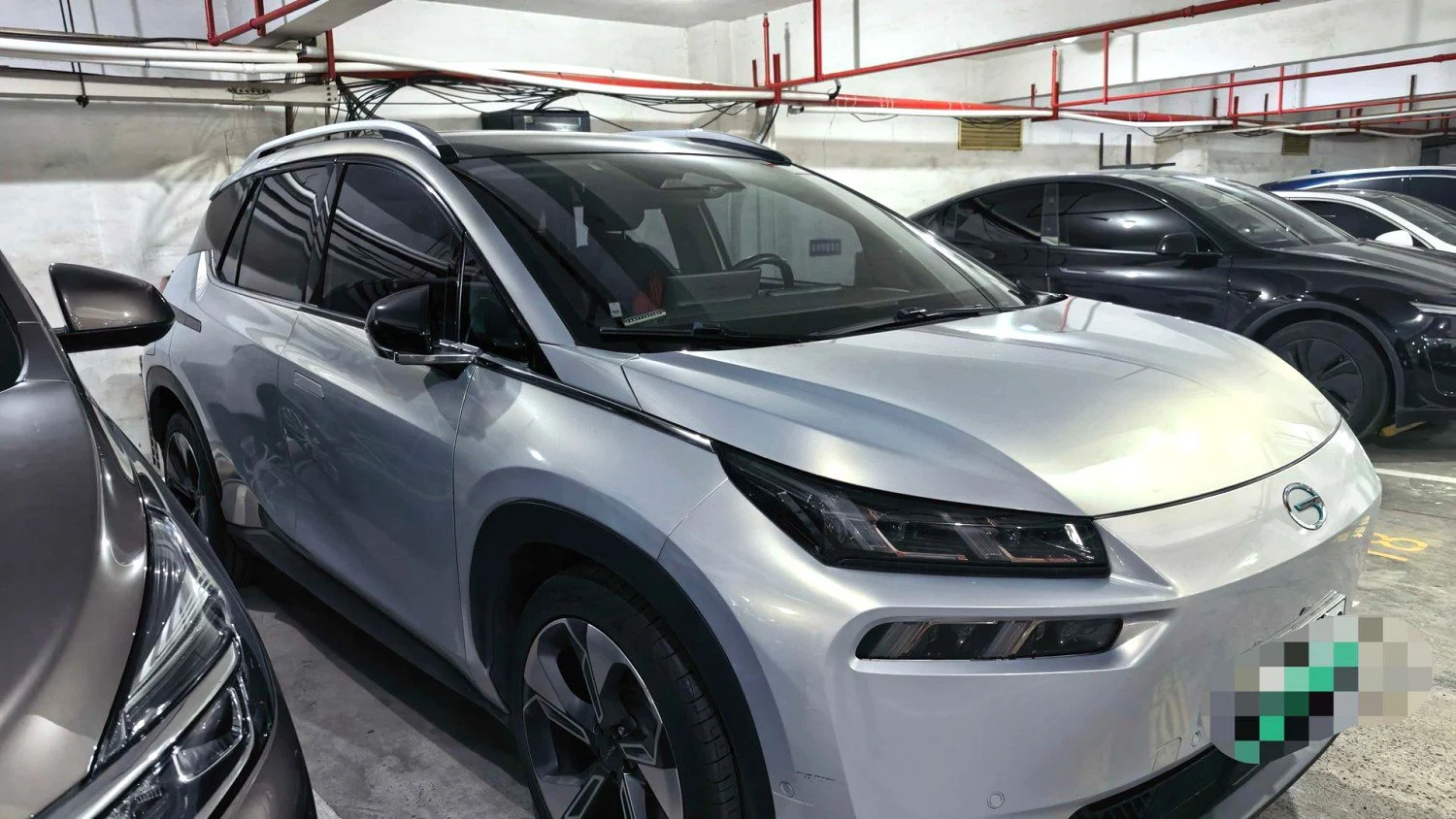
2022 GAC Aion V PLUS 80 Executive | Long Range EV – Super Value @ $28,800
- 2022
- 50,000 km
- Automatic
- Electric

2021 BYD Qin PLUS DM-i 55KM Premium (1.5L PHEV / Blade Battery) Hybrid Sedan
- 2023
- 78,000 km
- Automatic
- Plug-in Hybrid
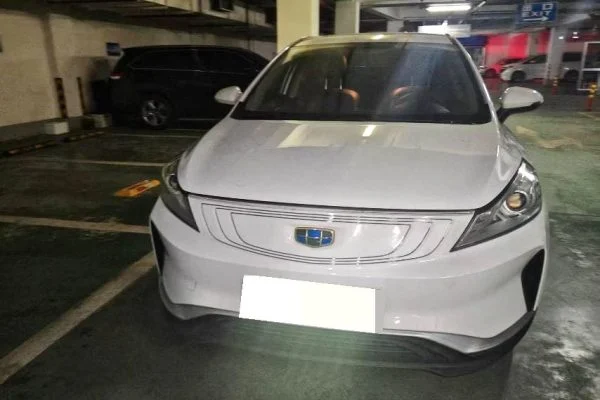
2019 Geely Emgrand GSe 500 Lingshang Edition for Sale – 163 hp EV, 400 km Range, Export Ready
- 2020
- 64,000 km
- Automatic
- Electric