









Used EV Battery Health: How to Check Before You Buy
Ask for a battery management system (BMS) scan, not a dashboard photo. The scan shows state of health (SoH), cell balance and cycle count. Anything above 90% SoH at four years old is normal; below 85% deserves a discount or a walk-away.
How fast do used EV batteries actually degrade?
Most lithium packs lose 2%-4% of capacity per year, faster if the car was fast-charged daily or lived in extreme heat. A 2021 BYD Tang DM with average use should show 88%-93% SoH today. A car sitting at 80% after three years has been abused.
Chemistry matters too. LFP packs, like those in many Chinese EVs, hold up better than older NMC cells and tolerate full charging. That is part of why used LFP cars command slightly higher prices.
What should a good BMS report contain?
- State of health (SoH): the headline number, as a percentage of original capacity.
- Cell voltage spread: a healthy pack stays within about 30-50 mV; wider means weak cells.
- Cycle count: compare against age and mileage to spot odometer fraud.
- Max and min cell temperature history: flags overheating events.
- Fast-charge count: heavy DC use accelerates wear.
How do you spot a fake battery report?
Distrust screenshots. Ask for the raw export file or a video of the scan running on the actual car with the VIN visible. Sellers who resist are selling something they do not want you to measure. Cross-check the cycle count against mileage; a car with 60,000 km and 400 cycles is plausible, one claiming 60,000 km and 40 cycles is not.
Is a degraded battery ever a good buy?
Yes, if you price it right. An 82% SoH 2021 ARCFOX Alpha T 653S+ can still serve a fleet doing short daily runs. The rule is simple: for every point below 90% SoH, expect a meaningful discount. A pack replacement on a large SUV can exceed $6,000, so never pay near-full price for a tired battery.
What about warranty on an exported EV?
Most Chinese manufacturer warranties are void once the car leaves the country. Some brands honour them regionally, but assume you are buying as-is. That makes the BMS scan the only real protection you have, which is why serious export buyers never skip it.
Key Takeaways
- Always demand a BMS scan, not a dashboard photo.
- Batteries lose 2%-4% capacity per year; 88%-93% SoH is normal at four years.
- Check cell voltage spread, cycle count and fast-charge history, not just SoH.
- Discount hard below 90% SoH; replacements can exceed $6,000.
- Factory warranties usually do not survive export, so the scan is your only safeguard.
Related Vehicles
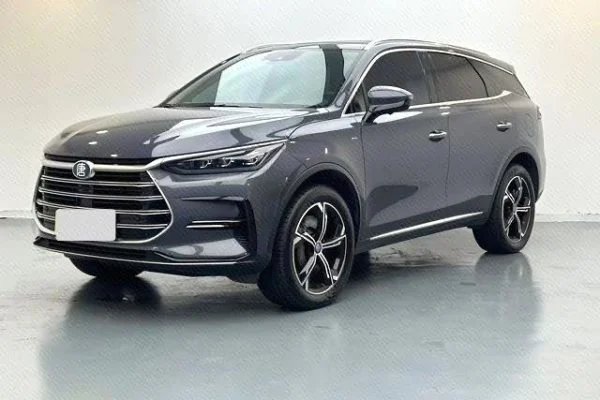
2021 BYD Tang DM 2.0T High Performance AWD (586HP / 7-Seater) PHEV SUV
- 2021
- 67,000 km
- Automatic
- Plug-in Hybrid
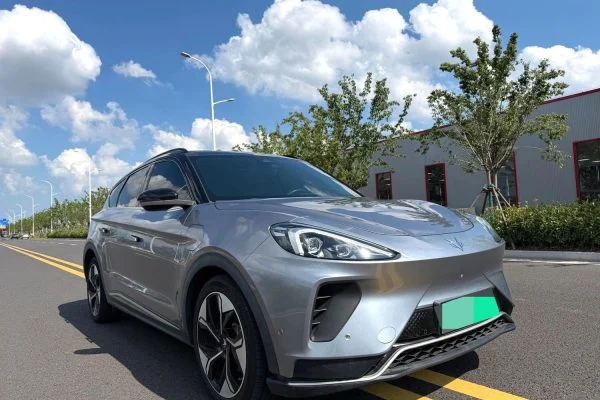
2021 ARCFOX Alpha T 653S+ (175kW / 238HP) Long Range Electric SUV
- 2022
- 88,000 km
- Automatic
- Electric
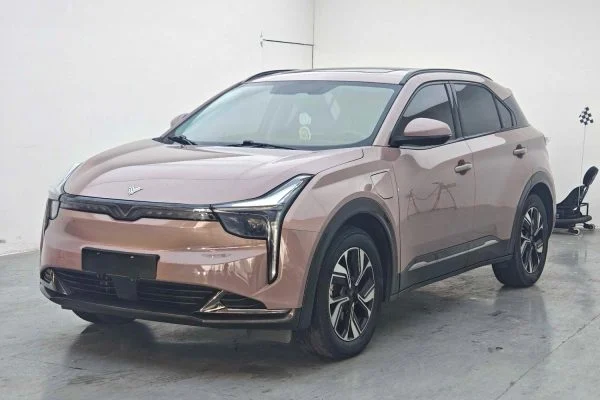
2022 Neta U-Ⅱ 400 LFP Electric SUV for Sale – 163 hp EV, 401 km Range, Export Ready
- 2022
- 24,000 km
- Automatic
- Electric