









Used EV Battery Health Checks in 2026: A Buyer’s Guide

A used EV battery should show 95%+ state of health (SOH) at two years and 88%+ at five years. If a seller won’t provide a BMS scan, treat the price as if the battery is failing — because you cannot tell otherwise.
The battery is 30-40% of a used EV’s value. Getting it wrong turns a bargain into a write-off. This is the check that matters most when importing from China.
What SOH should you expect by age?
- 1-2 years old: 95-98% SOH typical.
- 3-4 years old: 90-95% SOH typical.
- 5+ years old: 85-90% SOH typical; below 85% is a concern.
- LFP vs NCM: LFP packs usually degrade more slowly but lose cold-weather range.
On a 2025 car like the BYD Seagull, anything under 90% suggests hard fleet use. On a 2024 Xiaomi SU7, being newer, you should see 95%+.
How do you actually get the data?
Ask for a BMS (battery management system) scan report showing SOH, cell balance and cycle count. A good report lists the weakest cell — a single weak cell drags the whole pack. Independent third-party inspection is worth the small fee on any car you cannot see in person.
Cycle count matters too. A car with 1,500 cycles is closer to end-of-life than one with 400, even at similar SOH. DC fast charging accelerates cycle wear, so ask how often it was fast-charged.
What are the red flags?
- Seller refuses to provide SOH or a BMS report.
- Report shows a large gap between strongest and weakest cells.
- Range is far below the spec sheet in a test drive.
- Signs of battery repair, replacement or flood damage.
Weather and charging habits both leave marks. A car from a hot climate can show thermal degradation; one charged mostly on DC shows higher cycle wear. Ask where it lived and how it was charged, and cross-check against the scan.
Key Takeaways
- Target 95%+ SOH at two years, 88%+ at five years.
- Always demand a BMS scan showing SOH, cell balance and cycle count.
- A single weak cell can drag the whole pack; check cell balance.
- DC-heavy use and hot climates accelerate battery wear.
Related Vehicles
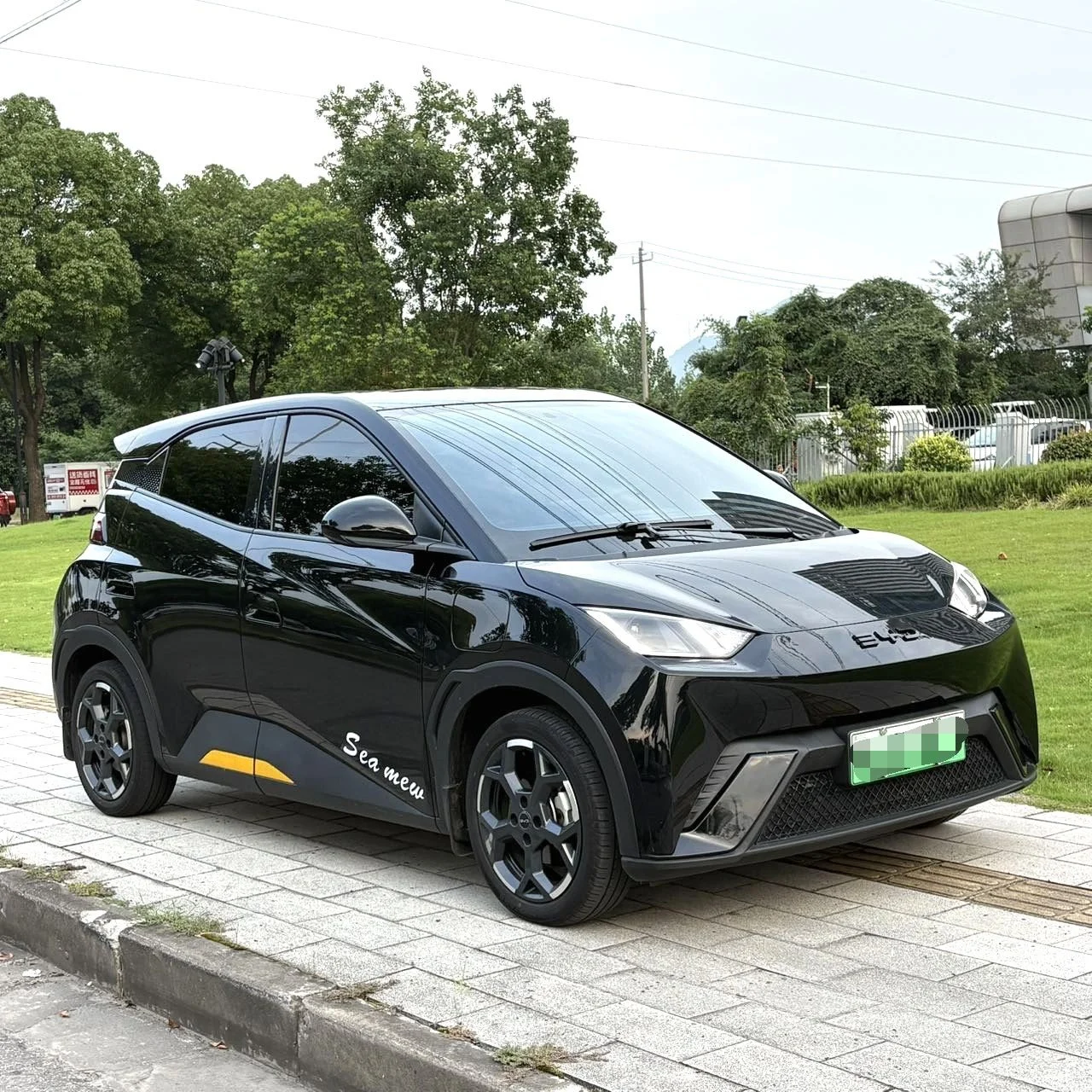
2025 BYD Seagull (Dolphin Mini) 305km Freedom Edition – Compact City EV | Ready to Ship
- 2024
- 35,000 km
- Automatic
- Electric
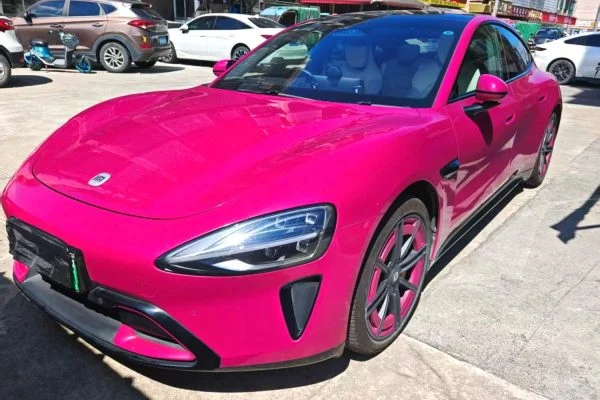
2024 Xiaomi SU7 Founder Edition RWD (299HP / 700km Range) Electric Sedan
- 2025
- 50,000 km
- Automatic
- Electric
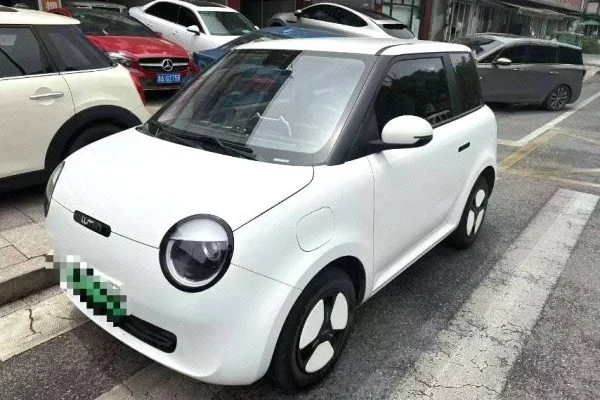
2022 Changan Lumin 301km Mitian Edition (35kW / 48HP) Mini Electric City Car
- 2022
- 18,000 km
- Automatic
- Electric
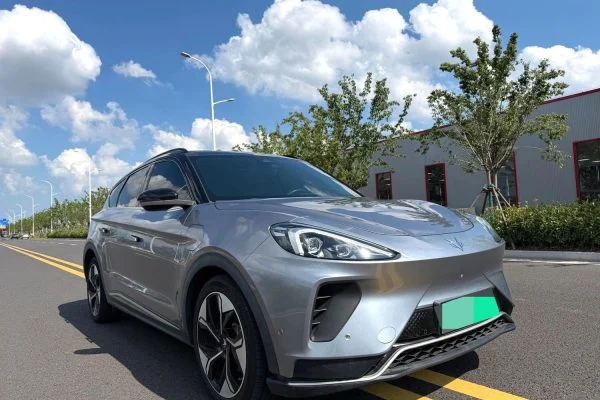
2021 ARCFOX Alpha T 653S+ (175kW / 238HP) Long Range Electric SUV
- 2022
- 88,000 km
- Automatic
- Electric