









Used EV Battery Health in 2026: How to Read an SOH Report

Battery state of health (SOH) measures a used EV pack’s remaining capacity versus new; in 2026 target above 92% for a car under 30,000 km and treat anything below 85% as a price negotiation. Mileage tells you less than the SOH number.
Overseas buyers fixate on kilometres. In an electric car the odometer is the weaker signal. A 20,000 km car that fast-charged daily can be in worse shape than a 60,000 km car that charged slowly at home. Only the battery management system knows the truth.
What SOH number should you accept in 2026?
Use these as rules of thumb for a used Chinese EV.
- Under 30,000 km: expect 94-99% SOH; push back below 92%
- 30,000-60,000 km: expect 90-95%; below 88% needs a discount
- Above 60,000 km: 85-92% is normal; below 85% is a real problem
An LFP pack like the one in a Geely Panda Mini or a BYD entry model degrades slowly and may read 95% at 50,000 km. An NCM pack, used in performance trims like the Xiaomi SU7 Max, degrades faster, especially in hot climates.
How do you get a real SOH report?
Ask for a BMS scan from a brand-authorised workshop, not a screenshot from a seller’s phone. The report should show pack capacity, cell voltage spread, module temperatures and the number of fast-charge cycles. Cell voltage spread above 50 mV suggests an imbalance that will worsen.
For the ARCFOX Alpha T and similar 90 kWh models, a scan is easy because the brand has workshop tools. For niche models, the scan may need a third-party diagnostic. Budget for it.
What does a low SOH actually cost you?
A pack at 85% instead of 95% costs roughly 10% of real range — about 50 km on a 500 km car. At resale it can knock 15-25% off the price. On a replacement basis, a new pack for a large Chinese EV runs $6,000-$14,000, which can exceed the car’s value.
So an SOH-driven discount is not haggling for its own sake. A car at 84% SOH should be 20% cheaper than an identical car at 94%, because the buyer carries the replacement risk.
What about the warranty?
Many Chinese brands offer 8-year or 150,000 km battery warranties, but they are usually tied to the original owner and to service within the brand network. Export voids them in most cases. Do not count on a China warranty abroad — price the car as if there is none.
Key Takeaways
- Target SOH: above 92% under 30,000 km; below 85% is a red flag.
- Report: demand a brand-workshop BMS scan, not a phone screenshot.
- Chemistry: LFP degrades slowly, NCM faster in heat.
- Cost: 85% vs 95% SOH can cut resale value 15-25%.
- Warranty: Chinese battery warranties usually do not transfer on export.
Related Vehicles
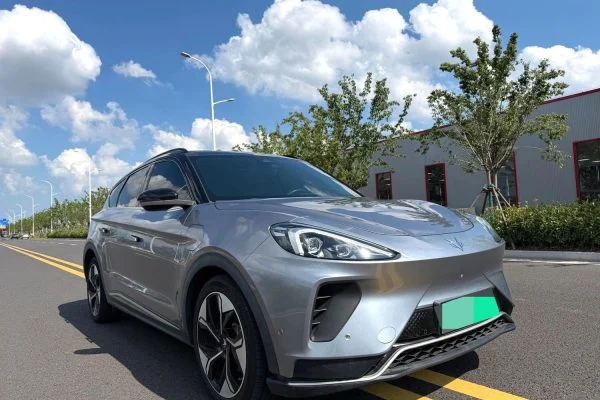
2021 ARCFOX Alpha T 653S+ (175kW / 238HP) Long Range Electric SUV
- 2022
- 88,000 km
- Automatic
- Electric
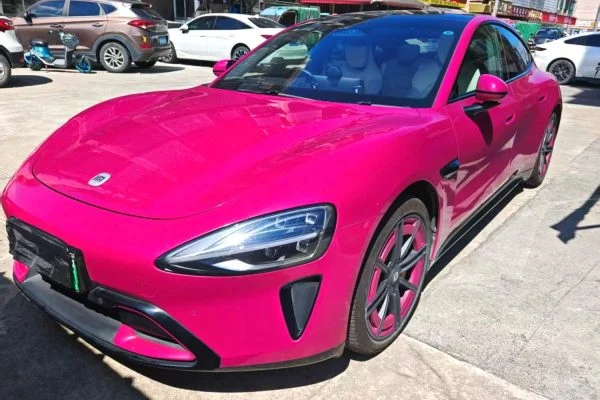
2024 Xiaomi SU7 Founder Edition RWD (299HP / 700km Range) Electric Sedan
- 2025
- 50,000 km
- Automatic
- Electric
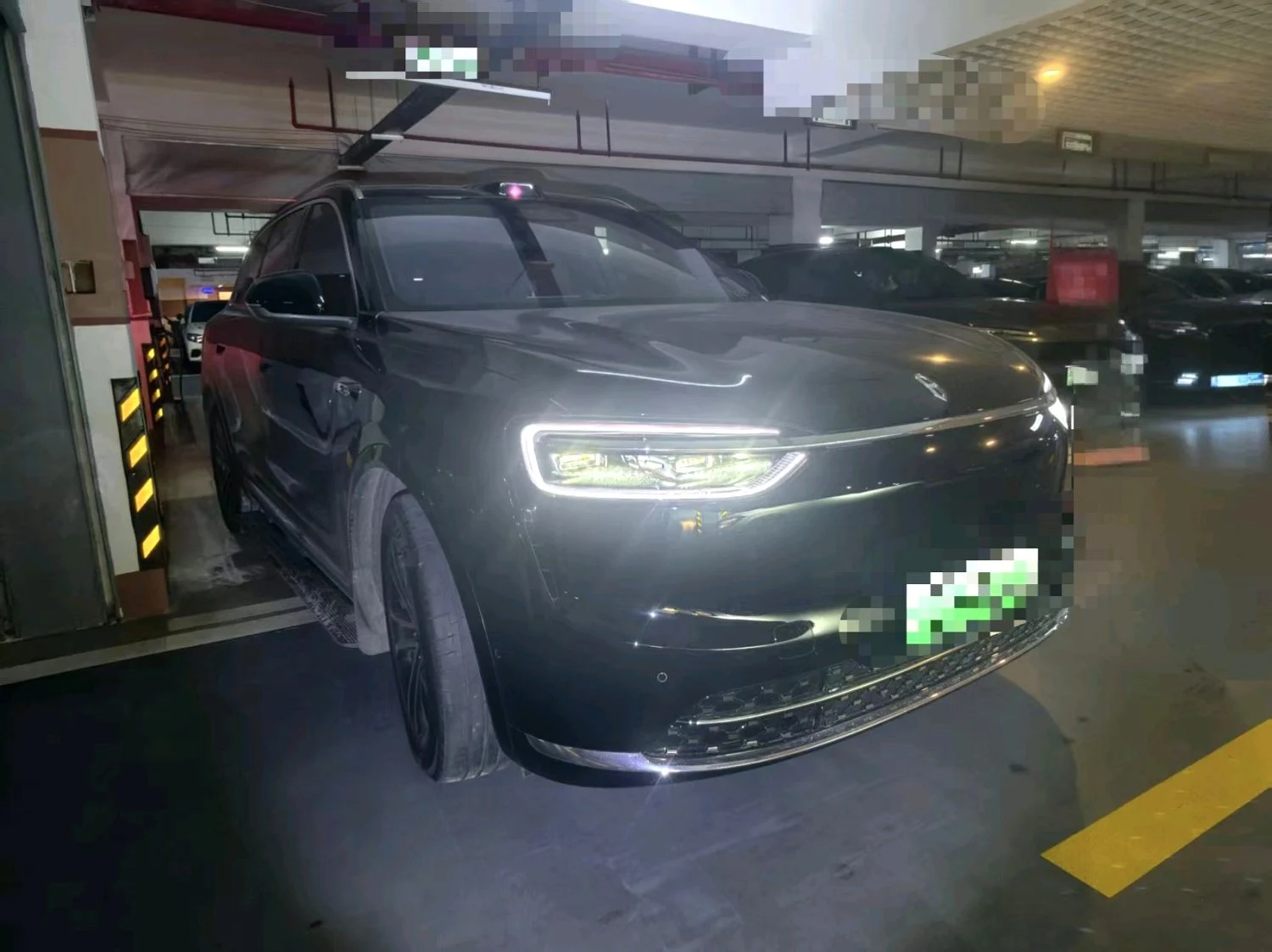
2026 AITO M7 Ultra EREV 4WD (449HP / 192-Line LiDAR) 5-Seater Luxury SUV
- 2025
- 4,000 km
- Automatic
- Plug-in Hybrid