









Used EV at $18,000 vs $25,000 in 2026: What the Extra Buys
Moving from an $18,000 used EV to a $25,000 one buys you roughly 150 km of extra real-world range, a quieter cabin and 800V-style charging — not a more reliable car. Both price bands are full of cars with LFP batteries and 8-year warranties. The last $7,000 is about comfort and long-distance ability, and whether that matters depends entirely on how you drive.
What does $18,000 buy in a used EV in 2026?
At $16,000-18,000 FOB China you are in compact SUV territory with 500 km-plus CLTC claims.
- 2023 BYD Song PLUS EV Champion 520 km — 204 hp, Blade pack, family-size cabin, strong parts support.
- 2024 Leapmotor C11 580 km — 272 hp, 78.5 kWh LFP, mid-size SUV proportions at compact money.
- 2024 Volkswagen ID.3 450 km — 52.8 kWh CATL cells, best chassis in this group, smaller cabin.
All three are 2023-2024 cars with under 40,000 km. None of them is a compromise on build quality. What they lack is a 700 km range claim and the newest driver-assistance hardware.
What does $25,000 buy instead?
- 2023 Tesla Model 3 Highland 606 km — 60 kWh LFP, best software support, 15-80% in 25 minutes on a V3 charger.
- 2026 MG 07 610 km LiDAR Edition — 67 kWh, 176 kW, driver-assist hardware that is genuinely current.
- 2026 ONVO L60 60 kWh — NIO’s sub-brand, 900V platform, battery swap compatible in supported markets.
The pattern is clear: the extra money buys platform generation, not durability. An 800V car charges twice as fast and holds value slightly better, but it does not fail less often.
Is the extra range actually worth $7,000?
Do the arithmetic on your own week. If you drive 40 km a day and charge at home, extra range is dead weight — you will use 20% of the pack most days. Over five years the $18,000 car costs you less in depreciation and the same in energy.
If you drive 200 km days twice a month and rely on public charging, the math flips. Going from a 380 km real-range car to a 480 km car removes one charging stop per trip, and 25-minute charging versus 40 minutes compounds over a year. On that usage pattern, $7,000 buys back 30-40 hours annually.
Which cars are worth cross-shopping right now?
At the lower price, the 2024 Leapmotor C11 580 Premium is the value benchmark — 272 hp and 78.5 kWh for well under $20,000. The 2023 BYD Song PLUS EV Champion Edition is the safer choice on parts. If you step up, the 2023 Tesla Model 3 Highland RWD is the car most buyers end up choosing, and the 2026 ONVO L60 is the one that feels genuinely newer.
Where the cheaper car costs more later
Two places. Resale: a Tesla or an 800V Chinese car holds value better in most export markets, so $7,000 of the premium often comes back at sale. Charging infrastructure: cars with slower DC charging spend more time at public chargers, and in countries where charging is metered by session rather than kWh, that is a recurring cash cost.
Conversely, the cheaper car wins on insurance. A $18,000 EV costs 20-30% less to insure than a $25,000 one in most markets, and parts for a Leapmotor C11 are cheaper than for a Tesla. Over five years that difference is real money in the opposite direction.
Which should you actually buy?
Buy at $18,000 if you charge at home, drive under 100 km most days, and plan to keep the car five years or more. Buy at $25,000 if you fast-charge weekly, drive intercity, or care about resale and software updates. Do not buy at $25,000 just because it feels safer — the reliability gap between these two bands is close to zero.
Key Takeaways
- $16,000-$18,000 FOB China buys a 2023-2024 compact or mid-size EV with 500-580 km CLTC range and under 40,000 km.
- $24,000-$27,000 buys 600 km-plus range, 800V charging and the newest driver-assist hardware.
- The extra $7,000 buys platform generation and charging speed — not reliability.
- If you charge at home and drive short distances, the cheaper car wins on total cost of ownership.
- The premium partially returns at resale in most markets, but costs 20-30% more to insure.
Related Vehicles
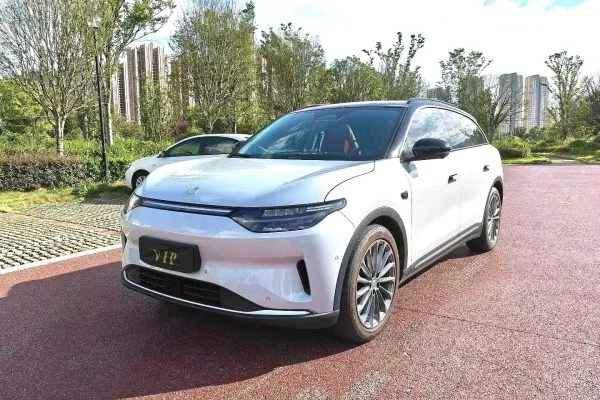
2024 Leapmotor C11 580 Premium Edition for Sale – 272 hp EV, 580 km Range, Export Ready
- 2024
- 21,000 km
- Automatic
- Electric
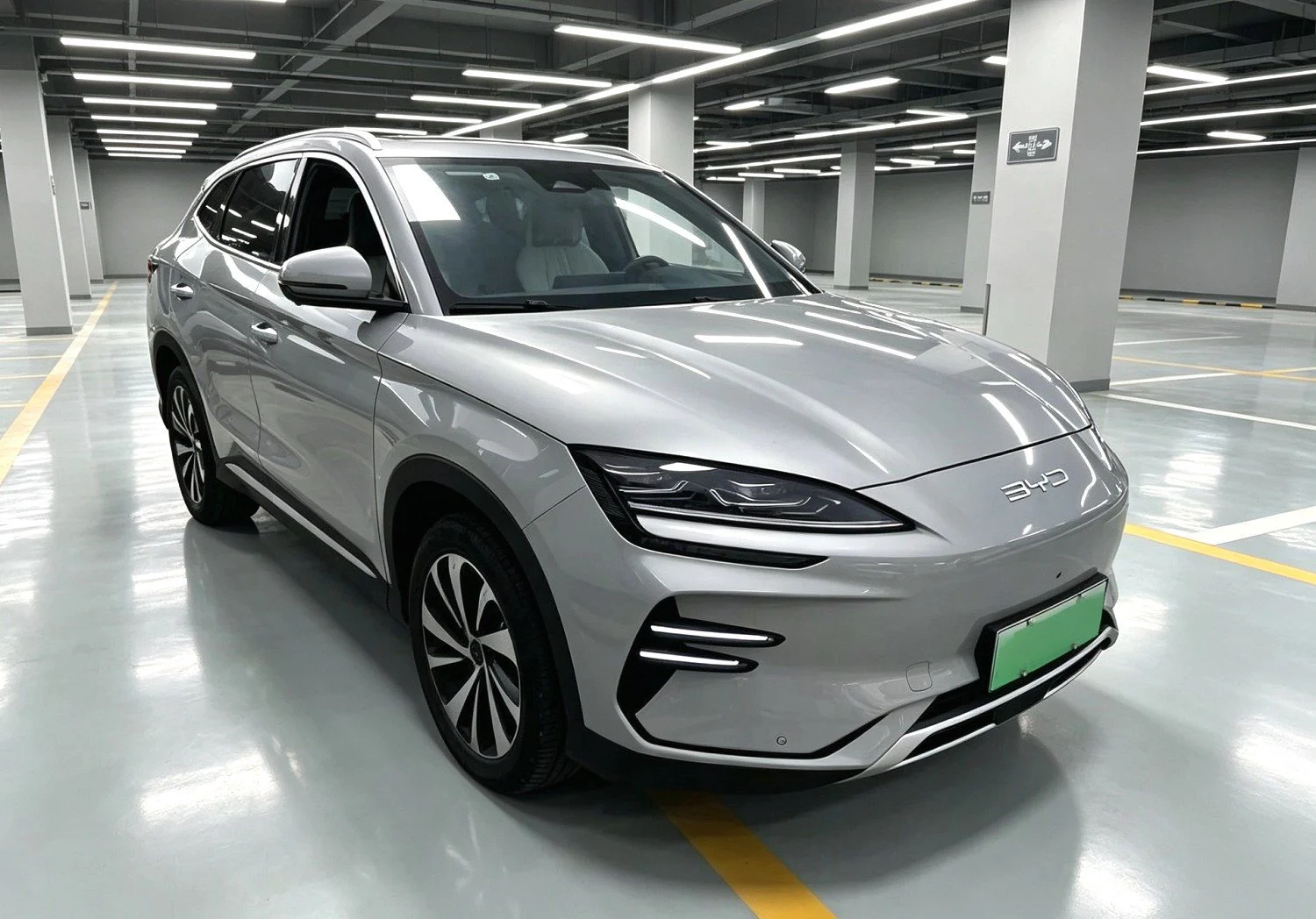
2023 BYD Song PLUS EV Champion Edition 520km Flagship (204HP FWD / Seal U) Electric SUV
- 2024
- 4,000 km
- Automatic
- Electric
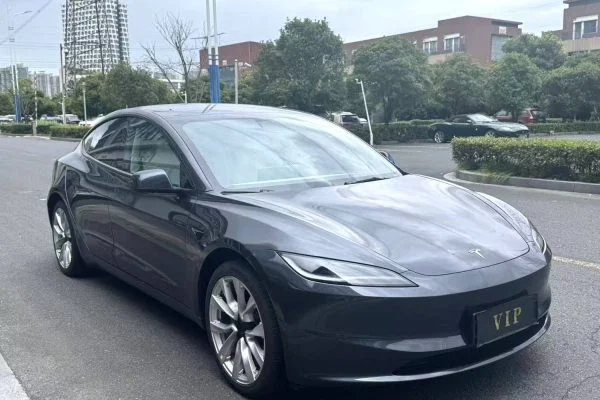
2023 Tesla Model 3 Highland RWD for Sale – 264 hp EV, 606 km Range, Export Ready
- 2024
- 40,000 km
- Automatic
- Electric
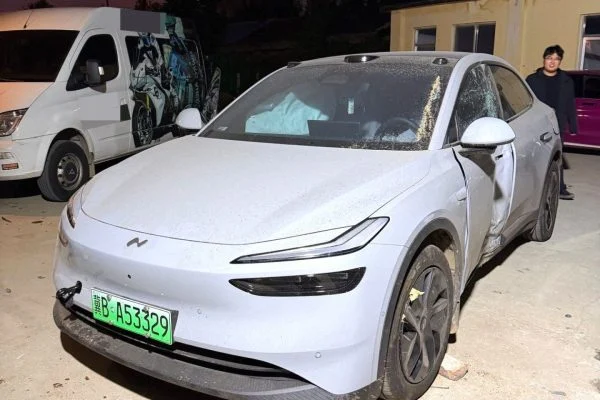
2026 ONVO L60 60kWh Max+ for Sale — 3,000 km, White/Red, Dezhou Stock, FOB Qingdao
- 2026
- 3,000 km
- Automatic
- Electric