









Used Electric Cars With Low Mileage: 2026 Under-30,000 km Picks

A low-mileage used electric car under 30,000 km in China sells for 15-25% more than an identical 70,000 km car, but the battery may be in the same condition. Calendar ageing, charging habits and climate matter as much as distance travelled, and that gap is where buyers overpay.
Mileage still matters for suspension, seats, door seals and the interior. It just does not tell you much about the pack. Understanding that split is how you avoid paying $3,000 for a number on a dashboard.
What does under 30,000 km really mean for a used EV?
Roughly 200-350 full charge cycles on a typical urban car. Most LFP packs are rated for 3,000+ cycles to 80% capacity, so cycle wear at this mileage is negligible. Structural wear is where the kilometres show: bushings, dampers, brake discs (which rust through disuse on EVs), and the driver’s seat bolster.
The counterintuitive risk is a car that sat. A 2022 EV with 8,000 km that spent two years parked at 100% charge in a hot yard may test worse than a 2022 car with 60,000 km that was driven daily and kept at 60%. I have seen this pattern repeatedly in Chinese auction data.
What do near-new Chinese EVs cost in 2026?
| Car | Mileage | FOB price | Notes |
|---|---|---|---|
| ONVO L60 60 kWh Max+ | 3,000 km | $19,000-$22,000 | 2026 model, swap-capable |
| Baojun Yep Zhizun | under 10,000 km | $8,500-$9,800 | 303 km, boxy off-road look |
| Chery eQ1 Little Ant | 25,000 km | $5,900-$7,200 | 301 km, city only |
The L60 is the standout. It is a 2026 model year car with delivery mileage, priced 30-35% below what the same spec costs new. The reason is simple: Chinese EV discounting is brutal and the L60 launched into a price war.
Is the Baojun Yep a real off-roader?
No, and sellers who imply otherwise are wasting your time. The Yep is a rear-drive 68 hp city car with a 303 km LFP pack and boxy, Jimny-adjacent styling. It has 150 mm of ground clearance and no low range. It will handle a dirt road and a flooded street. It will not handle real rocks.
What it does well: it looks distinctive, it is genuinely small enough for tight streets, and near-new examples at $8,500-$9,800 undercut equivalent imported kei-EV crossovers. If you want the look and accept city performance, it is honest value.
Why do low-mileage EVs depreciate hardest?
New Chinese EV prices fell faster than used prices for two years. That compresses the used market from above. A 2023 car with 8,000 km still carries “almost new” expectations, but the 2026 new equivalent may now cost less than the used car did at launch. Sellers who bought at full price resist cutting, so listings sit unsold for months.
That stalemate is a buyer’s opportunity. Cars listed 90+ days have sellers with fatigue and storage costs. Make a firm offer 12-18% under ask with an SOH report as a condition, and low-mileage stock often moves.
What should you inspect first on a low-mileage EV?
- Battery SOH and cell voltage spread. Below 90% SOH on a sub-30,000 km car suggests storage abuse.
- Build date vs registration date. A car built in 2021 and first registered in 2024 sat somewhere. Ask where.
- Brake discs. Rust pitting from disuse is common and cheap to fix, but it is evidence of how the car was kept.
- Tyre date codes. Original 2021 tyres on a 2024 car mean four years of UV exposure before use.
- Infotainment software version. Sitting cars often miss OTA updates and lose map and app access.
Is low mileage worth the premium?
At 15% premium, usually yes. It buys interior condition, suspension life and a longer warranty runway. At 30% premium, usually no. A 60,000 km BYD Seagull with a clean SOH report at $8,400 is a better purchase than a 9,000 km example at $10,900, because the extra $2,500 buys you almost nothing the battery cares about.
Key Takeaways
- Low mileage affects body and interior wear more than battery condition.
- Calendar ageing and storage habits can outweigh kilometres on an EV.
- 2026 near-new imports: ONVO L60 at $19,000-$22,000, Baojun Yep at $8,500-$9,800.
- A 15% premium for low mileage is fair; 30% is not.
Related Vehicles
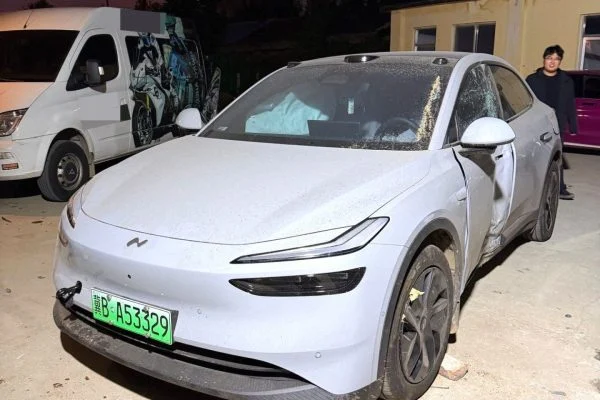
2026 ONVO L60 60kWh Max+ for Sale — 3,000 km, White/Red, Dezhou Stock, FOB Qingdao
- 2026
- 3,000 km
- Automatic
- Electric
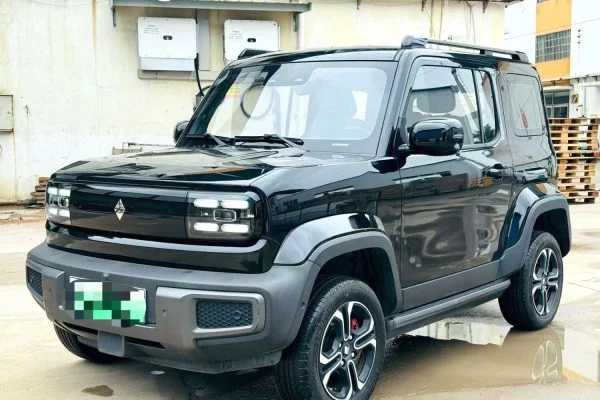
2024 Baojun Yep Zhizun Edition for Sale – 303 km Range, 68 hp EV, Export Ready
- 2024
- 15,000 km
- Automatic
- Electric
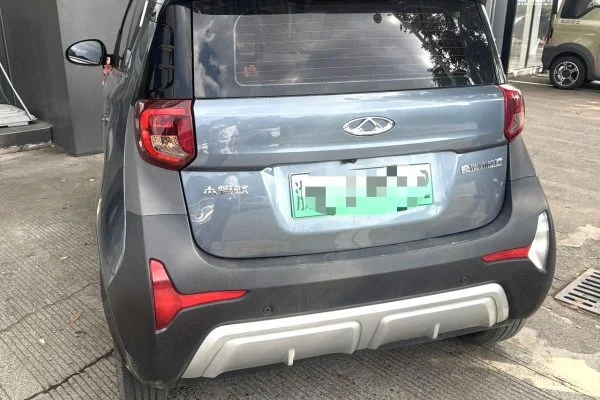
2022 Chery eQ1 Little Ant Tianfen Full Sugar Edition for Sale — 25,000 km, 30.6 kWh, 301 km, Hangzhou Stock
- 2022
- 25,000 km
- Automatic
- Electric