









Used Electric Cars Under $10,000: What $10K Buys in 2026

A used electric car under $10,000 in China in 2026 usually means a 2022-2024 compact hatchback with a 25-40 kWh battery and 200 to 400 km of CLTC range. Think BYD Seagull, Wuling Bingo and Chery eQ1 Little Ant. You get a real car with airbags, AC and DC fast charging. You do not get highway silence or a 500 km road trip.
The $10,000 ceiling is the most crowded band in the used EV market right now, and also the one where sellers get vague. China’s domestic used market has pushed these cars down hard since 2024, so the money buys more car than most overseas buyers expect.
What does $10,000 actually buy from China in 2026?
Three models cover most of the supply. Prices below are FOB China in USD, for LHD cars with clean titles.
| Model | Year & trim | Battery / range | Typical FOB |
|---|---|---|---|
| BYD Seagull Vitality Edition | 2023, 13,000 km | 30.08 kWh / 305 km CLTC | $8,200-$9,600 |
| Wuling Bingo Light Edition | 2024, low km | 17.3 kWh / 203 km CLTC | $6,400-$7,800 |
| Chery eQ1 Little Ant | 2022, 25,000 km | 30.6 kWh / 301 km CLTC | $5,900-$7,200 |
Notice the gap between the three: almost $4,000 between the cheapest Bingo and the Seagull. That gap buys you a bigger battery, faster DC charging and, in the Seagull’s case, BYD’s Blade LFP pack, which is the single most requested battery type among overseas buyers of Chinese EVs.
Is a 305 km CLTC car usable outside China?
Mostly yes, if you are honest about CLTC math. Chinese range numbers are optimistic. Plan on 75-80% in mixed driving and closer to 60% at a steady 110 km/h. A Seagull rated at 305 km CLTC realistically does 230-245 km around town and around 170-185 km at highway speed.
For a second car in a city with a garage charger, that is fine. For a single-car household doing 90 km round trips on a motorway in winter, it is not. I would not sell a Seagull to someone who commutes 120 km a day in a cold climate. They will be unhappy by February.
What the sticker does not include
Budget £8k or $9k and the car is the easy part. The rest shows up later:
- Shipping and port handling: roughly $1,100-$1,800 for a 20ft container to the Middle East or Africa, more to Latin America.
- Compliance: destination-country homologation or inspection can run $300-$900 on a small EV. Some markets simply refuse ex-China minicars.
- Charging cable and adapter: $150-$400. Chinese cars often ship with a domestic AC cable only.
- Battery check: a proper SOH scan before you pay, not after. Sellers who refuse a BMS readout are selling you a problem.
So a “$9,000” Seagull lands at $11,000-$12,000 in your driveway. Still cheap. Just do not build the budget on the FOB number alone.
Which sub-$10K car should you pick?
If you want the least risk, take the Seagull. Parts network across Asia, Africa and Latin America is the deepest of any Chinese city EV, and the LFP pack tolerates being left at 100% without the calendar ageing you see on older NMC cells.
If you want the lowest entry price and only need 60-80 km a day, the Bingo is hard to argue with. Its 17.3 kWh pack is small, though. Expect 150 km of real town range, and no meaningful highway use.
What about a $10K budget for something bigger?
You can occasionally find a 2021 BYD e2 or a high-mileage 2019 BAIC EU300 right at the ceiling, but condition starts to matter more than spec. At this money, a compact hatch in good shape beats a tired sedan with a bigger badge. Battery health reports vary wildly by seller, so ask for cell voltage spread and a full charge cycle log.
If you can stretch to $13,000-$14,000, the choice opens up considerably: Yuan UP, Bingo 333 km, Leapmotor T03 403. That extra $4k buys roughly 100 km more real range and a car that can leave the city.
Key Takeaways
- $10,000 FOB in 2026 buys a 2022-2024 Chinese city EV with 200-400 km CLTC range.
- Expect 60-80% of the CLTC figure in real driving, less on motorways.
- Add $1,500-$3,000 for shipping, compliance and accessories before it is road-ready.
- BYD Seagull is the safest sub-$10K pick on parts availability and LFP battery life.
Related Vehicles
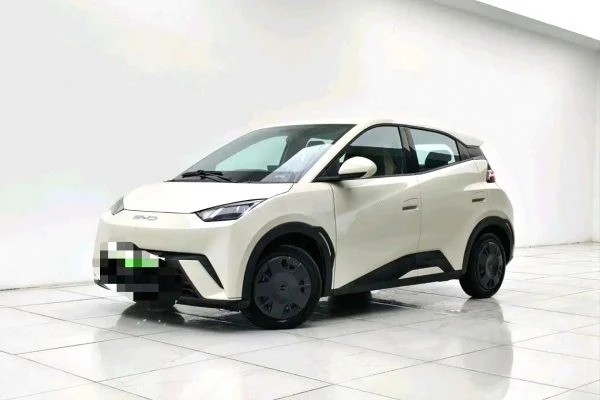
2023 BYD Seagull Vitality Edition 305km EV (75 HP / FWD) – 13,000 km Like-New
- 2024
- 13,000 km
- Automatic
- Electric

2024 Wuling Bingo EV 203km Light Edition (30kW FWD / DC Fast Charging) City Hatchback
- 2025
- 4,000 km
- Automatic
- Electric
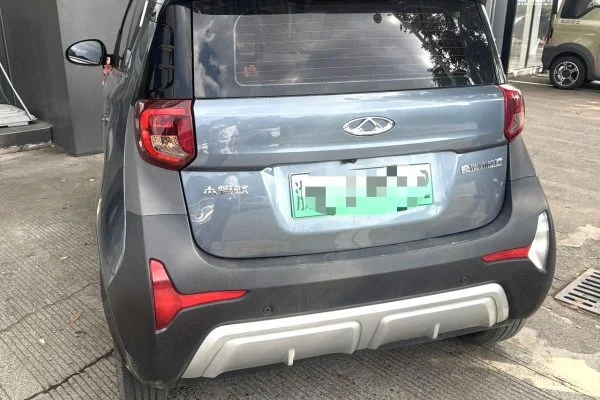
2022 Chery eQ1 Little Ant Tianfen Full Sugar Edition for Sale — 25,000 km, 30.6 kWh, 301 km, Hangzhou Stock
- 2022
- 25,000 km
- Automatic
- Electric