









Used Electric Cars for Sale: 8 Mistakes That Cost Buyers
Used electric cars for sale in China look like a bargain at 45-60% below Western retail, and about one buyer in five still loses money – almost always on the battery report, the invoice, or the model’s parts situation. None of those failures is random; all eight happen at predictable points.
This is the checklist I would run before paying a deposit on any used EV, in order of how much money each item saves.
Mistake 1: Trusting a dash-displayed battery percentage
A full-charge reading of 100% tells you nothing. What matters is state of health from the BMS, which no dashboard shows. Request a BMS screenshot: it lists SOH, cell voltage spread and fast-charge count.
Thresholds worth using: above 92% SOH, buy at asking price. 86-92%, negotiate 8-15% off. Below 82% on a car under 60,000 km, walk. Cell spread above 80 mV on an LFP pack means the pack has been sitting or abused.
Mistake 2: Buying a car with no original invoice
The purchase invoice (购车发票) is the document customs and foreign registration offices ask for first. Private sellers often cannot produce it because the car passed through two or three hands. Without it, some markets treat the vehicle as unproven origin and refuse registration outright.
Ask for it in the first message, not after the deposit. Any seller who stalls on this is telling you something.
Mistake 3: Assuming warranty transfers
BYD’s Blade warranty is eight years or 160,000 km to 70% capacity, and XPeng offers similar terms. Whether those terms apply once the car leaves China depends on whether the model was officially sold in your market. An imported-only model usually has no local coverage, even with years left on the factory term.
Get the answer in writing from the local importer before you buy, not from the Chinese seller.
Mistake 4: Ignoring what charging speed will really be
A 400V car with 60 kW peak charging is fine for overnight-at-home owners and painful for anyone relying on public chargers. On a 60 kWh pack, 60 kW means roughly 35 minutes for 10-80%. The same car on an 800V platform does it in 20.
Chinese spec sheets quote peak kW, which is often available for only a narrow state-of-charge window. Ask for a real charging curve, or at minimum the average from 10-80%, not the peak.
Mistake 5: Skipping the model’s parts situation
Some Chinese EVs have strong export parts channels – BYD, Wuling, Geely, Leapmotor. Others, including several NIO and AITO trims, are effectively China-only for body panels and screens. A $40 bumper becomes a $900 import with a 10-week wait.
Check before buying: search your country’s parts distributors for the model’s headlight and front bumper. If neither exists, budget for the risk.
Mistake 6: Believing a “one owner, 8,000 km” listing
Mileage fraud is rare in China because the odometer ties into the national inspection database, but re-registered fleet cars are common. A ride-hailing Seagull can be moved between owners to reset the visible owner count while keeping 90,000 km hidden behind a board replacement.
Cross-check the mileage in the BMS history, which records total energy throughput. A car that shows 20,000 km but 14 MWh of lifetime energy has done far more than 20,000 km.
Mistake 7 and 8: Buying on price, and buying the wrong body type
The cheapest car in a model line is cheap for a reason – usually a small battery. A 2023 2021 BYD Dolphin 405km Fashion Edition at $10,900 with 405 km CLTC is a better purchase than a stripped 300 km trim at $9,400, because range is the one thing you cannot retrofit.
Then the body type. A used 2025 BYD Seagull at 305 km is a superb second car and a poor only car. A 2023 Leapmotor C11 500 Comfort Edition at 500 km costs $5,000 more and carries four adults and luggage. Match the car to the 90% use case, not the 10% edge case.
One number to anchor the whole decision: the total landed cost of a used 2022 BYD Yuan PLUS at 2026 prices lands close to $16,000-$19,500 depending on your port. Add five years of insurance and maintenance and the price advantage over local used stock narrows to 20-30%. Still worth it, but the margin is thinner than the sticker suggests.
Key Takeaways
- Demand a BMS screenshot: SOH above 92% is clean, cell spread above 80 mV is a warning.
- No original purchase invoice means registration abroad can fail. Ask first, not last.
- Warranty transfer depends on whether the model was officially sold in your market.
- Check that the model has local parts support for bumpers and headlights before buying.
Related Vehicles

2022 BYD Yuan PLUS (Atto 3) 510km Flagship (204HP FWD) Electric Compact SUV
- 2022
- 56,000 km
- Automatic
- Electric

2021 BYD Dolphin 405km Fashion Edition (95HP FWD / 44.9kWh Blade Battery) Electric Hatchback
- 2023
- 70,000 km
- Automatic
- Electric
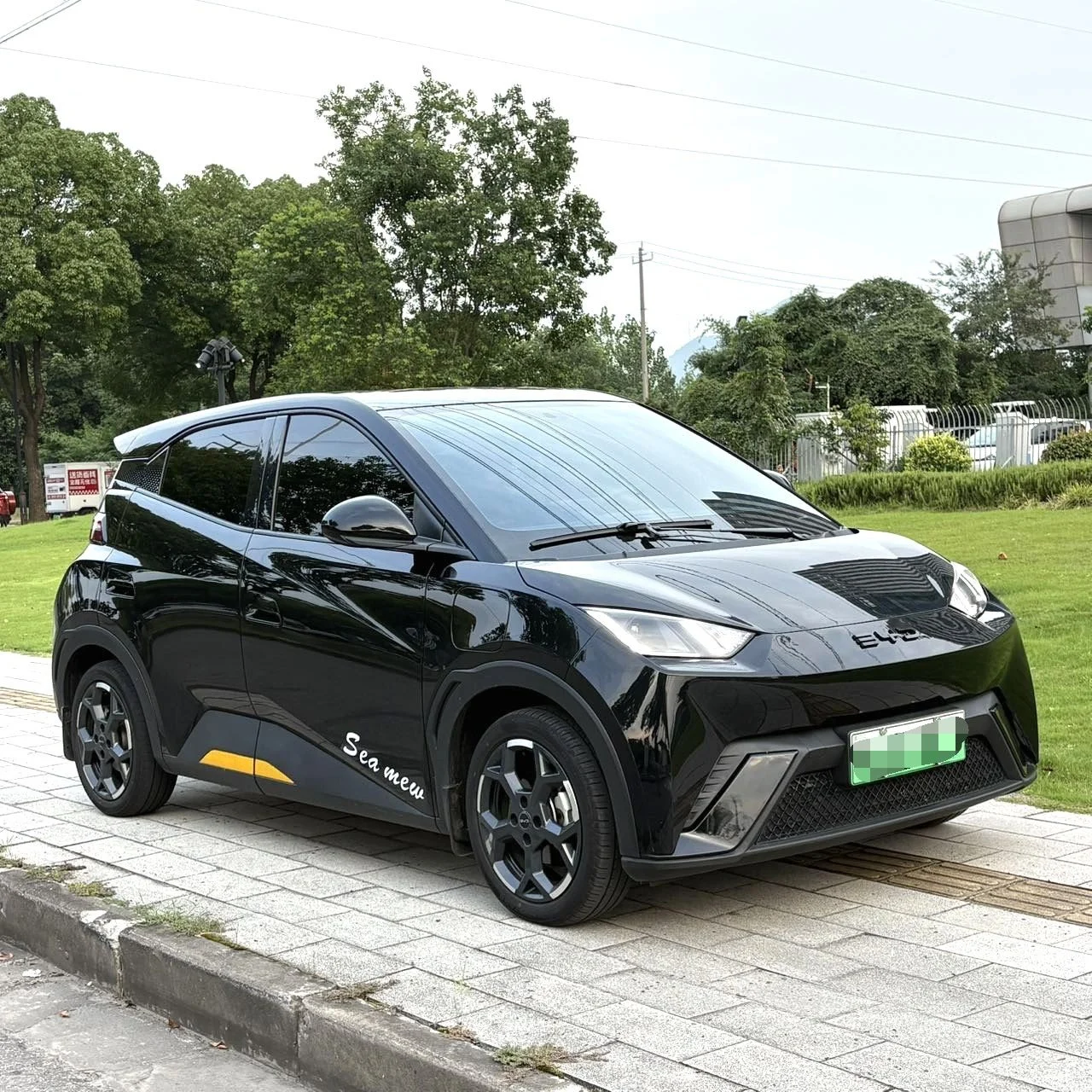
2025 BYD Seagull (Dolphin Mini) 305km Freedom Edition – Compact City EV | Ready to Ship
- 2024
- 35,000 km
- Automatic
- Electric
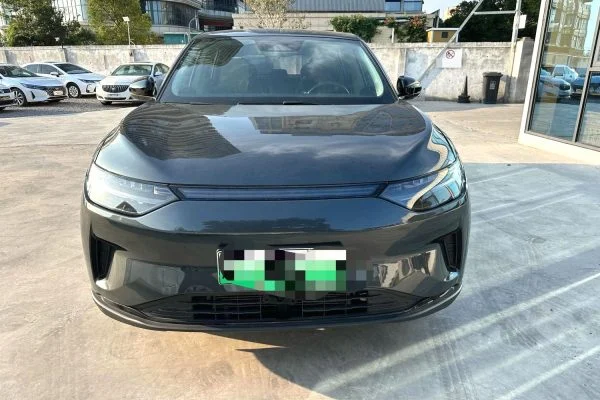
2023 Leapmotor C11 500 Comfort Edition (24,000km / 272HP) – Used Mid-Size Electric SUV
- 2024
- 24,000 km
- Automatic
- Electric