









Used Electric Cars for Sale $15,000 to $20,000: 2026 Buying Guide

In the $15,000-$20,000 band, used electric cars from China deliver 430-520 km of CLTC range and a real choice between compact SUV, large SUV and sedan. The BYD Atto 3 510 km at $15,800 is the default pick; the Song PLUS EV at $18,500 is the upgrade.
Above $10,000 the compromises stop being about whether the car works and start being about how well it fits your life. That is a much better problem to have.
What do you get for $15,000-$20,000 that $10,000 does not buy?
Three things, in order of importance. Roughly 180-220 km more CLTC range. LFP Blade batteries from a manufacturer that publishes degradation behaviour. And a car with export parts support rather than a domestic-only model.
Concretely: a $10,000 car is a 333 km Binguo with 68 hp. A $15,800 car is a 510 km Atto 3 with 204 hp, a 7.3-second 0-100 km/h time and a 60.48 kWh pack.
Which five models fill this band in 2026?
- 2023 BYD Atto 3 430 km — 49.92 kWh, 430 km CLTC, about $14,000.
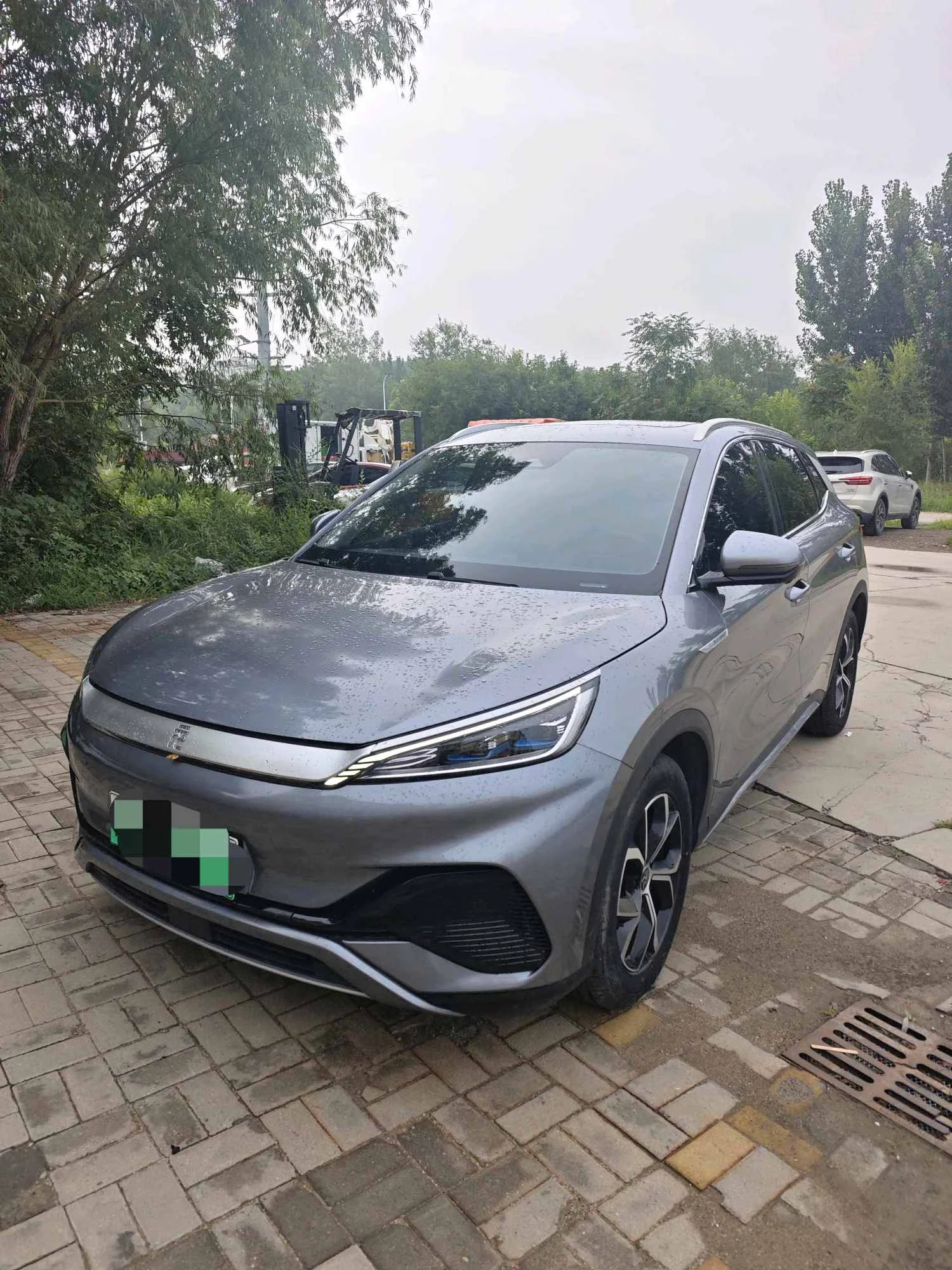
- 2022 BYD Atto 3 510 km — 60.48 kWh, 510 km CLTC, about $15,800.
- 2022 GAC Aion V Plus 80 — 500 km class with a large rear cabin, about $17,000.
- 2023 BYD Song PLUS EV 520 km — 71.8 kWh, 520 km CLTC, 4.78 m, about $18,500.
- 2023 Tesla Model 3 Highland RWD — 60 kWh, 606 km CLTC, about $18,500-$19,500.
How do you choose between them?
One rule covers most buyers: match the car to your passenger count first, then to your longest trip.
Two adults, city and suburban use: the Atto 3 510 is more car than you need but easy to live with. A family of five on a regular basis: the Song PLUS EV. Mostly motorway miles: the Model 3, whose efficiency is 15-20% better than an equivalent SUV.
The Aion V Plus is the underrated one. Its rear cabin is the most generous in the group and it drives softer than the BYD pair.
Is the extra $2,700 for the 510 km version worth it?
If you drive more than 15,000 km a year, yes. The 80 km difference in CLTC range is roughly 60 km in real use, and it changes the number of charging stops per month from four to two on a typical commute.
If you drive 8,000 km a year around town, buy the 430 km car and save the difference. The 49.92 kWh pack charges faster on a home supply too.
What are the hidden costs in this band?
Freight is the big one — $1,200-$2,500 depending on route, plus $800-$1,500 for documentation. That is 12-20% on top.
Then set aside $500-$900 in the first year for tyres, a 12V battery and a coolant service. Cars in this price band are three to four years old, and that is exactly when the original wear items come due.
Insurance is the other one. Expect 15-25% above a comparable petrol crossover in most import markets.
What should make you walk away?
A seller who will not provide a BMS screen photo. A car with more than 70,000 km and no service history. A DC fast-charge session count that looks like a taxi’s. And any listing where the price is $2,000 below every comparable car in the same condition.
The last one is the most reliable warning sign in this market. Below-market prices in the $15,000-$20,000 band almost always correspond to a battery problem being quietly priced in.
How does a $17,000 Chinese used EV compare with a local used EV?
On range, it usually wins. A $17,000 used EV bought locally in most emerging markets gets 250-350 km of real range; the Chinese equivalent delivers 350-430 km.
On serviceability, the local car wins. Every independent garage knows it, and parts are on the shelf rather than on a six-week shipment.
That trade is the whole calculation. Buyers with a reliable workshop nearby can take the range advantage. Buyers in a small city with no EV specialist should probably buy locally and pay more.
What about a car with 60,000 km versus one with 20,000 km at the same price?
Check the battery before you check the odometer. If both report 94% state of health, take the higher-mileage car — it has proven it holds a charge under real use, and it may have better service records.
If the high-mileage car reports 88%, the lower-mileage one is worth the premium. On these packs, 6 points of capacity is roughly 25-30 km of real range, forever.
Key Takeaways
- $15,000-$20,000 buys 430-520 km CLTC range from China in 2026.
- Default choice: BYD Atto 3 510 km at about $15,800.
- Upgrade for space and range: Song PLUS EV 520 km at about $18,500.
- Pick the 430 km car only if you drive under 10,000 km a year.
- Freight and paperwork add 12-20% on top of the purchase price.
Related Vehicles

2022 BYD Yuan PLUS (Atto 3) 510km Flagship (204HP FWD) Electric Compact SUV
- 2022
- 56,000 km
- Automatic
- Electric
2023 BYD Yuan PLUS (Atto 3) Champion Edition 430KM Beyond (204HP / Blade Battery) EV SUV
- 2023
- 21,000 km
- Automatic
- Electric
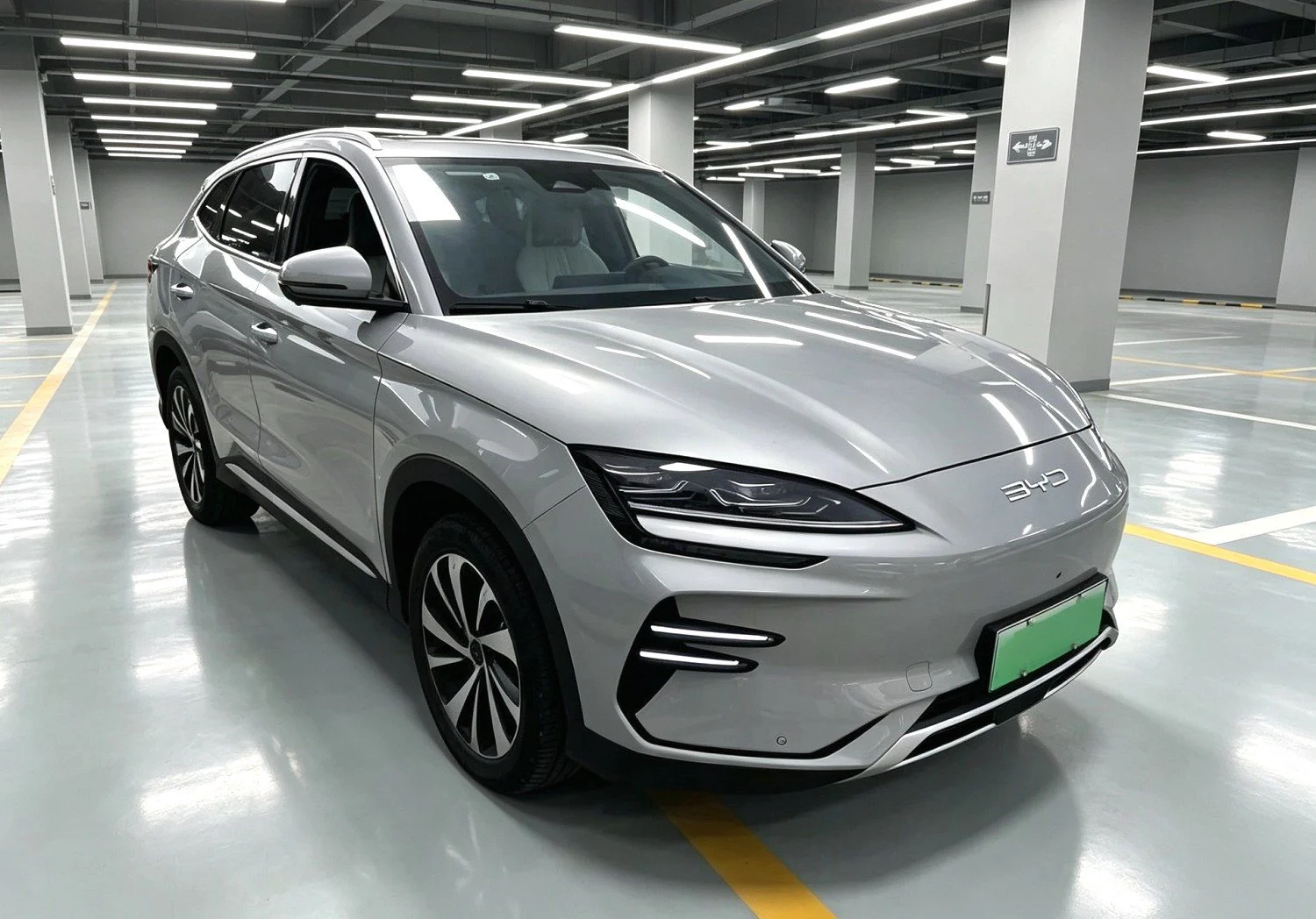
2023 BYD Song PLUS EV Champion Edition 520km Flagship (204HP FWD / Seal U) Electric SUV
- 2024
- 4,000 km
- Automatic
- Electric
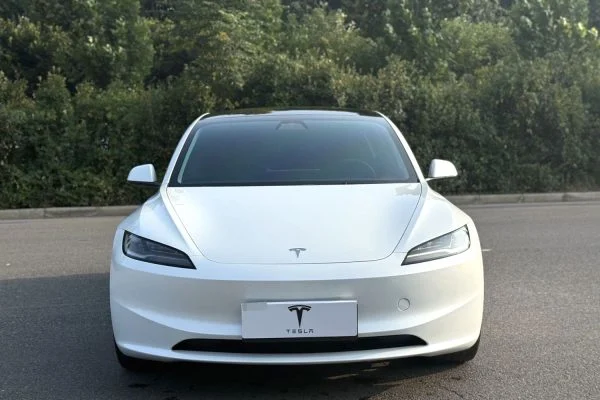
2023 Tesla Model 3 Highland RWD for Sale – 264 hp EV, 606 km Range, Export Ready
- 2024
- 60,000 km
- Automatic
- Electric