









Used Electric Car for Sale Under 10k: What 2026 Buys

A used electric car for sale under 10k in 2026 is a 2023 or 2024 Chinese hatchback with 300–403 km of claimed range, 12,000–30,000 km on the clock and an LFP battery. That is a genuinely useful car, not a compromise. The money is small because the domestic Chinese market is flooded with trade-ins, not because the cars are bad.
China’s used EV market hit a strange point in 2025-2026. New EV prices fell hard, so two-year-old cars lost 35–40% of their value in a market that usually erodes 25%. Overseas buyers inherit that discount. It is the single best reason to shop here.
What exactly does $10,000 buy?
At the top of the budget, a clean 2025 BYD Seagull 305 km Freedom Edition with 12,000 km lists around $7,800–$8,400. A Leapmotor T03 403 km Comfort sits near $8,200. Both leave you $1,500–$1,800 of headroom under the ten-thousand line for inspection, tyres and a charger.
| Budget | What you get | Example |
|---|---|---|
| $4,000–5,500 | City microcar, 120–210 km, no real highway use | Wuling Hongguang Mini EV, Geely Panda Mini |
| $5,500–7,000 | 5-door hatchback, 250–333 km, 41–68 hp | Changan Lumin, Wuling Bingo 333 km |
| $7,500–9,500 | Modern hatchback, 300–403 km, LFP, DC fast charge | BYD Seagull, Leapmotor T03 |
| $9,500–10,000 | Compact crossover or high-spec hatch | BYD Atto 2 low-mileage, Chery EQ1 321 km |
Is $10,000 enough for a car with fast charging?
Yes, but only above about $7,500. Below that price you are mostly looking at cars with 30–40 kW DC limits or no DC port at all. The Seagull (30 kW DC, roughly 30 minutes 30–80%) and the T03 (capable of around 35 kW) are the practical floor for anyone who might drive beyond city limits.
If you never leave the city, ignore fast charging entirely and buy the cheaper car. A 210 km Geely Panda Mini at $5,200 will do a 40 km daily commute for years without complaint.
What hidden costs eat into the $10k budget?
- Freight and export paperwork: $900–$2,200 depending on route and container sharing.
- Destination duty and VAT: wildly variable. Some markets exempt used EVs, others tax 30% or more.
- Plug conversion: $150–$300 for a GB/T adapter, plus $400–$900 for a 7 kW home wallbox.
- Registration and inspection: $200–$600 in most import markets.
- Tyres: cheap Chinese EVs come with hard low-rolling-resistance tyres. Replace them at 40,000 km, budget $320.
So a $8,200 car is not an $8,200 purchase. Budget $10,400–$11,200 landed and registered, and treat the sub-$10k label as the FOB number.
Which under-$10k EV should you avoid?
Three categories. First, anything with a nickel-cobalt battery from before 2019 — those packs degrade 3–4% a year in hot climates and there is no thermal management to speak of. Second, cars imported from coastal cities with flood exposure; the seals fail and the DC-DC converter corrodes. Third, grey-import models with no parts presence at all.
There is a smaller risk worth naming: a car that was a ride-hailing vehicle. Those log 80,000+ km in two years and get DC fast-charged twice daily. Check the registration type in the Chinese vehicle licence, not the seller’s word.
How far will a sub-$10k EV actually go?
Take the CLTC figure, multiply by 0.75 for mixed driving and by 0.65 if you run air-conditioning hard in 35°C heat. A 305 km Seagull becomes about 229 km mixed and 198 km in summer traffic. A 403 km T03 becomes 302 km and 262 km. Those are real numbers owners report, not lab figures.
Key Takeaways
- $10,000 FOB in 2026 buys a 2023–2024 hatchback with 300–403 km of range.
- Fast charging only becomes reliable above about $7,500.
- Landing, registering and charging add $2,200–$3,000 on top of the FOB price.
- Avoid pre-2019 nickel packs, flood-damaged cars and ex-ride-hailing stock.
- Real range is 65–75% of the CLTC claim, and lower in heavy AC use.
Related Vehicles
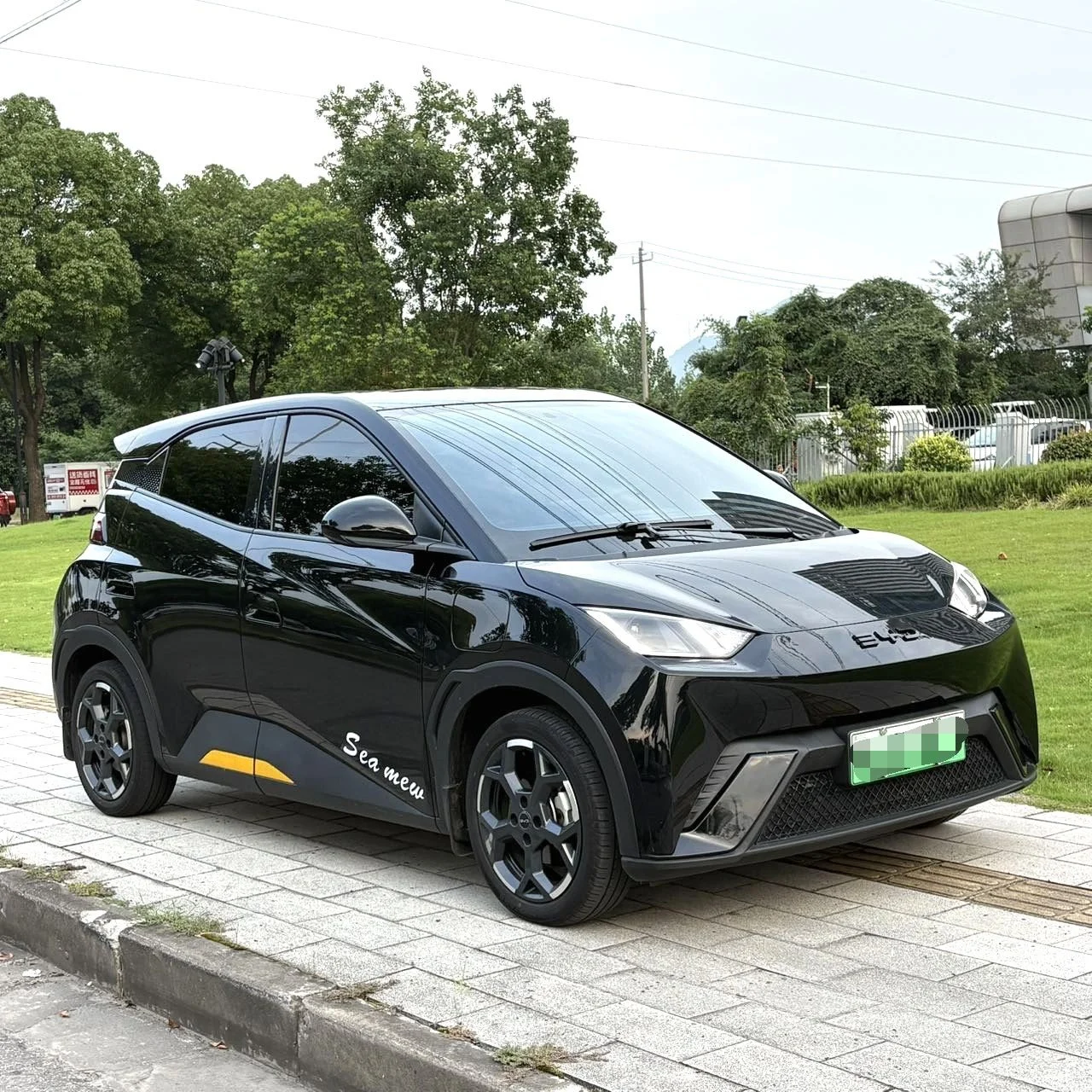
2025 BYD Seagull (Dolphin Mini) 305km Freedom Edition – Compact City EV | Ready to Ship
- 2024
- 35,000 km
- Automatic
- Electric
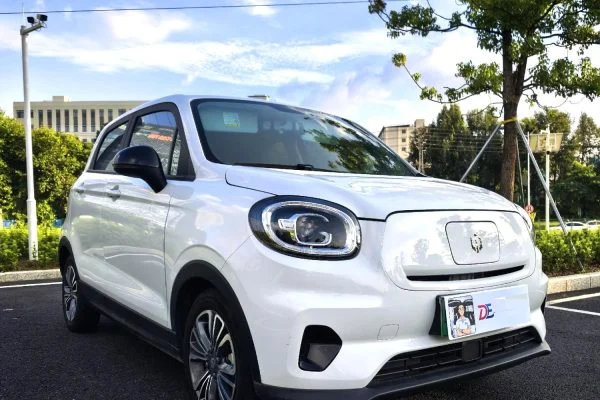
2024 Leapmotor T03 403 Comfort Edition for Sale – 109 hp EV, 403 km Range, Export Ready
- 2024
- 11,000 km
- Automatic
- Electric
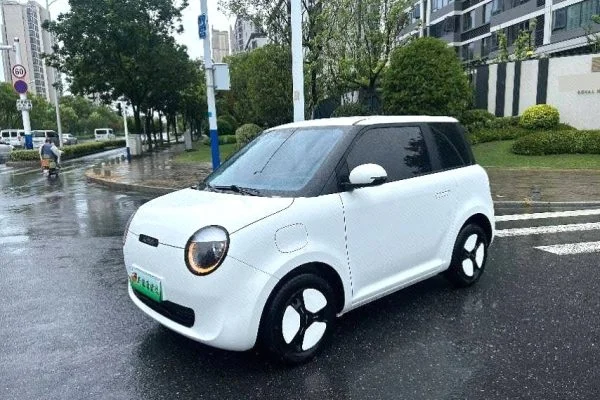
2024 ChangAn Lumin 205km Orange Edition for Sale – 48 hp EV, 205 km Range, Export Ready
- 2025
- 6,000 km
- Automatic
- Electric
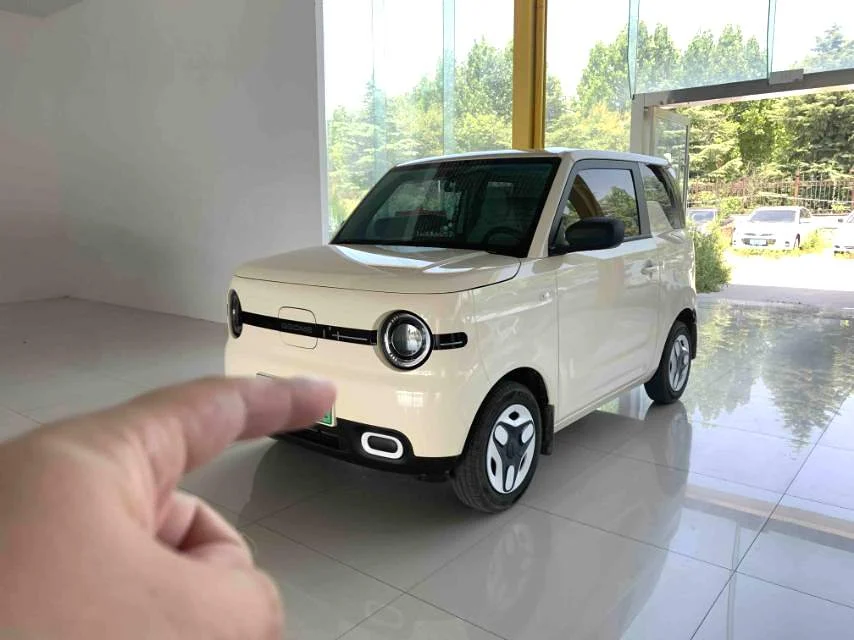
2025 Geely Panda Mini EV (210km Range / 22kW Fast Charge) Electric City Car
- 2025
- 9,000 km
- Automatic
- Electric