









Used Electric Car for Sale by Owner: What to Check
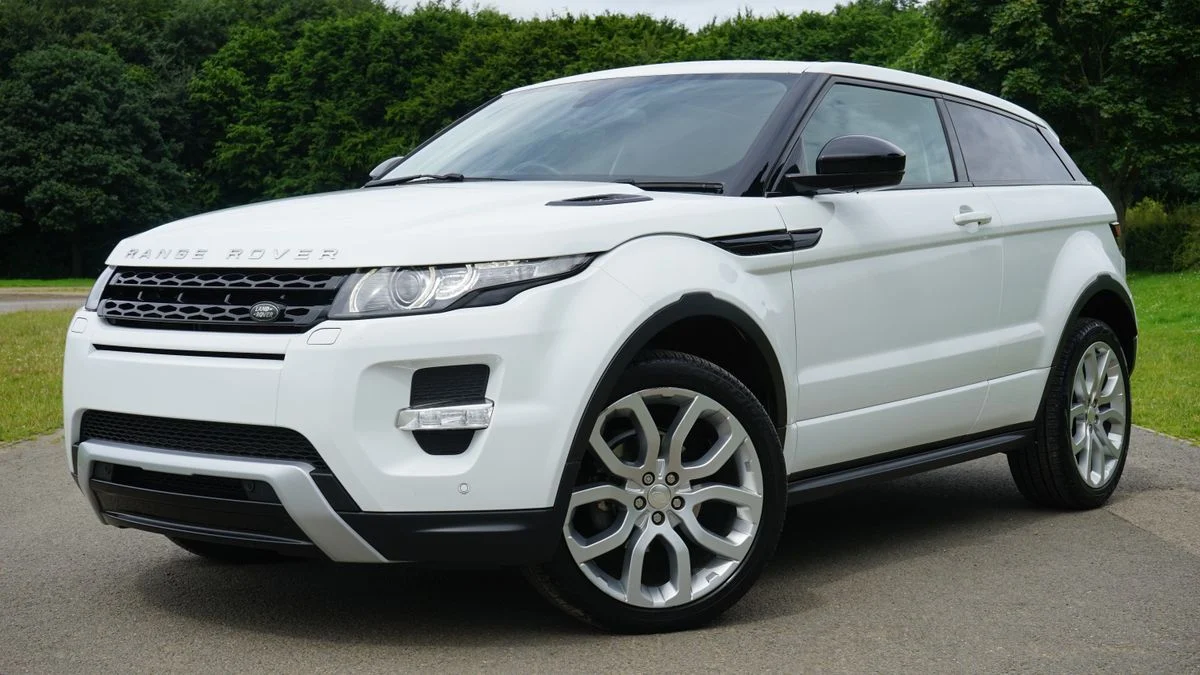
A used electric car for sale by owner usually lands 8–15% below a comparable dealer listing, and that gap is exactly where the risk sits. On a Chinese-sourced unit bought through a broker, expect $4,500–$9,000 FOB for city cars and $12,000–$18,000 for compact SUVs, with a battery scan and clean ownership paperwork included.
Private sales push that paperwork onto you. Most of the sour deals I see fail at one of two steps: nobody read the battery module data, or nobody checked whether the car has an open finance lien still attached to the VIN.
What should a battery scan on a used EV actually show?
It should show state of health (SoH) per module, not one headline percentage. A 2022 Changan Lumin with 18,000 km on 27.99 kWh of LFP cells will typically report 95–98% SoH; anything below 90% at that mileage means the pack has been fast-charged hard or stored at 100% in heat.
- SoH figure per module. Ask for the raw screenshot, not a summary line.
- Cell voltage spread. Under 30 mV at rest is healthy. Over 80 mV points to a weak cell.
- DC fast-charge count. Daily fast charging on a 30 kWh city pack cuts usable capacity faster.
- Total energy throughput. Divide kWh delivered by pack size to estimate full-cycle count.
If the seller cannot produce a scan, that is the answer. Walk.
Why does “by owner” price so much lower?
Three reasons, and only one of them is good for you. Private sellers skip the 5–10% dealer margin and skip reconditioning. They also skip warranty transfer paperwork, which is where buyers get hurt on imported Chinese EVs.
A 2023 BYD Yuan PLUS (Atto 3) Champion Edition with 430 km CLTC range sits around $14,000 from a China-based exporter with paperwork ready. The same car offered privately at $12,000 with “warranty available” and no documents is not a $2,000 saving — it is a $12,000 gamble on an unverifiable pack.
Which used EVs are safest for a first-time private buy?
LFP chemistry, big production volume, and a diagnostic port you can reach. BYD Blade packs and Geely’s LFP city cars fit that profile because independent garages in most export markets already have the reader software.
The 2023 BYD Yuan PLUS (Atto 3) Champion Edition is the volume case. The 2024 BYD Yuan UP (Atto 2) 401km Huoli Edition is the newer, smaller alternative at 22,000 km. For pure city work, the 2025 BYD Seagull 305km Freedom Edition and the 2022 Changan Lumin 301km are the two cheapest credible options on the site, and both are common enough that parts are not a treasure hunt.
What paperwork must a by-owner EV come with?
- Registration certificate showing no outstanding finance lien.
- Battery warranty card, transferable, with the original invoice date.
- Full service history including any DC-to-DC converter or BMS firmware updates.
- Charging cable set — Type 2 plus the portable unit. Missing cables cost $250–$600 to replace.
Cross-check the VIN on the registration against the VIN stamped on the B-pillar and the one the BMS reports. Mismatches are rare but they happen on rebuilt cars.
Who should not buy privately?
Anyone importing into a market that requires a certificate of conformity. Private sellers rarely hold the export documentation, and retrofitting it after arrival costs more than the discount. Buyers who need a warranty with recourse should stay with an exporter that issues one.
Everyone else: private is fine, if you pay $80 for a scan before you pay for the car.
Key Takeaways
- Owner-sale EVs run 8–15% under dealer prices, but the paperwork gap is the real cost.
- Demand per-module SoH data; under 90% SoH on a low-mileage LFP pack is a red flag.
- LFP city cars from BYD, Geely and Changan are the easiest to diagnose and repair.
- Skip private sales if your market requires a certificate of conformity.
Related Vehicles

2024 BYD Yuan UP (Atto 2) 401km Huoli Edition (95HP FWD / 22k km) Compact EV SUV
- 2024
- 22,000 km
- Automatic
- Electric
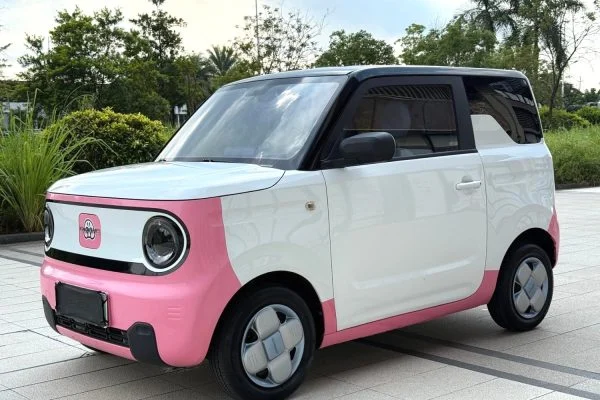
2023 Geely Panda Mini 200km Endurance Bear for Sale – 41 hp EV, 200 km Range, Export Ready
- 2023
- 20,000 km
- Automatic
- Electric
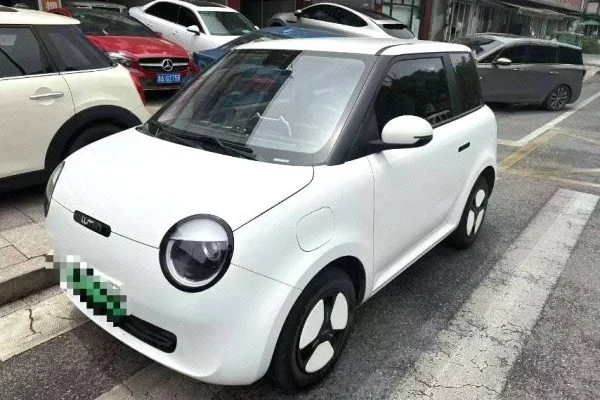
2022 Changan Lumin 301km Mitian Edition (35kW / 48HP) Mini Electric City Car
- 2022
- 18,000 km
- Automatic
- Electric
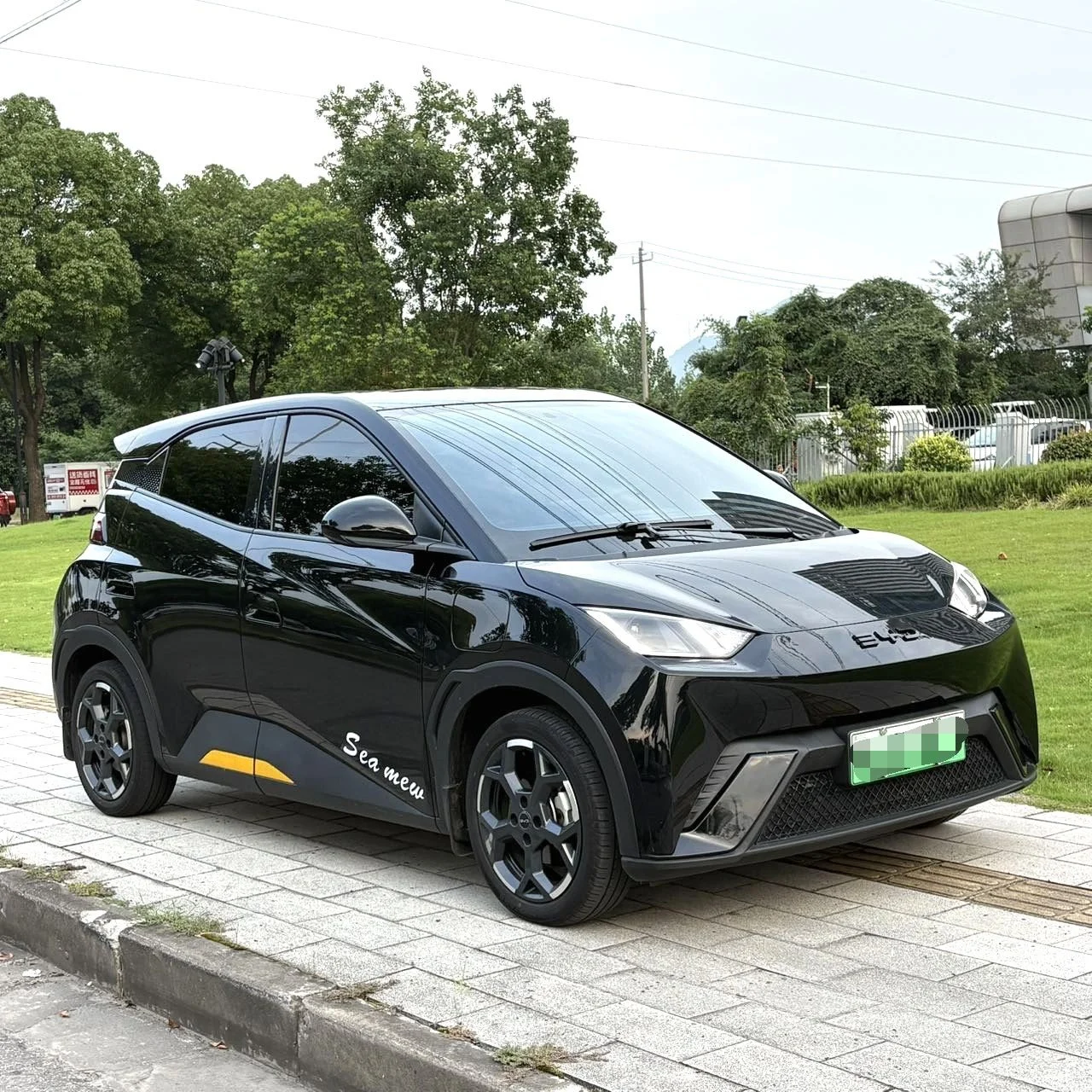
2025 BYD Seagull (Dolphin Mini) 305km Freedom Edition – Compact City EV | Ready to Ship
- 2024
- 35,000 km
- Automatic
- Electric