









Used Electric Car for Sale by Owner in 2026: What You Really Save

Buying a used electric car directly from its owner in 2026 typically saves 8-15% against dealer pricing — on a $15,000 Chinese EV that is $1,200-$2,200. You trade that discount for inspection work, payment risk and no warranty paperwork help. For most buyers the inspection is worth more than the discount.
Private EV sales intimidate people because the battery is invisible. That fear is partly justified and mostly solvable: a BMS readout plus a 20-minute test drive tells you 90% of what a $400 dealer inspection would.
How much cheaper is a private sale than a dealer?
On Chinese domestic EV stock in 2026, the spread is narrower than on petrol cars. Dealers pay roughly 6-8% under retail to acquire a used EV and resell at retail with a short warranty. Private sellers usually list 5-10% under dealer retail because they want speed, then negotiate another 3-5%.
Where private wins big is on cars with cosmetic faults. A 2023 Leapmotor C11 500 with 24,000 km and a scratched rear bumper might sit at $13,200 privately versus $15,400 at a dealer — the dealer has already priced in reconditioning you could live without.
What should you inspect before paying an owner directly?
- BMS state of health: screenshot or app readout, not a claim. 90%+ is healthy on a 2022-2024 LFP car.
- Fast-charge test: plug into a DC charger and watch the kW curve for five minutes. A pack that throttles to 15 kW at 40% has a problem.
- Odometer vs service dates: chassis data on Chinese EVs is logged by the manufacturer app, which is harder to fake than a dial.
- Charging port and cable: bent pins and missing Type 2 adapters cost $200-$600 to replace.
- Accident history: an independent inspection report; owners cannot see structural repair under trim.
Is a private EV purchase riskier than a dealer one?
The financial risk is mostly about payment, not the car. Pay in full against a signed contract and transfer of registration, with the vehicle held until both clear. Never send a deposit to an owner you have not met or whose registration documents you have not seen.
The car risk is the same either way, because most dealer “warranties” on a 2023 Chinese EV are 3-6 months and exclude the battery anyway. Read the exclusion list before assuming a dealer gives you protection.
Which models make good private-sale buys?
Volume models with real parts support: Leapmotor C11, Changan Deepal S05, BYD Atto 3 and BYD Dolphin. These have large Chinese owner bases, so private listings are common and prices are competitive. A 2023 Leapmotor C11 500 or a 2025 Deepal S05 at 13,000 km are the sorts of cars that appear privately and are easy to verify.
Avoid private sales on discontinued domestic brands with no service network — there the battery diagnostic tools simply do not exist locally, and neither will your resale market.
What about buying privately across borders?
Direct private imports are rare for a reason: the owner cannot issue an export invoice or arrange deregistration. Most international buyers work through a sourcing agent who buys from private owners and handles the export file — you still get private-sale pricing, minus the paperwork headache. That is the practical middle route.
Key takeaways
- Private sales save 8-15% on used Chinese EVs in 2026 — $1,200-$2,200 on a $15,000 car.
- BMS health plus a five-minute DC charging test catches most pack problems.
- Dealer warranties on used EVs are short and often exclude the battery — verify exclusions.
- Cross-border private buying usually needs an agent for the export invoice and deregistration.
Related Vehicles
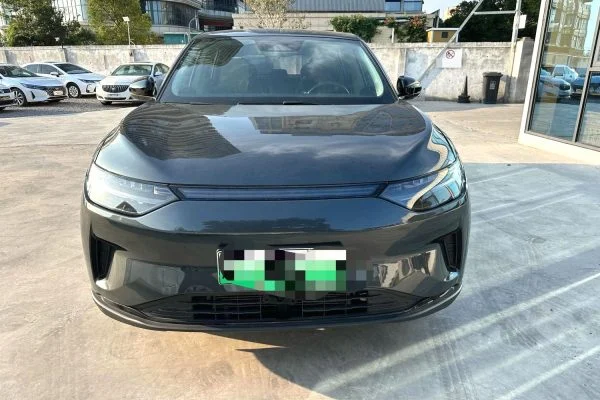
2023 Leapmotor C11 500 Comfort Edition (24,000km / 272HP) – Used Mid-Size Electric SUV
- 2024
- 24,000 km
- Automatic
- Electric
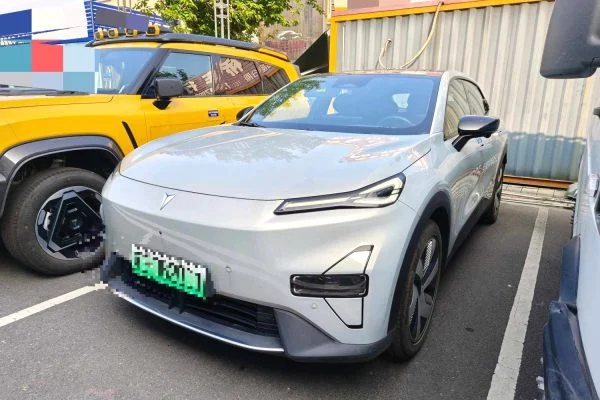
2025 Changan Deepal S05 510Ultra EV RWD (13,000 km / 238 HP / 3C Fast Charging) – Electric SUV
- 2025
- 13,000 km
- Automatic
- Electric

2022 BYD Yuan PLUS (Atto 3) 510km Flagship (204HP FWD) Electric Compact SUV
- 2022
- 56,000 km
- Automatic
- Electric

2023 BYD Dolphin 420km Free Edition (95HP FWD / 2,000km) Compact EV Hatchback
- 2024
- 2,000 km
- Automatic
- Electric