









Used Electric Car for Sale by Owner: How to Buy Safely in 2026
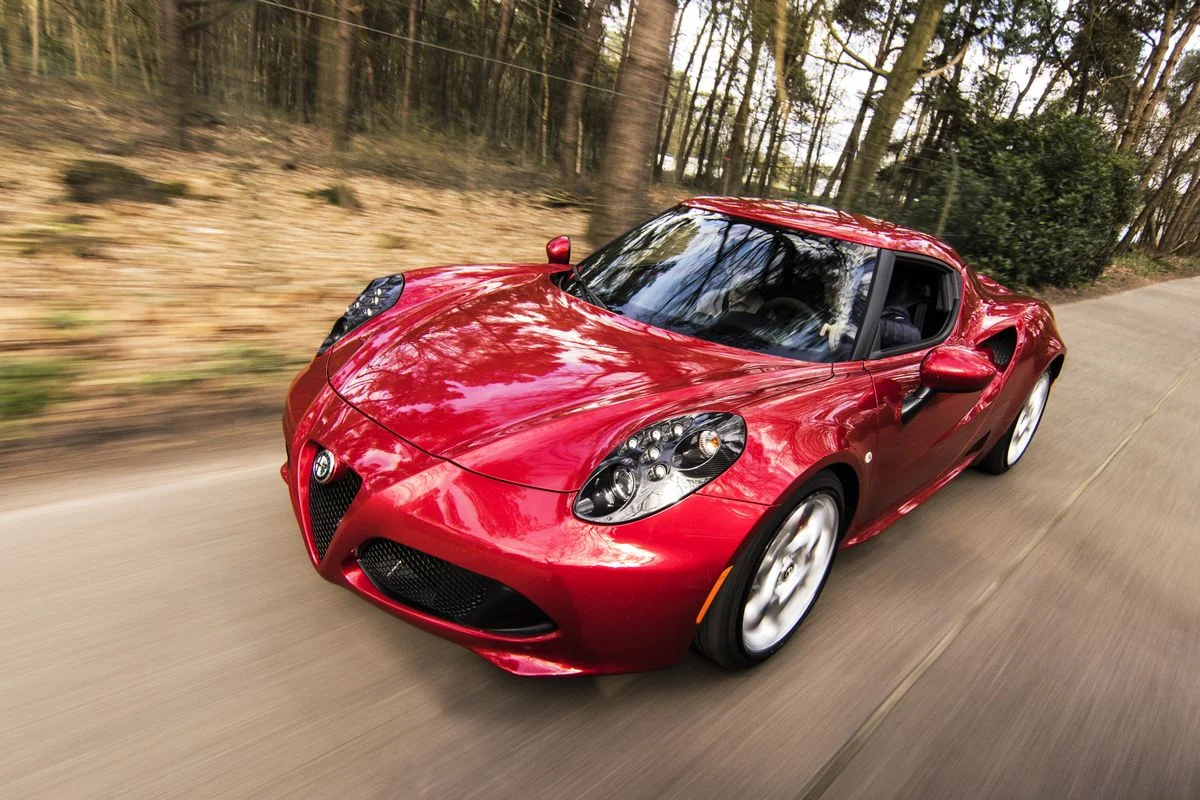
A used electric car for sale by owner is usually 8–15% cheaper than the same car at a dealer — but only if you do the battery and title checks yourself. On an EV the stakes are higher, because a weak pack can cost more to replace than the car is worth.
Why do private EV sales go wrong?
Two reasons. First, private sellers rarely have a battery health report, and a degraded pack is invisible in a 10-minute test drive. Second, EV paperwork is less standardised than gasoline-car paperwork, so chain-of-title and export-document issues surface late.
What should you verify before paying a private seller?
- Battery State of Health (SoH): ask for a screenshot from a dealer or OBD tool. Below 80% on a five-year-old EV signals a near-term replacement.
- Title and VIN match: photograph the VIN plate and confirm it against the documents.
- Charging test: charge from 20% to 80% and time it against the car’s spec. A slow ramp-up hints at a hot or failing cell.
- Firmware recalls: check whether outstanding OTA safety updates were applied.
- Payment method: use escrow or a bank transfer with a signed bill of sale — never wire to an individual outright.
Which models are safest to buy privately?
Cars with large owner communities are easiest, because parts and advice are a forum search away. A Zeekr X RWD YOU Edition with 272 hp and a 560 km range has a well-documented pack. The Leapmotor T03 403 is even simpler — a 403 km city car with few complex systems to fail.
If you want the absolute lowest-risk private purchase, a used Roewe eRX5 PHEV hedges its bets: even if the electric range shrinks, the gasoline engine still drives the car.
Is buying by owner worth the risk?
Yes, for buyers who can run the checks — and only then. If a seller refuses a battery scan or a proper bill of sale, walk away. The discount is real, but so is the risk of inheriting a $4,000 pack replacement that a dealer would have covered.
Key Takeaways
- Private used EV sales save 8–15% but skip dealer battery and warranty checks.
- Always demand a State of Health report; under 80% on an older EV is a red flag.
- Time a 20%–80% charge and compare it against spec to spot weak cells.
- Use escrow, a signed bill of sale, and a VIN check — never pay an individual outright.
Related Vehicles
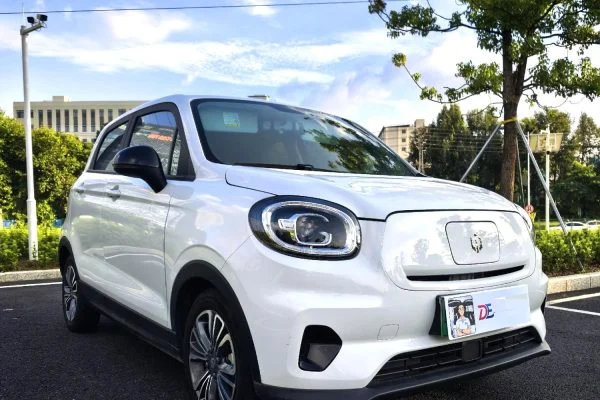
2024 Leapmotor T03 403 Comfort Edition for Sale – 109 hp EV, 403 km Range, Export Ready
- 2024
- 11,000 km
- Automatic
- Electric
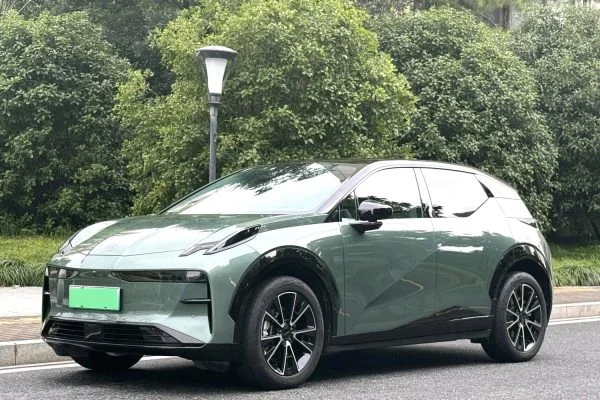
2023 Zeekr X RWD YOU Edition 4-Seater for Sale – 272 hp EV, 560 km Range, Export Ready
- 2023
- 12,200 km
- Automatic
- Electric
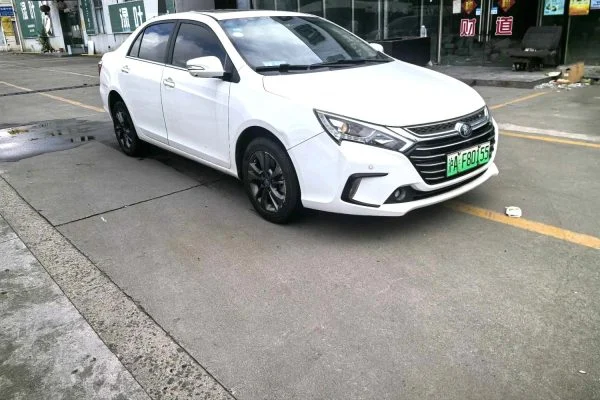
2017 BYD Qin 1.5T PHEV Premium Edition for Sale – 295 hp, 80 km EV Range, Export Ready
- 2017
- 30,000 km
- Automatic
- Plug-in Hybrid
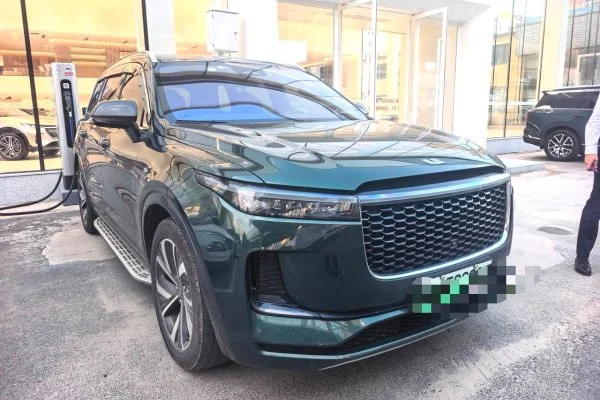
2021 Li Auto ONE Extended-Range 6-Seater for Sale – 333 hp AWD SUV, 188 km EV Range, Export Ready
- 2021
- 80,000 km
- Automatic
- Plug-in Hybrid