









Used Electric Car for Sale by Owner: How to Verify the Seller

A used electric car for sale by owner in China runs 8-15% below dealer stock in 2026, and carries most of the risk. Private sellers have no warranty to honour, no reputation to protect, and no reason to tell you the car spent two years in ride-hailing.
The discount is real. So is the chance you are looking at a car that was cleaned up for sale and nothing else. Here is how to tell the difference before money moves.
Why are owner sales cheaper?
A dealer in China buys at auction, reconditions, and adds 6-12% margin. A private owner selling a 2024 BYD Seagull on a listing platform is simply trying to get out from under a car they no longer need. On a $9,000 car that is $700-$1,100 of savings.
What you give up: any post-sale recourse. Once the vehicle transfer is signed, a private seller’s obligations effectively end, and chasing them across a language barrier is not a plan.
Check 1: does the registration say 非营运 (non-operating)?
The Chinese vehicle licence (行驶证) lists use nature. 非营运 means private use; 营运 means commercial. A car that spent its life as a taxi or ride-hailing vehicle has the operating designation, harder use, and much lower resale value. Some sellers re-register to hide this – the change date shows on the file, and a use-nature change inside the last 12 months on a car with 60,000 km is an obvious red flag.
Check 2: is the mileage real?
Chinese EVs store mileage in multiple modules, not just the dash. Ask for a diagnostic screenshot showing the odometer reading from the BMS and the motor controller. If those two disagree with the dash, walk away.
Cheap odometer rollbacks are mostly a thing of the past on connected cars, but rebuilt cars with replaced instrument clusters still show up.
Check 3: what is the battery state of health?
Request a BMS screenshot with the SOH percentage and the cell voltage spread. On a rested pack:
- SOH 92%+ on a car under 30,000 km – normal, proceed.
- SOH 88-92% – acceptable on a 2022 car; negotiate.
- SOH below 88% on a 2025 car – the car has been abused or fast-charged constantly. Pass.
- Cell spread above 0.15 V – weak module. Repair is $600-$1,200, and parts may be unavailable.
Checks 4 to 7: the physical tells
Four things you can verify with photos before you ever travel:
- Charge port. Scorched or discoloured DC pins mean abuse at public fast chargers.
- Underbody. Rust on the battery tray frame suggests flooding. Southern China floods in 2024-2025 put thousands of EVs into the used pool.
- Tyres. A 2,000 km car with worn front tyres is not a 2,000 km car.
- Interior wear. Driver’s seat bolster and the steering wheel tell you the real mileage better than any display.
Which cars are safe to buy privately?
Ones still inside the manufacturer’s battery warranty. BYD covers the Blade battery for eight years or 150,000 km for the first owner in China, and the warranty is tied to the vehicle, not the person, for the pack. A 2024 BYD Seagull or a 2023 Leapmotor T03 bought privately still has six to seven years of pack coverage left.
A 2022 Atto 3 with 56,000 km is also safe, but the warranty clock is shorter. Verify the transfer paperwork names the new owner correctly, or the claim will be refused at the service desk.
Key Takeaways
- Owner sales save 8-15% but give you no recourse after transfer.
- Verify 非营运 (private) use-nature on the registration – the single best taxi detector.
- Get SOH above 88% and cell spread under 0.15 V in writing before paying.
- Prefer cars still inside the 8-year/150,000 km battery warranty, which follows the vehicle.
Related Vehicles
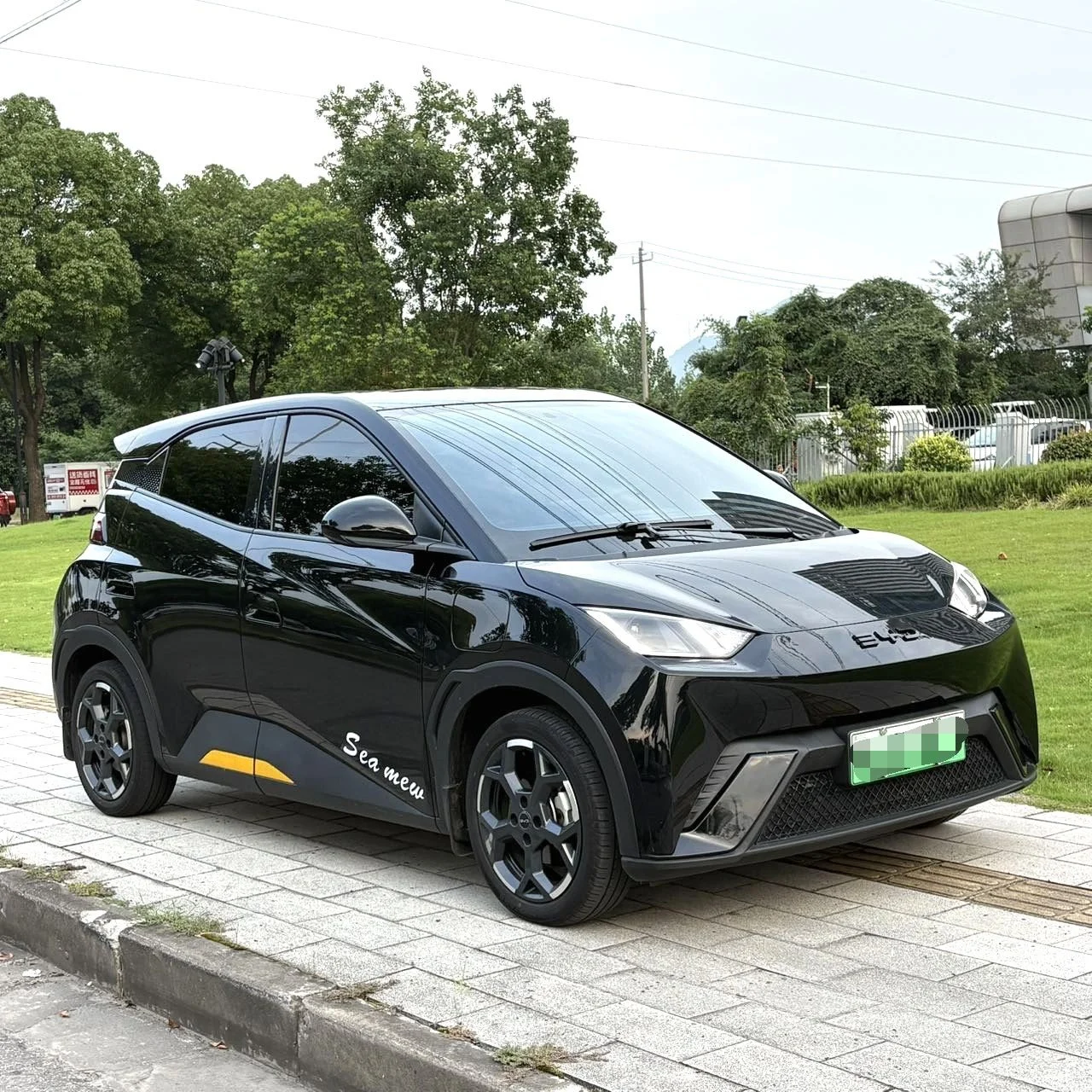
2025 BYD Seagull (Dolphin Mini) 305km Freedom Edition – Compact City EV | Ready to Ship
- 2024
- 35,000 km
- Automatic
- Electric

2022 BYD Yuan PLUS (Atto 3) 510km Flagship (204HP FWD) Electric Compact SUV
- 2022
- 56,000 km
- Automatic
- Electric
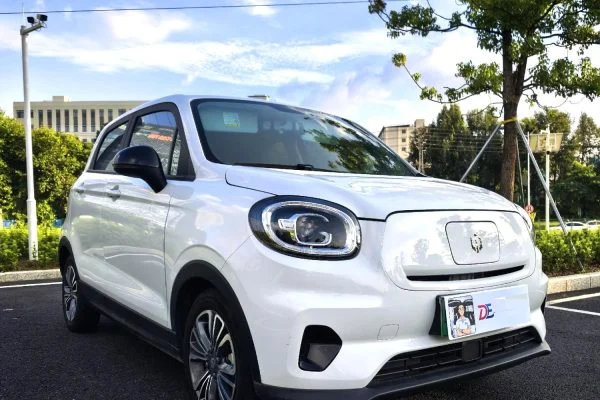
2024 Leapmotor T03 403 Comfort Edition for Sale – 109 hp EV, 403 km Range, Export Ready
- 2024
- 11,000 km
- Automatic
- Electric
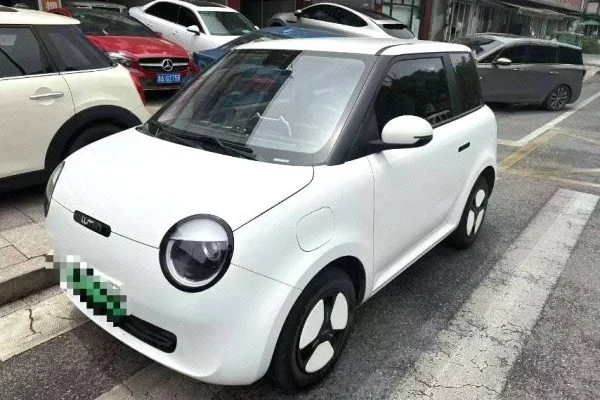
2022 Changan Lumin 301km Mitian Edition (35kW / 48HP) Mini Electric City Car
- 2022
- 18,000 km
- Automatic
- Electric