









Used Electric Car for Sale by Owner: China vs Local

A used electric car for sale by owner saves money twice: no dealer margin on the car itself, and often a lower declared value at export. What it costs you is verification. With no showroom, no warranty desk and no local service history, everything rests on documents you have to read and photos you have to demand.
In 2026 a private-sale Chinese EV through an export platform is a normal transaction, not a gamble — provided you know which four documents matter.
What documents prove the seller actually owns the car?
For a Chinese-market vehicle: the vehicle registration certificate (机动车登记证书), the blue or green licence plate photo matching the VIN, and the transfer of ownership record. Add the export licence of the seller if the car is being sold as an export unit. A private seller who cannot produce the registration certificate in their own name is not the owner yet, and that is where most bad deals start.
How do you verify condition without flying over?
Ask for four things, in this order: a 60-second walkaround video with the VIN visible, a photo of the battery pack label showing cell chemistry and production date, a BMS screenshot with per-cell voltages, and the odometer with the ignition on. Sellers who refuse any of these are the reason the category has a bad reputation.
Recent low-mileage cars remove much of the risk. A 2026 ONVO L60 with 3,000 km has almost nothing to hide. A 2026 MG 07 with 6,000 km is the same story with a bigger battery — both are effectively used-in-name-only.
Owner sale vs dealer: what is the real price gap?
| Factor | Owner / export platform | Local dealer |
|---|---|---|
| Margin on the car | Usually 3-6% | 8-15% |
| Warranty | Manufacturer only, if transferable | Dealer-backed, often 6-12 months |
| Inspection access | Remote, video and documents | In person |
| Time to delivery | 4-10 weeks | Same week |
| Recourse if wrong | Contract and escrow only | Local consumer law |
Which models are safest to buy sight unseen?
Cars under 20,000 km, cars under two years old, and brands with model overlap in your market. The 2023 Li Auto L7 Pro at 38,000 km is a reasonable remote buy because the EREV drivetrain has no range anxiety and the 42.8 kWh pack is well documented. A 2025 BYD Seagull is close to risk-free simply because there is very little to go wrong.
What terms protect you in the contract?
- VIN on the invoice, not just the model name
- Odometer stated and warranted as accurate
- Battery SOH floor — for example “not below 90 percent at handover”, with a remedy
- Escrow or letter of credit for anything above $10,000, released on bill of lading
- Photos of the actual car at loading, not stock images
What is the short version?
If you only have two minutes: the cars worth your time are LFP-battery models under four years old with local parts support, and the single number that decides a good deal from a bad one is battery state of health. Anything above 90 percent is a normal used car. Anything below 85 percent needs a discount large enough to pay for a replacement pack, and those are rare. Everything else is trim, mileage and paint.
Key Takeaways
- Buying by owner saves roughly 5-9 percentage points of margin compared with a dealer.
- Four documents matter: registration certificate, plate-to-VIN match, transfer record, seller export licence.
- Demand a BMS screenshot, pack label photo and VIN walkaround video before any deposit.
- Use escrow above $10,000 and write a battery health floor into the contract.
Related Vehicles
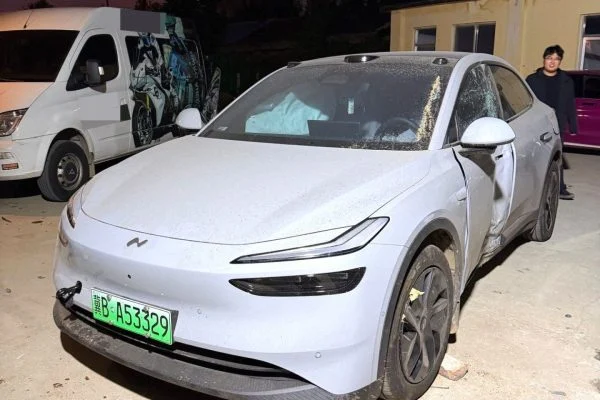
2026 ONVO L60 60kWh Max+ for Sale — 3,000 km, White/Red, Dezhou Stock, FOB Qingdao
- 2026
- 3,000 km
- Automatic
- Electric
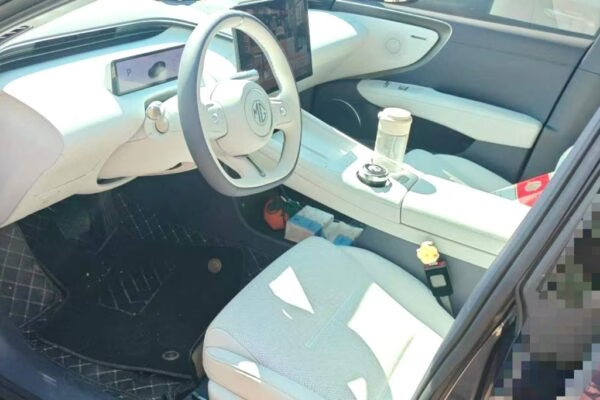
2026 MG 07 610 LiDAR Edition for Sale — 6,000 km, 67 kWh, 176 kW, Ganzhou Stock, FOB Shanghai
- 2026
- 6,000 km
- Automatic
- Electric
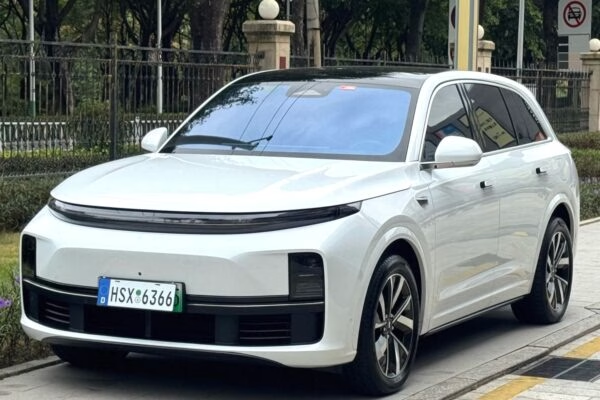
2023 Li Auto L7 Pro for Sale – 330 kW EREV, FOB from US$25,900
- 2023
- 38,000 km
- Automatic
- EREV
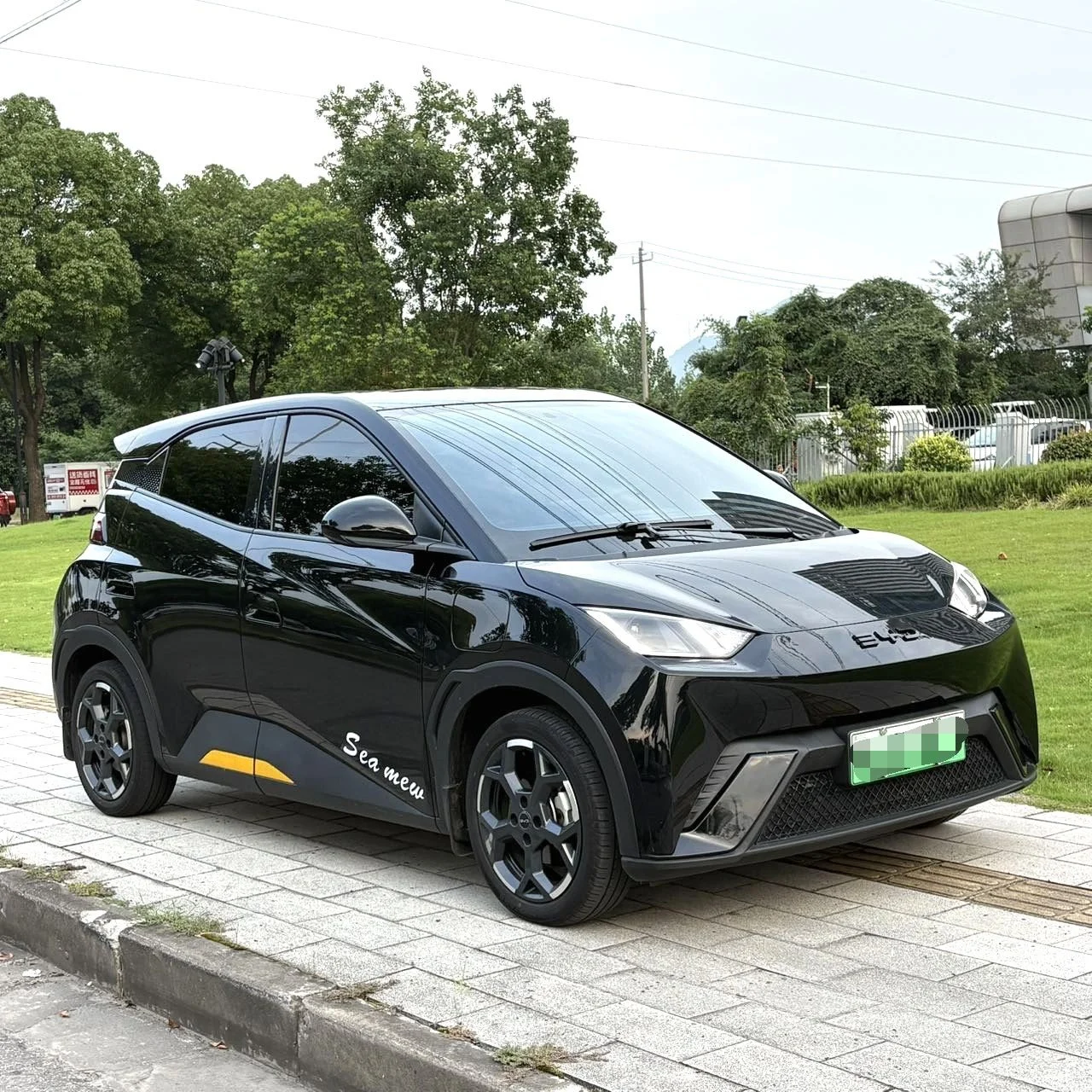
2025 BYD Seagull (Dolphin Mini) 305km Freedom Edition – Compact City EV | Ready to Ship
- 2024
- 35,000 km
- Automatic
- Electric