









Used Chinese EVs for the Gulf in 2026: Heat and Value

A used Chinese EV in the Gulf costs 20-35% less than a comparable Japanese or Korean used car, but battery heat degradation runs faster above 40C. The value is real if you check the cooling system first.
Gulf buyers have warmed to Chinese EVs quickly. Dubai and Riyadh now see steady import volumes, and price is the main reason. Heat is the main risk, and it does not show up in a showroom test drive.
Why are Chinese EVs cheaper in the Gulf?
FOB prices in China are low, and most Gulf states levy modest import duty. The UAE charges 5%, Saudi Arabia 5%, and neither applies a heavy age cap to passenger EVs. That keeps landed prices attractive.
- A used ARCFOX Alpha T 653S+ costs about $16,000-$20,000 FOB.
- A used BYD Tang DM (PHEV, 7 seats) runs $22,000-$27,000 FOB.
- A Maextro S800 Xinghui executive sedan sits near $55,000-$65,000 FOB.
How much does heat hurt the battery?
Lithium-ion packs lose capacity faster in sustained heat. In a 45C climate, expect an extra 1.5-2.5% capacity loss per year versus a temperate market. A car that reads 92% state of health in China may drop below 88% after two Gulf summers.
Which models cope best?
Look for cars with liquid-cooled battery packs and active thermal management. Most modern Chinese EVs have this, but some early, cheap minis use passive cooling and suffer badly. The ARCFOX Alpha T 653S+ and BYD Tang DM both use liquid-cooled packs, which is one reason they hold up in the region.
Parking matters more than the car. A shaded garage halves the heat load. Buyers who park outside in direct sun should budget for faster battery aging no matter what they drive.
What should you check before buying?
Ask for a state-of-health report from the BMS, and check the air-conditioning refrigerant charge and compressor history. In the Gulf, the AC works harder than the drivetrain, and a failed compressor on an EV is a $1,500-$3,000 repair.
Also confirm the car has a high-voltage cooling service record. Skipped coolant changes are a quiet killer of battery life.
Key Takeaways
- Used Chinese EVs cost 20-35% less than Japanese rivals in the Gulf.
- UAE and Saudi import duty is about 5% with no heavy age cap on EVs.
- Heat adds 1.5-2.5% battery capacity loss per year.
- Choose liquid-cooled packs and demand a BMS health report.
Related Vehicles
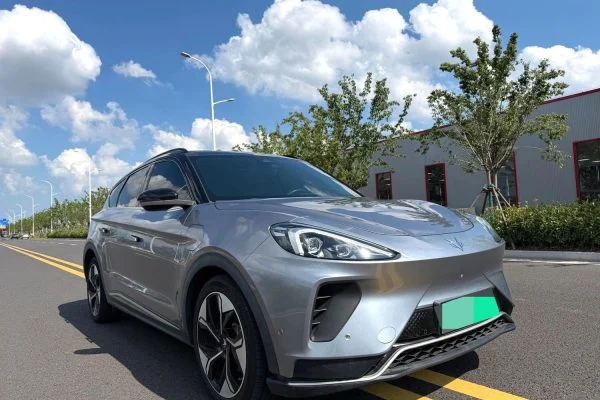
2021 ARCFOX Alpha T 653S+ (175kW / 238HP) Long Range Electric SUV
- 2022
- 88,000 km
- Automatic
- Electric
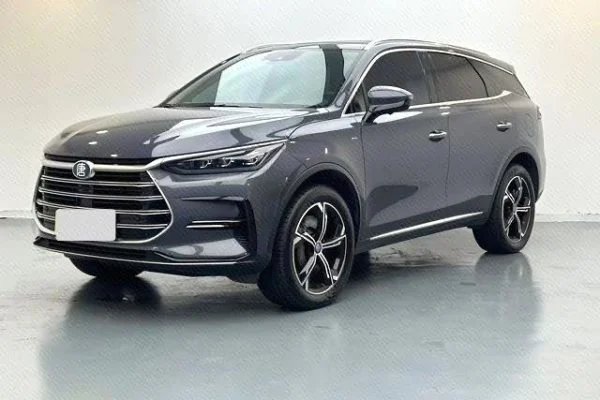
2021 BYD Tang DM 2.0T High Performance AWD (586HP / 7-Seater) PHEV SUV
- 2021
- 67,000 km
- Automatic
- Plug-in Hybrid
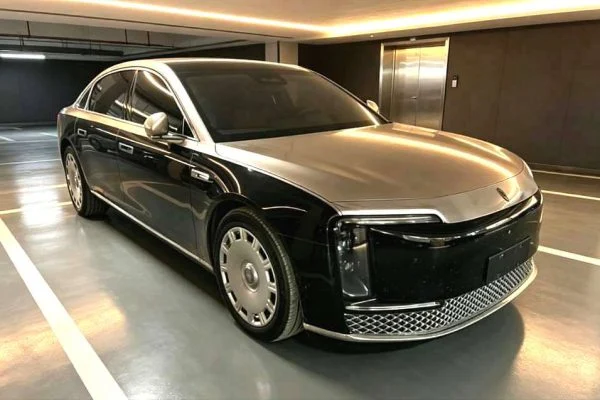
2025 MAEXTRO S800 Xinghui AWD (523HP / Huawei ADS 3.0) Luxury Executive Sedan
- 2025
- 21,000 km
- Automatic
- Electric