









Used Car Scams in China: How Export Buyers Avoid Them

Most used car scams in China are not dramatic — they are small lies that cost you a few thousand dollars each. The five that hit export buyers hardest are photo swaps, hidden battery damage, bait pricing, fake export documents, and deposit-then-disappear schemes. Knowing them is most of the defence.
The pattern behind all five is the same: the seller controls the information, and you cannot easily verify it from abroad. Every step you take to verify independently removes their advantage.
What are the most common used car scams?
Photo swaps top the list. A seller shows a clean 2023 GAC Aion V PLUS, then ships a different, rougher car. Bait pricing is second: a car is advertised well below market to collect deposits, then “sells out” and you are offered a pricier alternative.
- Photo swap: the shipped car differs from the listing.
- Bait pricing: low advert to collect deposits.
- Hidden damage: accident and battery history concealed.
- Fake documents: forged export or inspection papers.
- Deposit scam: seller vanishes after payment.
How do I verify a car remotely?
Insist on a live video walkaround with a dated timestamp, showing the VIN plate, odometer, and battery SOH screen. Compare the VIN against the vehicle registration record. Then hire a third-party inspector — even a modest fee is cheap insurance on a Changan Lumin or any car above $8,000.
Never rely on the seller’s own inspection report. The point of an independent inspection is that it does not share the seller’s incentive.
What should a safe contract include?
A safe deal names the exact VIN, the exact model and trim, the mileage, and the battery SOH at handover. It sets out a payment structure that withholds a meaningful final payment until the car passes a pre-shipment inspection at port. If a seller refuses milestone payments, treat that as a warning.
Use escrow or a letter of credit for large sums. A direct bank transfer to an individual account offers you almost no recourse once the money leaves.
What are the smaller traps?
Watch for ex-ride-hailing cars repainted and sold as private vehicles — the GAC Aion Y is a common one, since fleets used it heavily. Check for unusually worn seat bolsters and door handles. Also beware of “refurbished” batteries with no provenance; a replaced pack without paperwork is an unknown quantity.
Finally, cultural speed is not your friend. Pressure to “pay today or lose it” is a tactic, not a courtesy. Slow, documented deals almost always end better than fast, friendly ones.
Key Takeaways
- The five big scams are photo swaps, bait pricing, hidden damage, fake docs and deposit theft.
- Always verify a car with live video and an independent inspection.
- Use escrow or a letter of credit, and withhold final payment until inspection.
- Pressure to pay instantly is a red flag, not a courtesy.
Related Vehicles
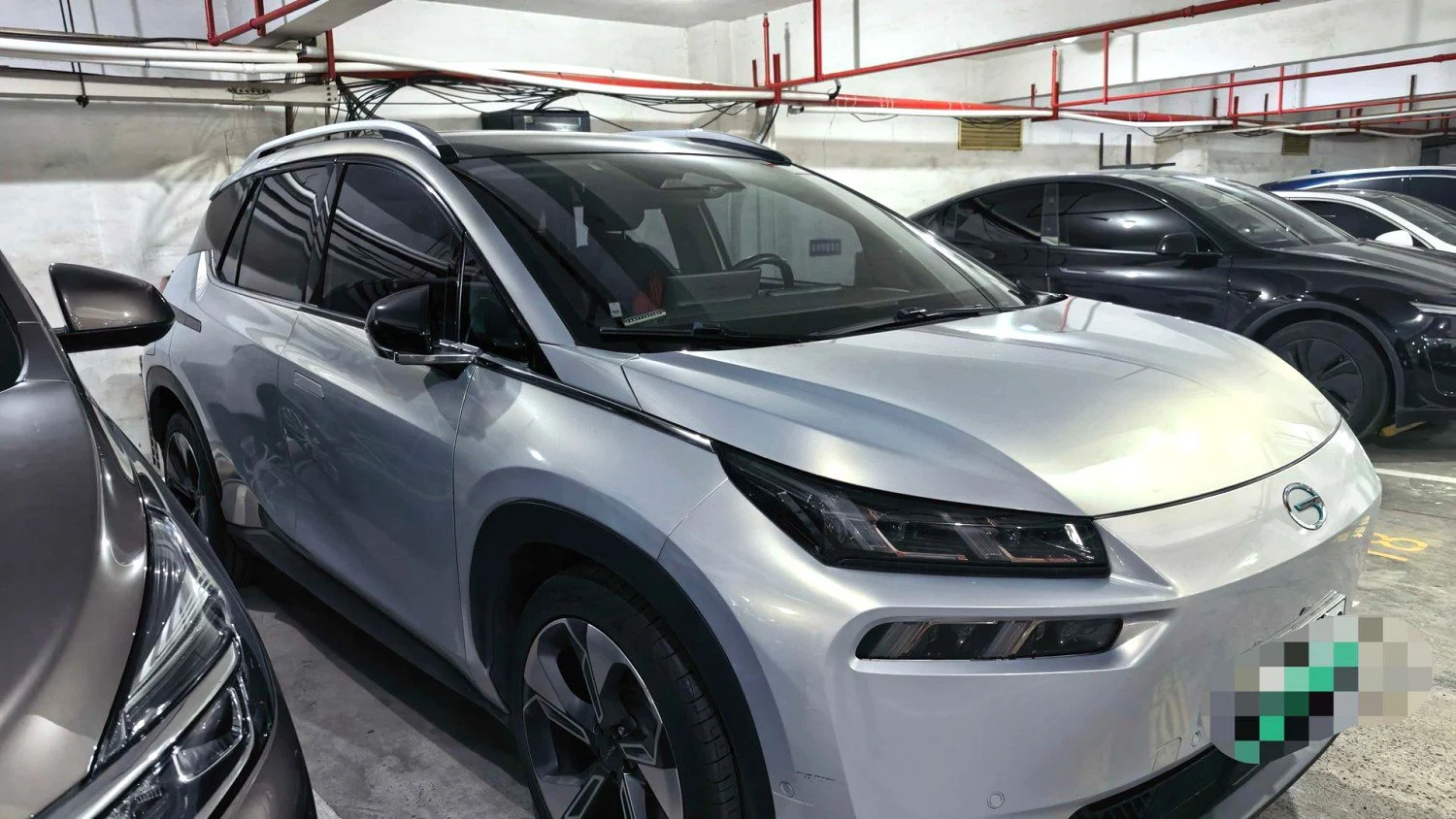
2022 GAC Aion V PLUS 80 Executive | Long Range EV – Super Value @ $28,800
- 2022
- 50,000 km
- Automatic
- Electric
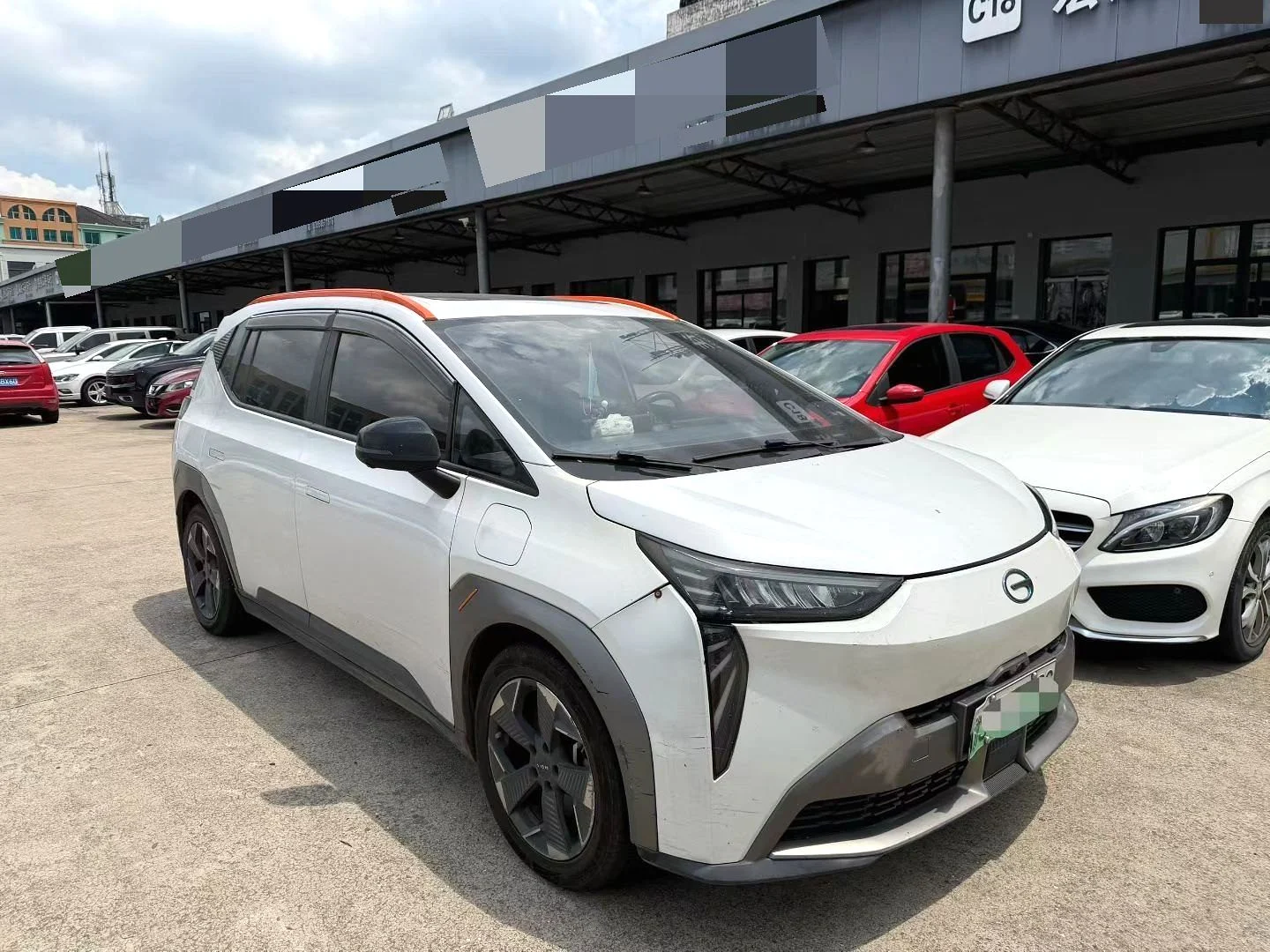
2021 GAC Aion Y 70 Smart Version (500km Range / Ultra-Large Space) – Used EV
- 2021
- 45,000 km
- Automatic
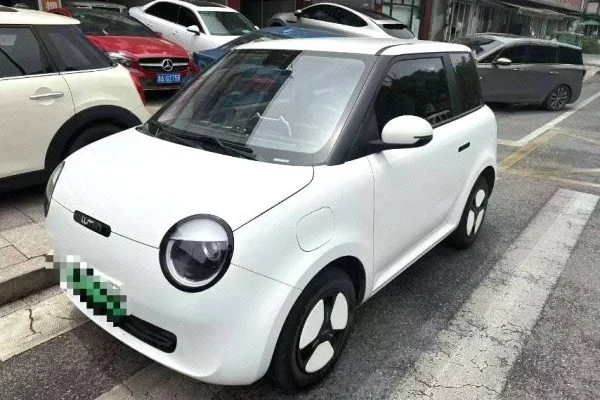
2022 Changan Lumin 301km Mitian Edition (35kW / 48HP) Mini Electric City Car
- 2022
- 18,000 km
- Automatic
- Electric