









Used Car Import Scams in 2026: 8 Red Flags Before You Pay
Most used car import scams follow one of five patterns: fake vehicle listings, deposits that vanish, bait-and-switch on condition, phantom shipping, and customs surprise fees. Every one of them is avoidable if you verify before you pay.
The China-to-abroad route is legitimate and busy. It also attracts opportunists, because buyers are far away and cannot inspect in person. Distance is the scammer’s tool. Close the distance and most schemes collapse.
What are the most common used car import scams?
The schemes repeat because they work on buyers who are excited and rushed. None is sophisticated.
- Listing theft. Photos and VIN copied from a real dealer’s inventory.
- Deposit trap. A large upfront transfer via untraceable channels.
- Condition bait-and-switch. The car shown is not the car shipped.
- Phantom shipping. A fake bill of lading that never reaches a port.
- Surprise fees. Clearance or storage costs revealed after the car arrives.
Which red flags should stop a deal immediately?
Walk away if any of these appear: pressure to pay within hours, refusal to video-call the car, payment only to a personal account, no VIN in the listing, or a price far below every other quote. Any single one is enough.
- Price 30% under the market with no explanation.
- Seller cannot or will not share a BMS battery report.
- No physical company address or verifiable trade history.
- Payment demanded to a name that does not match the company.
- Contract with no VIN, no delivery date and no damage clause.
A 2023 GWM Tank 400 Hi4-T listed at $9,000 when every other example sits near $20,000 is not a bargain. It is bait.
How do you verify a seller before sending money?
Three checks take under an hour and filter out most bad actors. First, confirm the VIN against the vehicle’s real documents. Second, insist on a live video walkaround, not a photo set. Third, verify the company registration and bank account name match.
For higher-value cars, a 2025 Avatr 11 Max EREV or a BYD Tang DM, pay for an independent third-party inspection. A few hundred dollars protects a five-figure transfer.
What contract terms protect a used car importer?
Get four things in writing: the VIN, the exact specification, a delivery date, and the full cost breakdown including freight and clearance. Add a clause making the deposit refundable if the car fails an independent inspection.
| Clause | Why it matters |
|---|---|
| VIN + photos | Links the contract to a specific car |
| Delivery window | Gives you a claim if it slips |
| Landed price breakdown | Blocks surprise fees |
| Inspection refund | Lets you exit a misdescribed car |
Should you use escrow or pay directly?
Use escrow or a letter of credit for anything above a few thousand dollars if the seller is new to you. It costs a small fee and removes the single biggest risk: paying for a car that never ships. Direct transfer is acceptable only with a seller you have verified and dealt with before.
Wire to a company account, never to an individual. Bank name matching the contract is your cheapest insurance.
Key Takeaways
- Five scam patterns cover almost all import fraud: fake listings, deposits, bait-and-switch, phantom shipping, surprise fees.
- Any single red flag — pressure, no video, personal account, no VIN — justifies walking away.
- Verify VIN, do a live video walkaround, and match the bank account to the company.
- Get VIN, spec, delivery date and landed cost breakdown in the contract.
- Use escrow for any seller you have not dealt with before.
Related Vehicles

2023 GWM Tank 400 Hi4-T 2.0T Ultra (408HP PHEV / 4WD) Off-Road Luxury SUV
- 2023
- 39,000 km
- Automatic
- Plug-in Hybrid
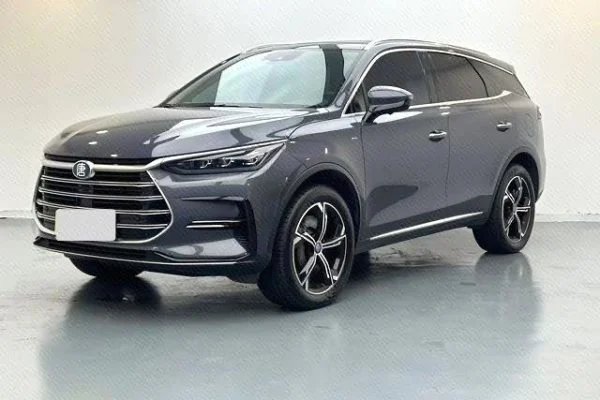
2021 BYD Tang DM 2.0T High Performance AWD (586HP / 7-Seater) PHEV SUV
- 2021
- 67,000 km
- Automatic
- Plug-in Hybrid
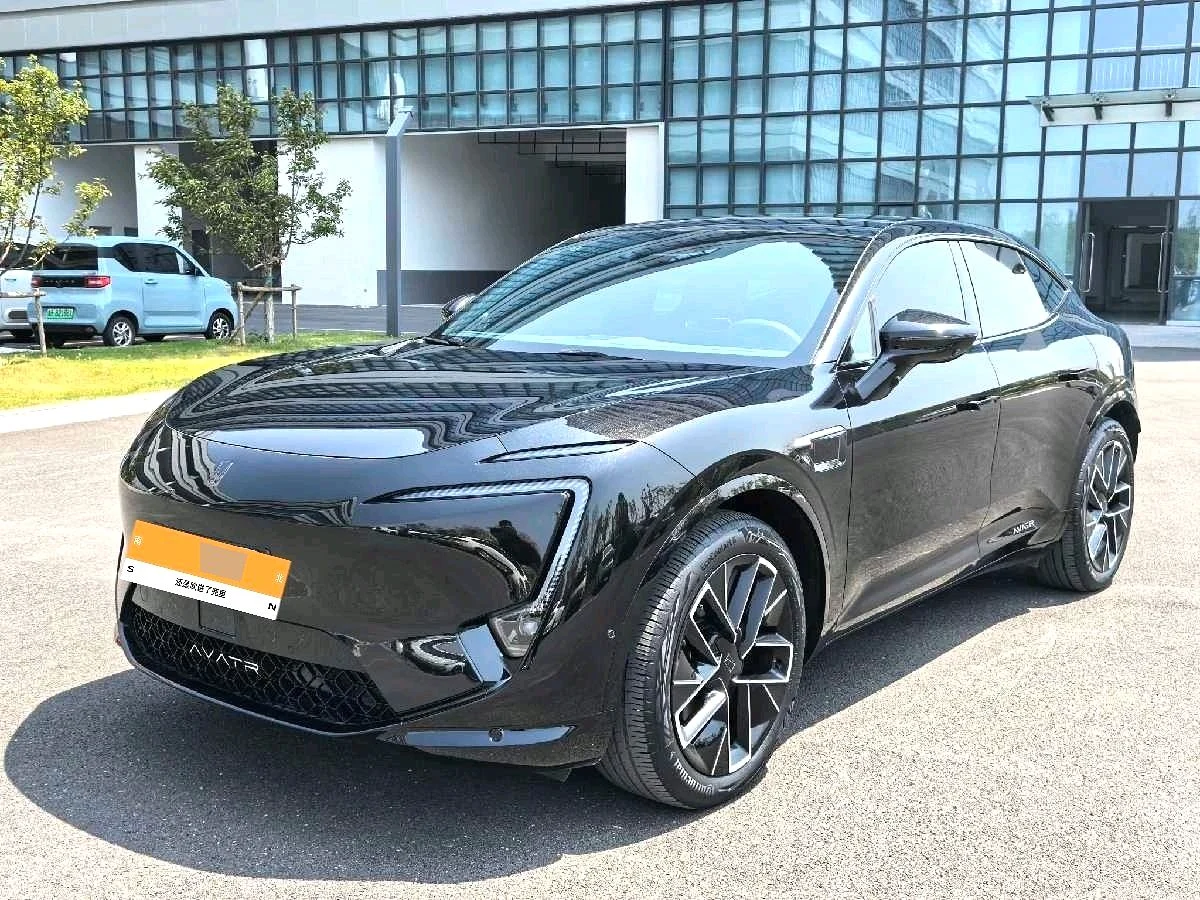
2025 Avatr 11 Max EREV RWD (310HP / Huawei ADS 3.0 Triple LiDAR) Luxury SUV
- 2025
- 7,000 km
- Automatic
- Plug-in Hybrid