









Used Car Export Scams in China 2026: 7 Red Flags to Spot

Most used car export scams from China follow the same three patterns: bait pricing, fake documentation, and deposit traps. Never pay a full deposit before an independent inspection, and always route payment through a traceable channel.
What are the most common scams?
They cluster into a handful of repeatable tricks, and once you know them they are obvious.
- Bait pricing: the advertised car does not exist, or costs 40% more once you ask
- Fake inspection reports: a PDF with a logo, no VIN, no verifiable source
- Deposit traps: pressure to wire 30% immediately to “hold” the car
- Photo theft: images lifted from another listing or another country
- Mileage resets: a high-mileage car dressed up as low-mileage
- Hidden accident damage: repaired and repainted, never disclosed
- Last-minute model swaps: a different, worse car shipped than agreed
How do you spot a fake inspection report?
Real reports name the inspecting company, list the VIN in the document body, show dated photographs with the car’s plates visible, and can be verified with the issuer. A report that is a single page with a fancy logo and no VIN is worth nothing.
Cross-check the VIN against the car in the photos. If the plate in the pictures does not match the one on the export documents, stop. That mismatch is one of the clearest signs you are dealing with a car that is not what it claims to be.
Why is bait pricing so effective?
Because it works on emotion. A Mercedes-Benz E 300 L advertised at $12,000 when the market says $22,000 is not a bargain; it is a hook. The scammer either does not have the car or intends to move you to a different, inferior unit once you are committed.
The defence is simple but boring: benchmark every price against several real listings. If a figure is more than 20% below the field, assume something is wrong until proven otherwise.
How should you pay?
Through a traceable route where you retain leverage. A letter of credit is the safest option for larger deals. A staged bank transfer tied to milestones, such as inspection, loading and bill of lading, is workable for smaller ones. Cash equivalents with no paper trail are how people lose everything.
Never send money to a personal account when the seller claims to be a company. That mismatch alone has ended many deals badly.
What should the contract contain?
VIN, model, year, mileage, colour, agreed price, delivery port, shipping date, and the specification of the car in writing. Add a clause that lets you walk away with a full refund if an independent inspection finds undisclosed accident damage or a battery state of health below an agreed threshold. Then actually appoint the inspector. A contract you never enforce is decoration.
Key Takeaways
- Bait pricing, fake reports and deposit traps are the main scam types.
- Real inspection reports list a VIN you can verify.
- Benchmark prices; anything 20% below market needs scrutiny.
- Pay by letter of credit or milestone-based bank transfer.
- Put an inspection and refund clause in the contract, then use it.
Related Vehicles
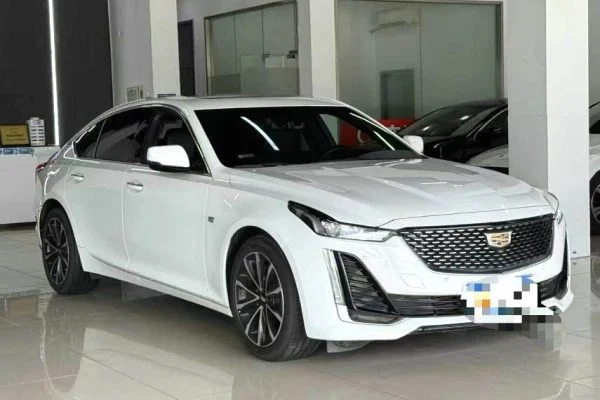
2023 Cadillac CT5 28T Premium Edition for Sale – 237 hp RWD Sport Sedan, 10-Speed AT, Export Ready
- 2023
- 60,000 km
- Automatic
- Petrol
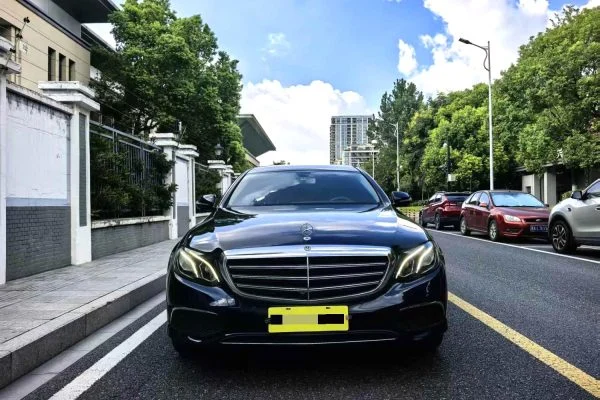
2020 Mercedes-Benz E 300 L Fashion Edition for Sale – 258 hp Executive Sedan, 9-Speed AT, Export Ready
- 2020
- 50,000 km
- Automatic
- Petrol
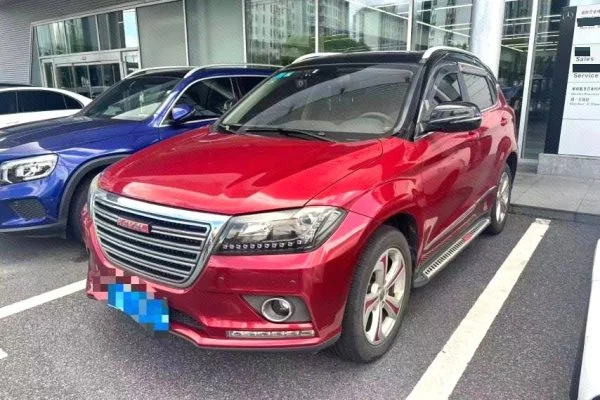
2016 Haval H2 Red Label 1.5T Premium Edition for Sale – 150 hp SUV, 6-Speed AT, Export Ready
- 2016
- 79,000 km
- Automatic
- Petrol