









Used BYD vs Used Tesla in 2026: Price and Range

Used BYD cars undercut equivalent used Teslas by $4,000–$9,000 in 2026, and in the compact class BYD now wins on range per dollar. Tesla still leads on software, charging speed and resale certainty in Western markets.
This is the comparison every overseas buyer asks about. The answer depends on where you are selling, not which badge you like.
How do used BYD and Tesla prices compare in 2026?
Take two compact EVs. A used 2025 BYD Seagull with 305 km lists at $7,200–$8,600 FOB China. A used Model 3 from 2021 with similar mileage runs $21,000–$25,000 FOB. Different classes, but they compete for the same first-time EV buyer in emerging markets.
In the mid-size EV segment, a 2023 BYD Seal sits around $18,000–$24,000 against a 2021 Model 3 Long Range at $22,000–$26,000. BYD gives you a newer car for less money.
Where does Tesla still win?
Three places. Supercharging: Tesla’s network is the only one a buyer can rely on across continents. Software: over-the-air updates reach every market, while some Chinese brands gate features by region. Resale: in Europe and North America, a used Tesla sells in days.
If your customers are in Western Europe or North America and care about resale, the extra $5,000 for a Tesla is often the right call.
Where does BYD win?
Price, range and battery chemistry. BYD’s Blade battery uses LFP cells that tolerate heat and full charging cycles better than many NCM packs, which matters in the Gulf and Africa. Seagull and Aion V Plus style vehicles deliver 300–500 km at prices Tesla cannot match.
BYD also ships more models. SUVs, sedans, MPVs, city cars. Tesla sells four. If your market wants variety, BYD fills the lot.
What about export costs for each brand?
- Ocean freight per car: $900–$2,100 depending on route, similar for both
- EU duty: 10% on CIF for both, plus local VAT
- Parts lead time: Tesla 1–3 weeks in most markets, BYD 2–6 weeks
- Service network: BYD has broader coverage in Africa and Southeast Asia
Parts access is the quiet cost difference. A Tesla part usually arrives faster, and that keeps customer cars on the road.
Key Takeaways
- Used BYD models cost $4,000–$9,000 less than comparable used Teslas.
- Tesla leads on charging network, software and resale in Western markets.
- BYD leads on price, range per dollar and LFP battery heat tolerance.
- Freight and duty are similar; parts lead time is the real difference.
- Match the brand to your market, not to your preference.
Related Vehicles
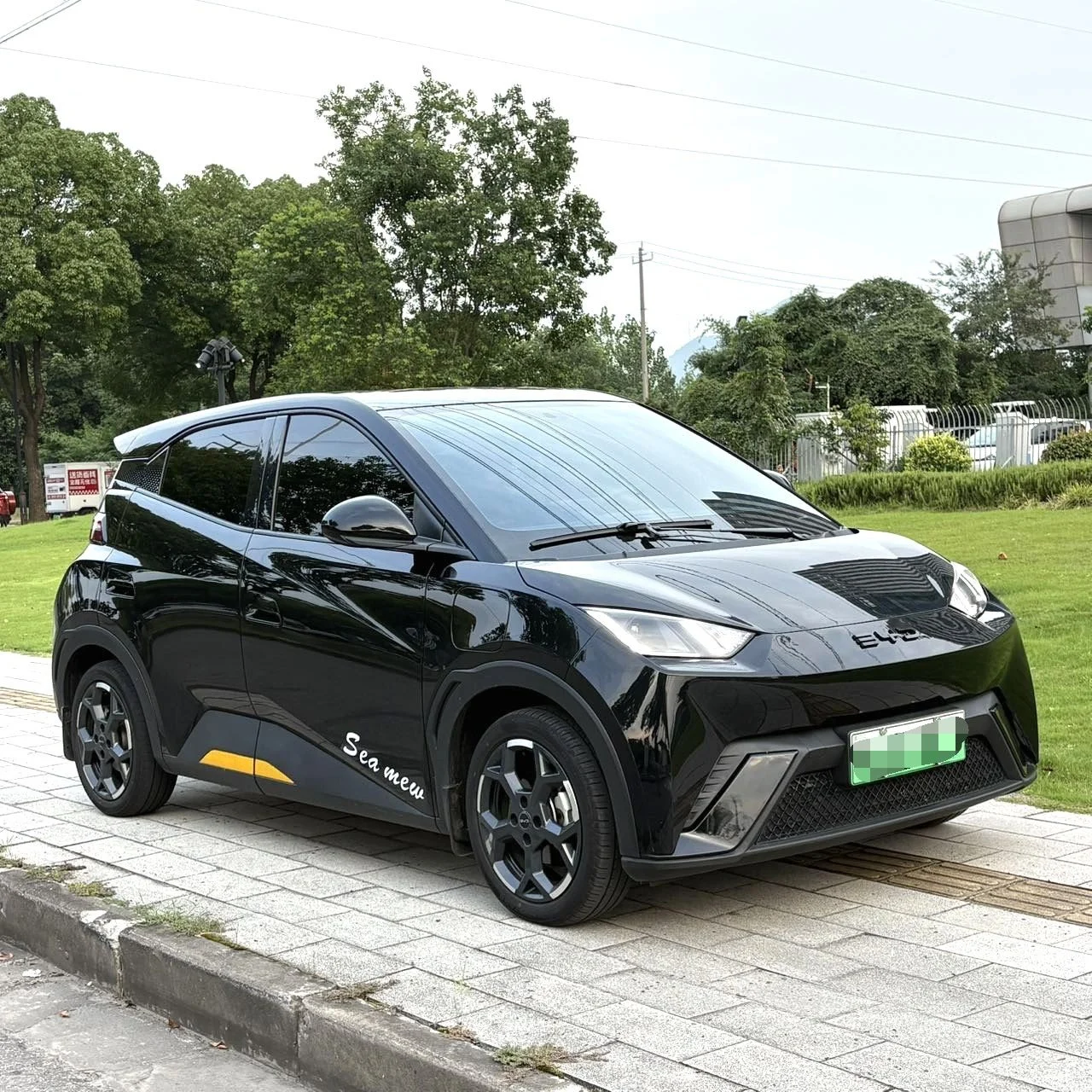
2025 BYD Seagull (Dolphin Mini) 305km Freedom Edition – Compact City EV | Ready to Ship
- 2024
- 35,000 km
- Automatic
- Electric
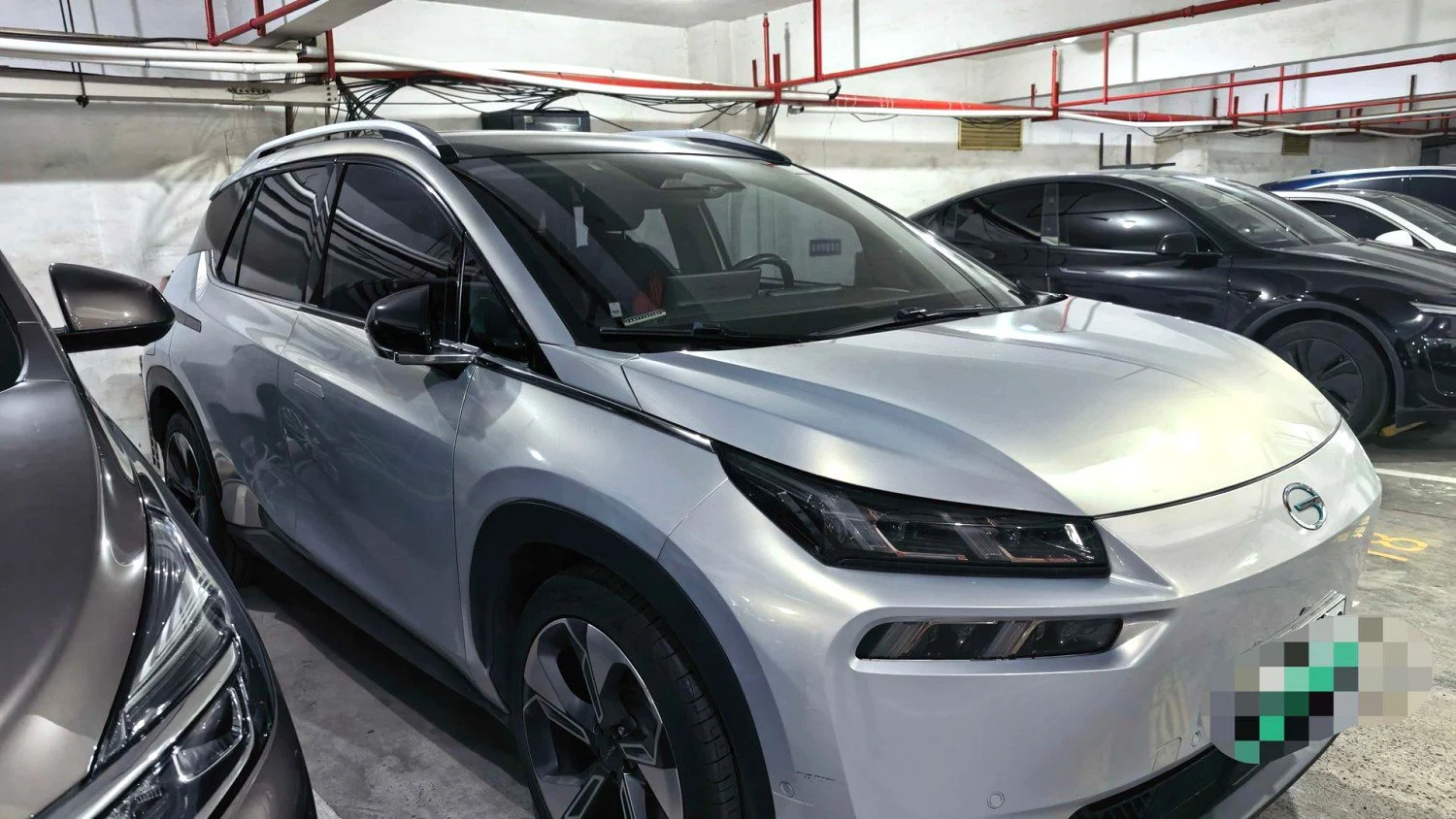
2022 GAC Aion V PLUS 80 Executive | Long Range EV – Super Value @ $28,800
- 2022
- 50,000 km
- Automatic
- Electric
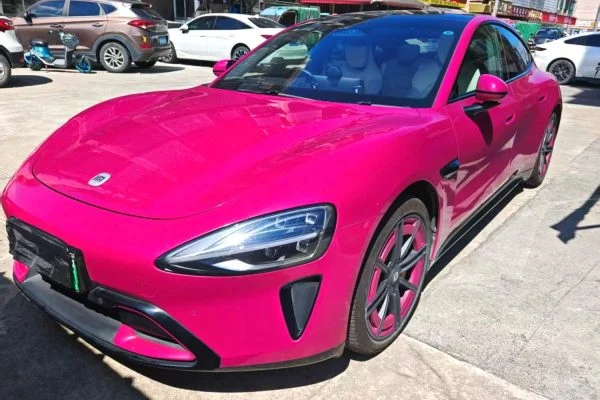
2024 Xiaomi SU7 Founder Edition RWD (299HP / 700km Range) Electric Sedan
- 2025
- 50,000 km
- Automatic
- Electric
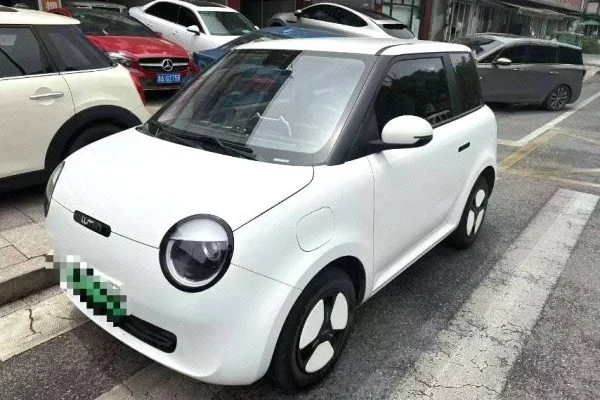
2022 Changan Lumin 301km Mitian Edition (35kW / 48HP) Mini Electric City Car
- 2022
- 18,000 km
- Automatic
- Electric