









Shipping a Used EV From China: RoRo vs Container in 2026
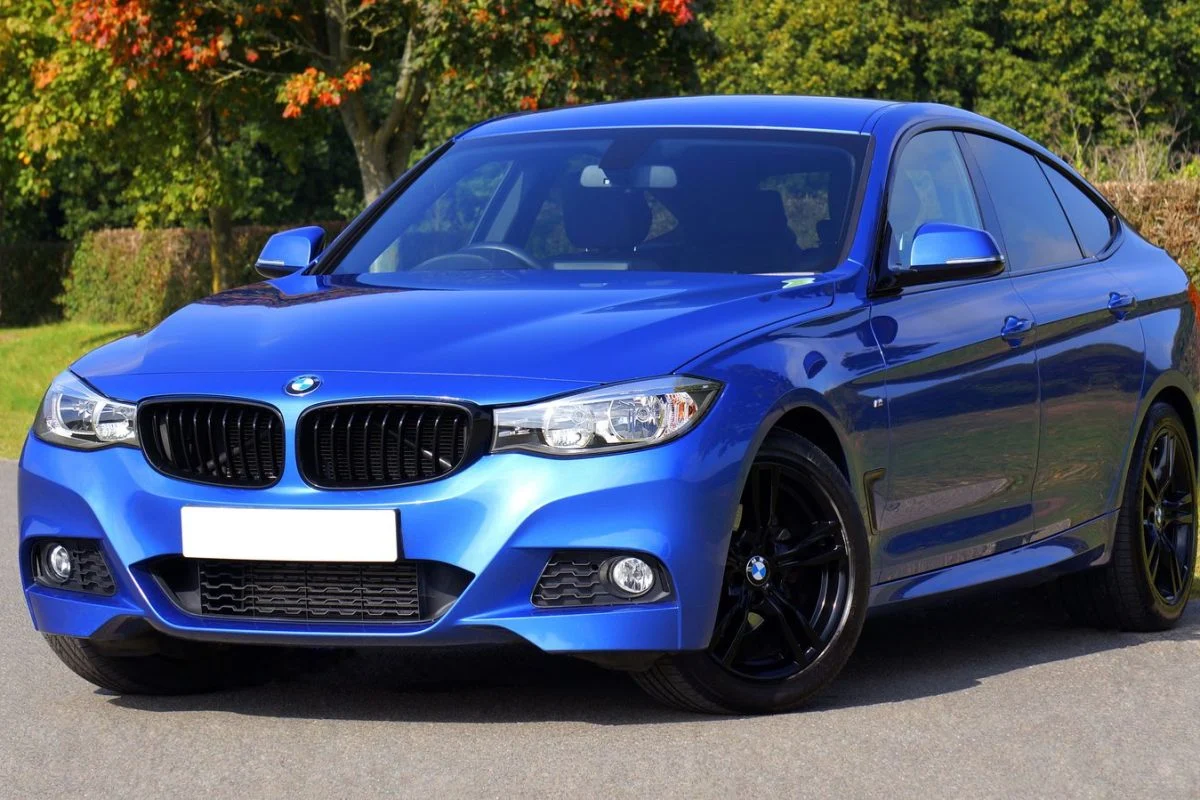
Shipping a used EV from China costs $600-$1,400 by RoRo and $1,800-$3,200 per 20ft container in 2026, with RoRo taking 18-35 days and containers 24-45 days depending on route. RoRo wins on price for a single car; containers win when you move several.
Most first-time importers assume the vehicle is the hard part. It usually is not. The shipping decision, and the paperwork behind it, is where shipments stall for weeks.
What is the difference between RoRo and container shipping?
RoRo means Roll-on/Roll-off: the car is driven aboard a car carrier and secured on deck. Container shipping loads the car into a steel box, usually with the battery charge capped and the vehicle strapped to the floor. A 40ft High Cube holds two to three cars; a 20ft holds one.
- RoRo — cheapest per unit, 18-35 days, but some carriers now refuse EV and PHEV cargo outright.
- Container — $1,800-$3,200 for a 20ft, protects paint and lets you ship parts or a second car. Required by many EV carriers.
- Break-bulk — rarely worth it for cars; ignore unless your destination port has no container terminal.
Which routes actually accept EV cargo in 2026?
Routes to the Middle East, Africa and Latin America see the highest EV volumes. Europe remains the tightest because of homologation rules rather than shipping capacity. For a 2021 BYD Tang DM PHEV heading to Jebel Ali, RoRo from Shanghai runs roughly $900-$1,300 and 22-28 days. The same car by 20ft container costs $2,100-$2,600 and takes slightly longer to load.
Note the PHEV and EV distinction. Lithium batteries are classified as dangerous goods for some carriers. Your freight forwarder needs to know whether the car is BEV or PHEV before quoting, because the surcharge differs.
What paperwork stops a used EV shipment?
Five documents cause 90% of delays. Get them right before the car reaches the port, because storage fees start at day three.
- Export licence and customs declaration from the Chinese seller.
- Certificate of origin — needed for preferential duty in several markets.
- Commercial invoice matching the declared value; undervaluing is the fastest route to a customs hold.
- MSDS for the battery plus a state-of-charge declaration, often capped at 30%.
- Bill of lading in the correct consignee name.
Dangerous-goods declarations for EVs are not optional. A 2023 GWM Tank 400 Hi4-T, a 408 hp PHEV, needs the same battery paperwork as a pure EV. Miss it and the container is rejected at origin.
RoRo or container: which should you choose?
Choose RoRo for one car to a major port where you do not care about minor paint risk. Choose a container for multiple cars, high-value EVs, or any route with limited RoRo EV capacity.
The risk with RoRo is damage and theft, both rare but not unheard of. The risk with containers is cost and end-of-route congestion. Neither is objectively better; the answer depends on volume and destination.
What shipping time should you expect?
From Shanghai or Ningbo, typical 2026 transit times are 18-28 days to Jebel Ali, 22-30 days to African east coast ports, 30-40 days to Latin America and 28-35 days to Europe. Add 5-10 days either side for inland haulage, port handling and clearance. Plan six to eight weeks door to door.
Key Takeaways
- RoRo costs $600-$1,400; a 20ft container costs $1,800-$3,200 in 2026.
- Many carriers restrict EV and PHEV RoRo cargo — confirm before booking.
- Battery MSDS and state-of-charge declarations are now standard requirements.
- Undervalued invoices trigger customs holds that cost more than the duty saved.
- Budget six to eight weeks door to door on most routes.
Related Vehicles
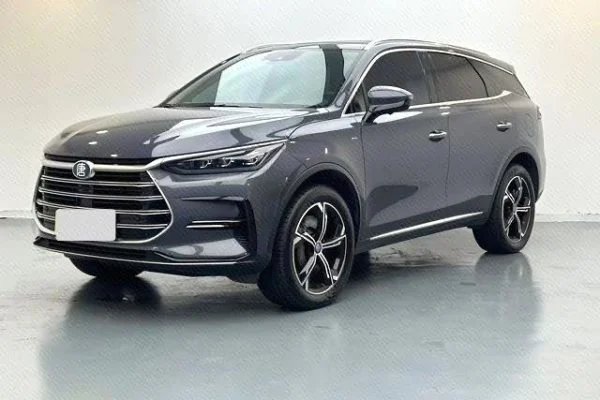
2021 BYD Tang DM 2.0T High Performance AWD (586HP / 7-Seater) PHEV SUV
- 2021
- 67,000 km
- Automatic
- Plug-in Hybrid
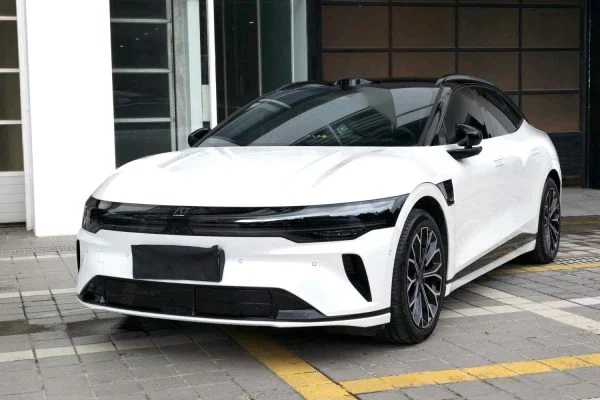
2025 Zeekr 007 GT RWD Smart Drive (422HP / 75kWh / 800V) Electric Sedan
- 2025
- 22,000 km
- Automatic
- Electric

2023 GWM Tank 400 Hi4-T 2.0T Ultra (408HP PHEV / 4WD) Off-Road Luxury SUV
- 2023
- 39,000 km
- Automatic
- Plug-in Hybrid