Shipping a Used EV From China to the Middle East in 2026

Shipping a used EV from China to the Middle East costs $1,200–$2,600 per car and takes 18 to 35 days from port to port, depending on the route and whether you use RoRo or a shared container. The paperwork matters more than the freight rate.
Jebel Ali in the UAE handles the largest volume of Chinese used cars entering the Gulf. Jordan, Saudi Arabia, Oman and Kuwait all take meaningful numbers too. Each has its own rules on vehicle age and inspection, and getting them wrong at the origin port gets expensive.
How long does shipping actually take?
From Shanghai, Ningbo or Guangzhou to Jebel Ali, expect 18–24 days of sailing time. To Jeddah, add about a week. Add 5–10 days on each end for loading, port formalities and customs release. Buyers who plan for a 30-day total are rarely disappointed; buyers who plan for 15 days always are.
RoRo or container — which should you choose?
RoRo is cheaper per unit and simpler to arrange, but you cannot load spare parts, and the schedule is fixed. A shared 40-foot container costs more per car but lets you ship a second vehicle or parts alongside, and the car stays sealed. For a single compact EV, RoRo usually wins on cost. For a two-car order, price the container.
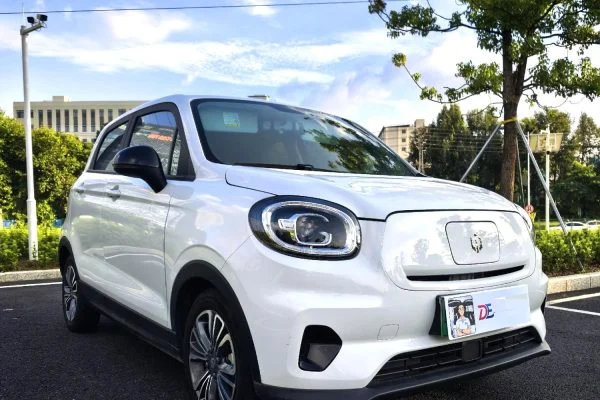
The 2024 Leapmotor T03 403 Comfort fits comfortably in either mode. A larger SUV like the Toyota Corolla Cross still fits standard equipment, though oversized vehicles can trigger surcharges.
Which documents clear Gulf customs?
- Commercial invoice with FOB value stated clearly
- Bill of Lading or Sea Waybill
- Certificate of Origin, usually legalised
- Export licence and cancellation of registration in China
- Vehicle inspection certificate from the origin port
- Battery declaration for electrified vehicles
That battery declaration is the item people forget. Lithium batteries are classified as dangerous goods, and carriers require a proper declaration and, for some routes, an MSDS. Miss it and your car sits at the port.
What are the real customs and age restrictions?
Rules vary by country and change with little notice. As a working guide for 2026: the UAE is comparatively open and allows a wide range of used vehicles; Saudi Arabia restricts older imports and enforces inspection; Jordan and Egypt have their own age windows. Always confirm the current rule with the destination clearing agent before purchase, because a car that cannot be registered is worth nothing to your buyer.
Where do buyers get burned?
Two places. First, undervaluing the invoice to cut duty — Gulf customs authorities assess value themselves and penalties are real. Second, buying a car with no cold-weather testing or heat data. Gulf heat is brutal on batteries and aircon. A BAIC BJEV EU300 rated for 300 km CLTC will lose range fast in 45°C traffic with aircon running. Tell your buyer that before they complain.
Key Takeaways
- Port-to-port transit from China to the Gulf runs 18–24 days to Jebel Ali.
- Total shipping cost per car is $1,200–$2,600 depending on route and mode.
- A battery declaration is required; missing it causes port delays.
- Verify destination age and inspection rules before you buy.