









Shipping Used Chinese EVs to Africa and Latin America 2026
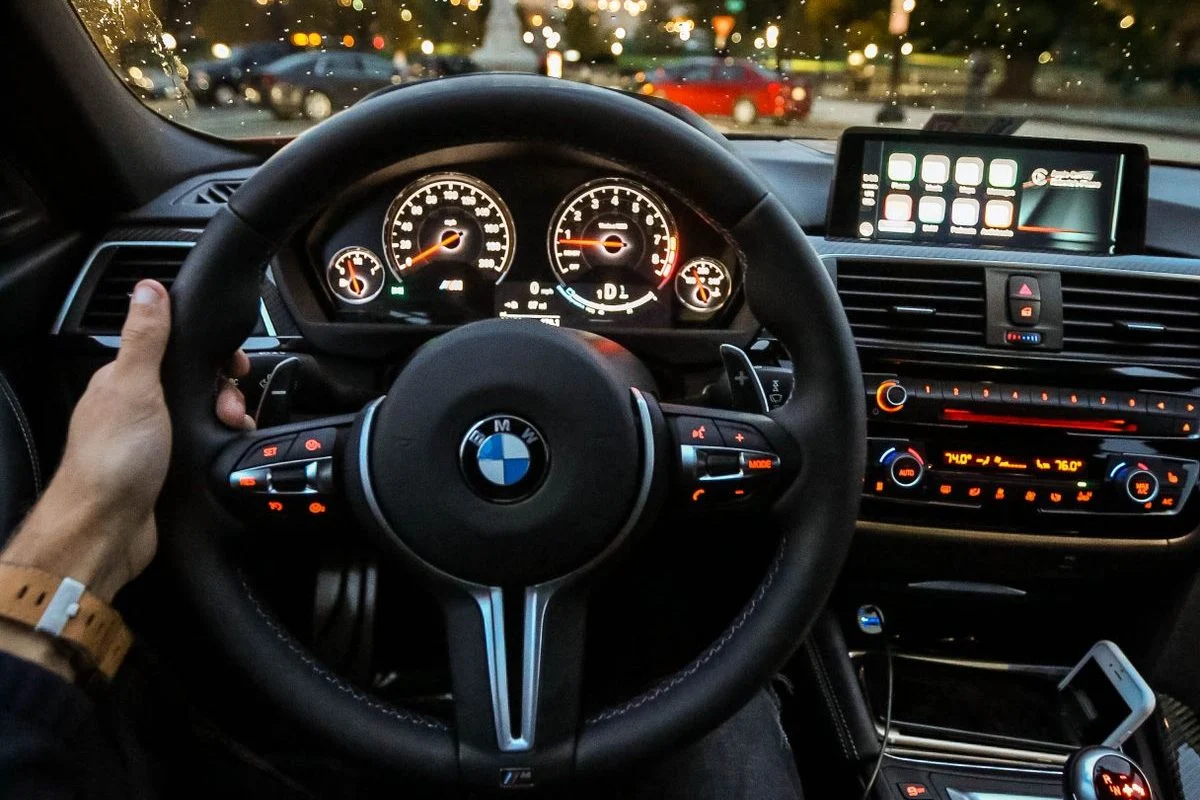
A used Chinese EV reaches Lagos in 32-45 days and Santos in 30-40 days by container in 2026. Expect $1,400-$2,900 in freight plus destination duty that ranges from 5% in parts of West Africa to 35% in Brazil.
Africa and Latin America are where Chinese used EVs move fastest right now. Buyers there care less about brand prestige and more about parts availability and price. That favours simple cars with big battery packs, not luxury SUVs.
How long does shipping actually take?
Port-to-port transit times in 2026, from Shanghai or Ningbo:
- Lagos (Apapa): 32-45 days
- Mombasa: 28-38 days
- Durban: 30-42 days
- Santos, Brazil: 30-40 days
- Callao, Peru: 32-42 days
Add 7-14 days for inland clearing. Rollovers happen — peak season out of Asia regularly bumps bookings by a week.
What paperwork do buyers forget?
Three documents cause most delays. First, a valid export declaration from China; without it, ports reject the entry. Second, the destination needs a pre-shipment inspection in several countries — Nigeria runs a SONCAP-style scheme and Kenya requires a KEBS PVoC certificate of conformity. Third, the vehicle must be under a set age or emission band in some markets; Kenya caps used imports at eight years.
Used EVs add a fourth item: a battery safety declaration. Carriers increasingly refuse lithium packs without an MSDS and, for damaged units, a UN38.3 test summary.
Which cars make sense for these markets?
Simple, high-ground-clearance or high-value cars do best. A 2019 BAIC BJEV EU300 is cheap and mechanically plain. The 2017 Roewe eRX5 PHEV punches above its weight where charging is thin, and a 2016 Haval H2 remains a rugged, serviceable petrol option.
Where does the money actually go?
Take a $9,000 car into Kenya. Freight $1,300, insurance $180, PVoC inspection $250, import duty 25%, excise and VAT on top, port and clearing $600. You clear $15,000 before the car touches your yard. Brazil is harsher: a 35% duty band plus state taxes can double the landed price of a cheap EV. Model your numbers before you order, not after.
What is the biggest risk?
Parts. A Chinese EV with a broken inverter in Durban can sit for three months waiting on a part. Pick models with regional parts stock, or buy two or three units so one becomes a spares donor. Freight consolidation also matters; a single car in its own container eats your margin.
Key Takeaways
- Transit to Africa and Latin America runs 28-45 days by container in 2026.
- Freight alone is $1,300-$2,900 depending on port.
- Kenya (PVoC) and Nigeria (SONCAP-style) require pre-shipment conformity checks.
- Simple models with regional parts support resell best; budget for spares.
Related Vehicles
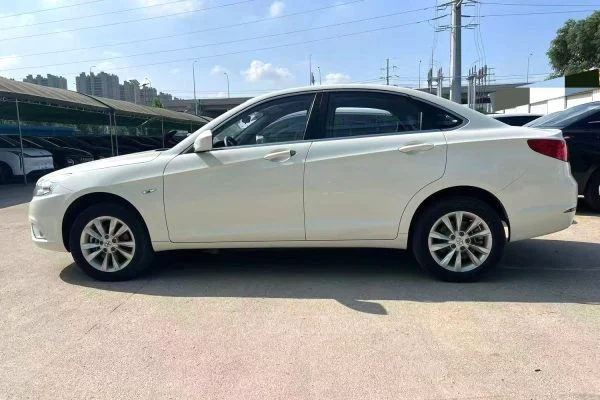
2019 BAIC BJEV EU300 EV for Sale – 136 hp Electric Sedan, 300 km Range, Export Ready
- 2021
- 51,000 km
- Automatic
- Electric
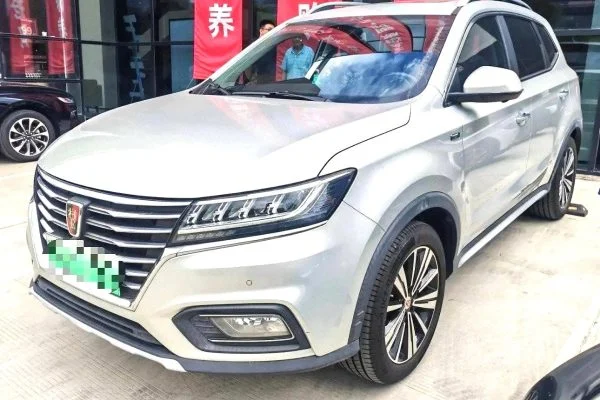
2017 Roewe eRX5 1.5T PHEV Flagship Edition for Sale – 704 N·m Torque, 60 km EV Range, Export Ready
- 2018
- 23,000 km
- Automatic
- Plug-in Hybrid
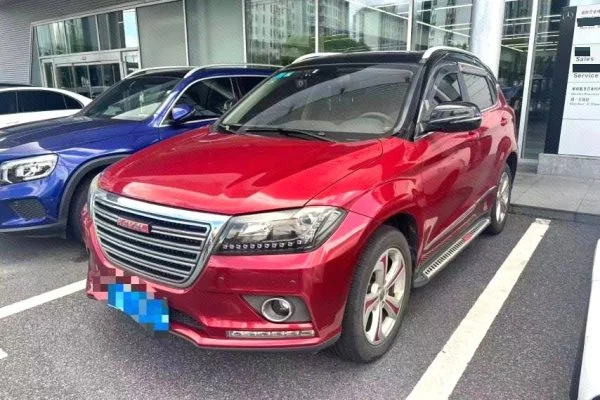
2016 Haval H2 Red Label 1.5T Premium Edition for Sale – 150 hp SUV, 6-Speed AT, Export Ready
- 2016
- 79,000 km
- Automatic
- Petrol
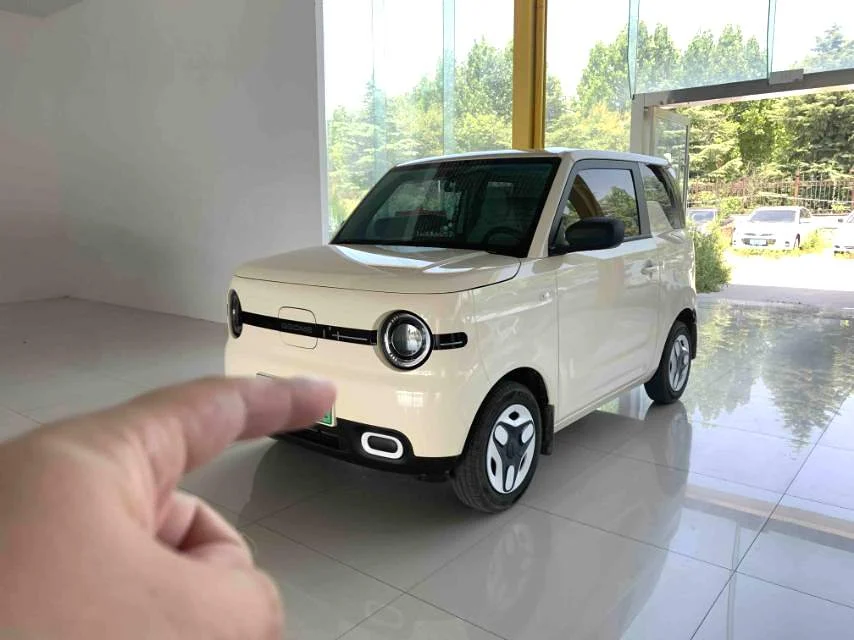
2025 Geely Panda Mini EV (210km Range / 22kW Fast Charge) Electric City Car
- 2025
- 9,000 km
- Automatic
- Electric